Before ATIU was ATIU.
The untold origin story of the company that reinvented glass decoration.
For two years, nobody at ATIU was allowed to say the word sublimation.
Not in a meeting. Not on a call. Not in front of a client. The word was radioactive. It meant expensive. It meant defective. It meant a bottle clamped to a manual frame, one at a time, with a scrap rate of 10 to 20 percent that didn’t shrink when you scaled.
The technology ATIU now owns as a category, ATIU once had to hide.
This is how that changed.
The accidental meeting
Verona, 2019. A workshop with five employees. A single customer. And a technology nobody else in Europe could match.
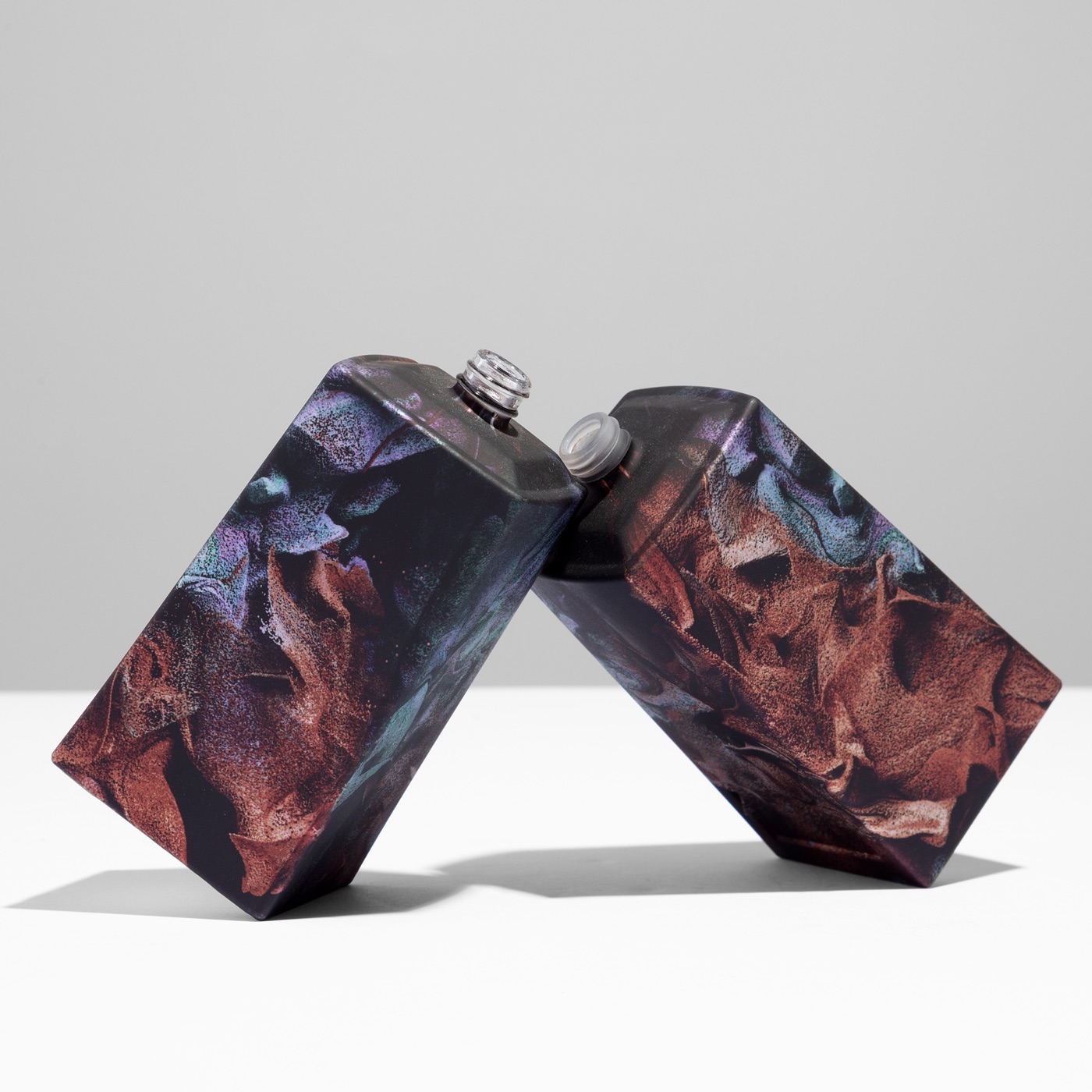
A way to put full-colour art onto glass. Quiet. Precise. Obsessive. The kind of work a handful of luxury perfumery brands relied on without ever saying it out loud.
And stayed there.
Until one question changed everything:
Why is this only in perfumery?
The insight that nobody else saw
Perfumery was a ceiling.
The opportunity was sideways. One category over. A market a hundred times bigger.
Spirits.
Not because spirits was glamorous. Because spirits had two problems nobody wanted to solve.
At the mid-market: plastic shrink sleeves wrapped around millions of bottles every year. Cheap to apply. Impossible to recycle cleanly. Increasingly unacceptable.
At the top: premium bottles built from three, four, five decoration passes stacked on top of each other. Coating. Screen print. Pad print. Gold foil. Hot stamping. Each step added cost, time, risk — and still couldn’t deliver what a creative director had in mind.
Two questions nobody could answer:
How do we get rid of the plastic?
How do we finally make something nobody has seen before — without stacking five techniques to get there?
Nobody had an answer to either.
What existed in Verona was the seed. What ATIU would become was the platform.
A way to scale without losing what made the work beautiful. Digital printing. Water-based inks. Sample identical to production. Economics that could compete in spirits — not just in niche perfumery.
ATIU was about to become possible.
“That’s impossible.”
The same answer came from every direction.
You can’t sublimate a spirits bottle at scale. You can’t hold colour across a full body. You can’t go from prototype to production without quality collapsing. It had been tried. It had not worked.
And that was true — of how it had always been done.
But ATIU wasn’t building that. ATIU was building something the word sublimation could no longer describe. A different architecture, a different chemistry, a different economy.
So we stopped saying the word.
For two full years, inside the company, the word was off the table. No meetings. No emails. No decks. The technology was real. The vocabulary was a liability.
We weren’t competing with sublimation. We were starting from zero.
Building the machine that shouldn’t have existed
The first ATIU line ran at 300 bottles per hour.
Water-based inks. Digital printing. An entirely new application process, designed from the ground up for glass, for spirits, for scale.
One detail mattered more than all the others.
For the first time in glass decoration, the sample you approved was exactly what came off the production line. No translation. No degradation. No quiet compromise between the proof and the shelf.
The prototype was the production. The production was the prototype.
That had never existed. Not once.
The first believers
The first believers came from places people wouldn’t have predicted. A famous American beer brand. A celebrated Scottish heritage label. Spirits buyers who held the first samples, ran their own tests, and knew what they were looking at.
2020 — The impossible mission
By 2020, the new system was ready.
The ATIU team had one job. The impossible one. Build a customer network from scratch for a technology nobody in the industry had ever seen perform at this level.
Not seen performing differently. Never seen at all.
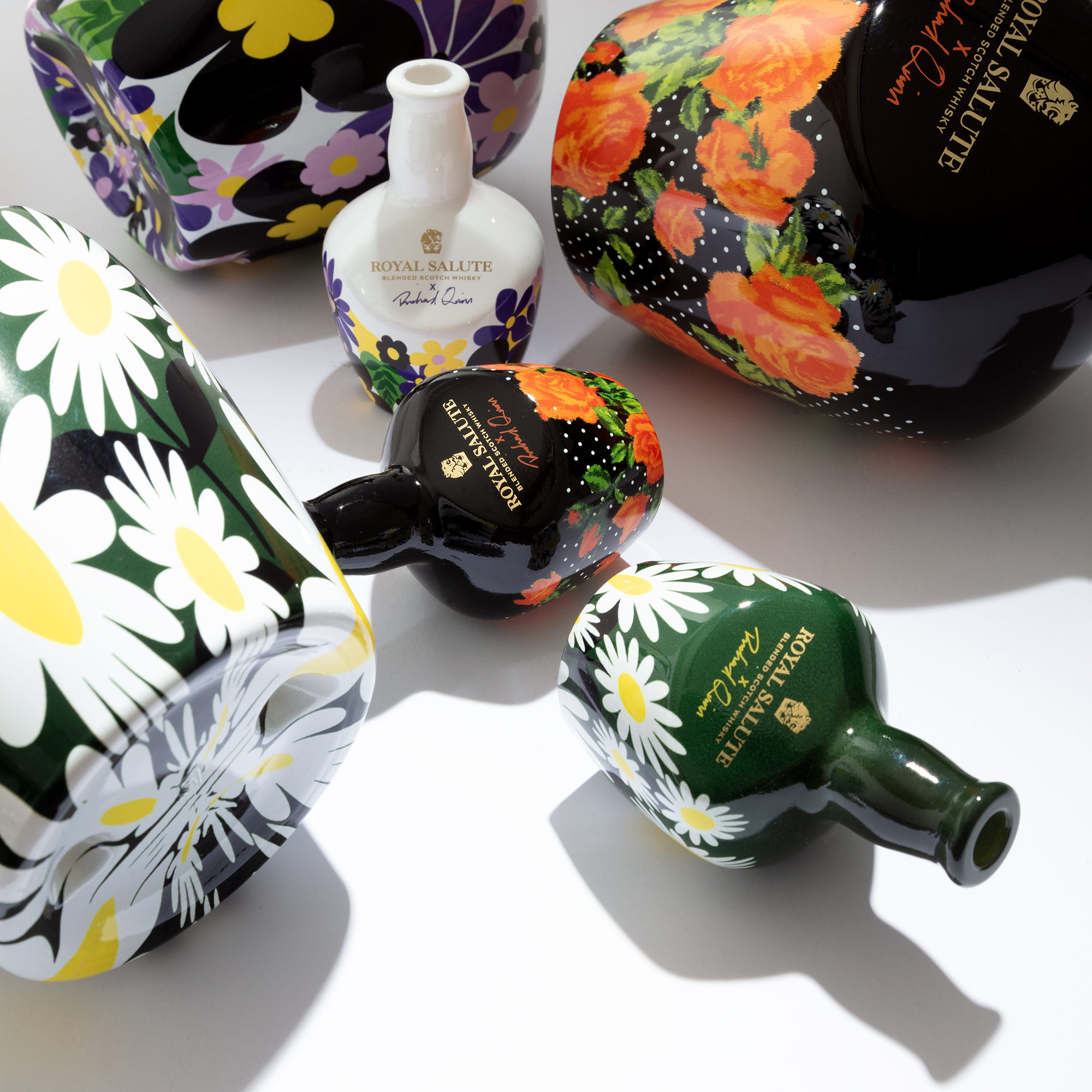
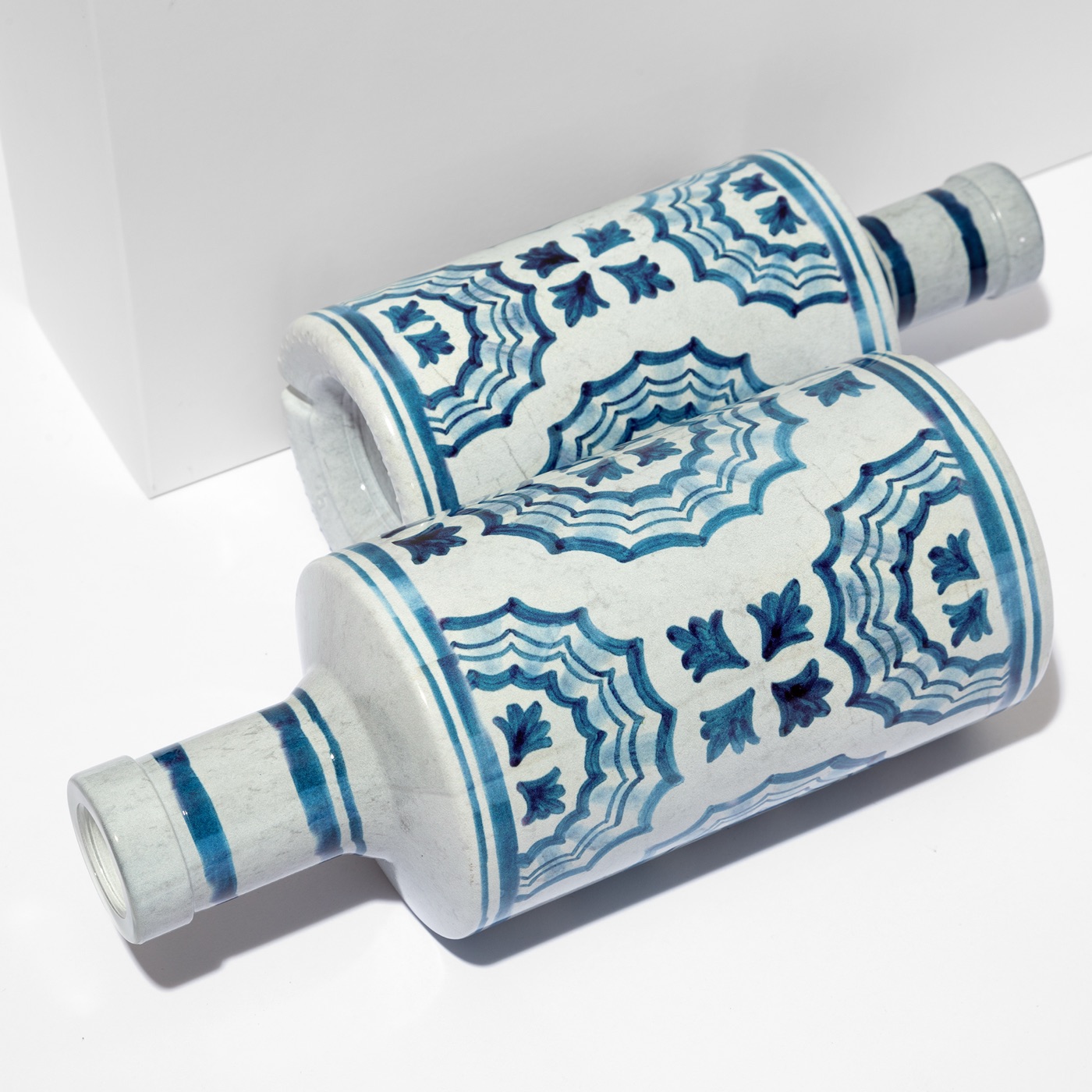
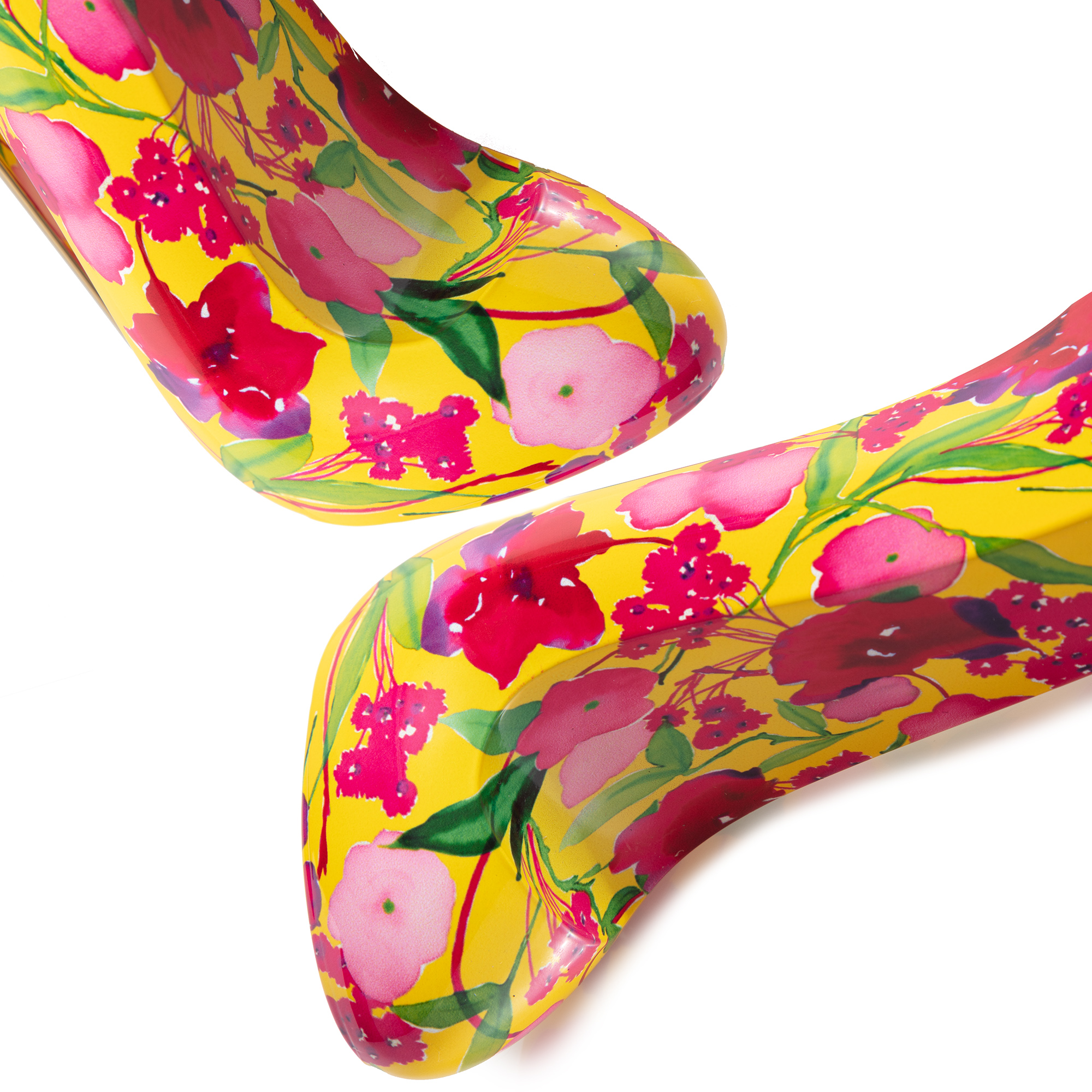
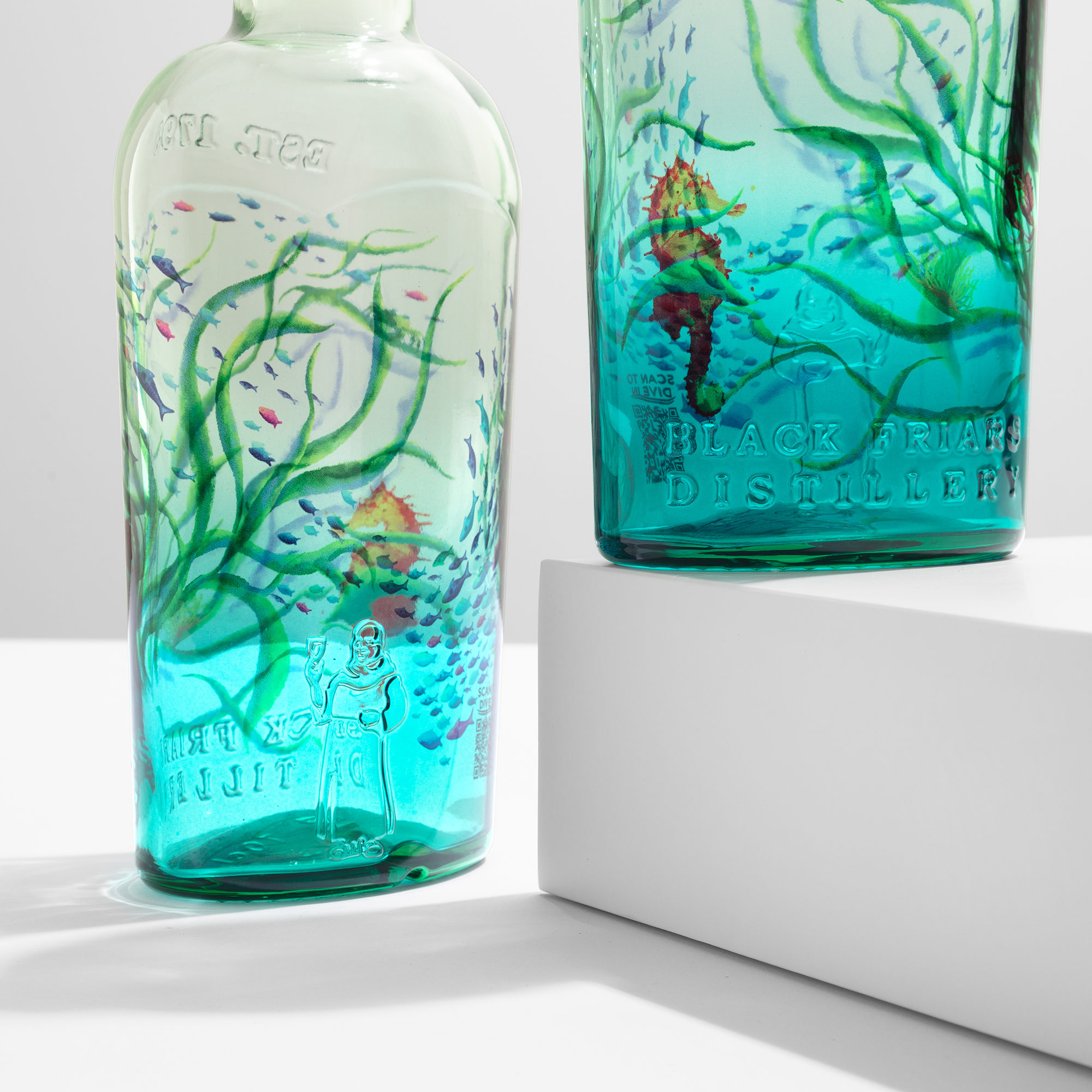
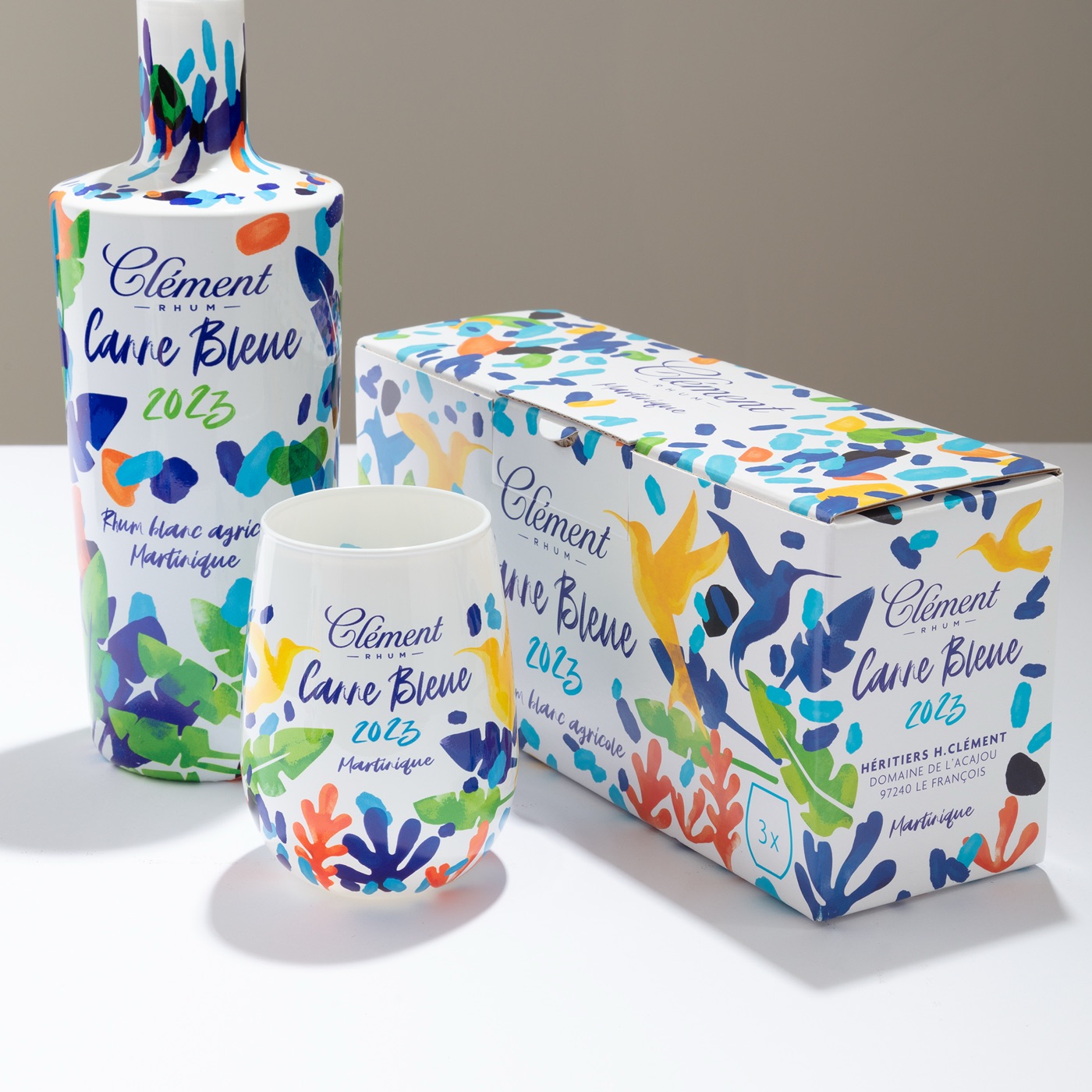
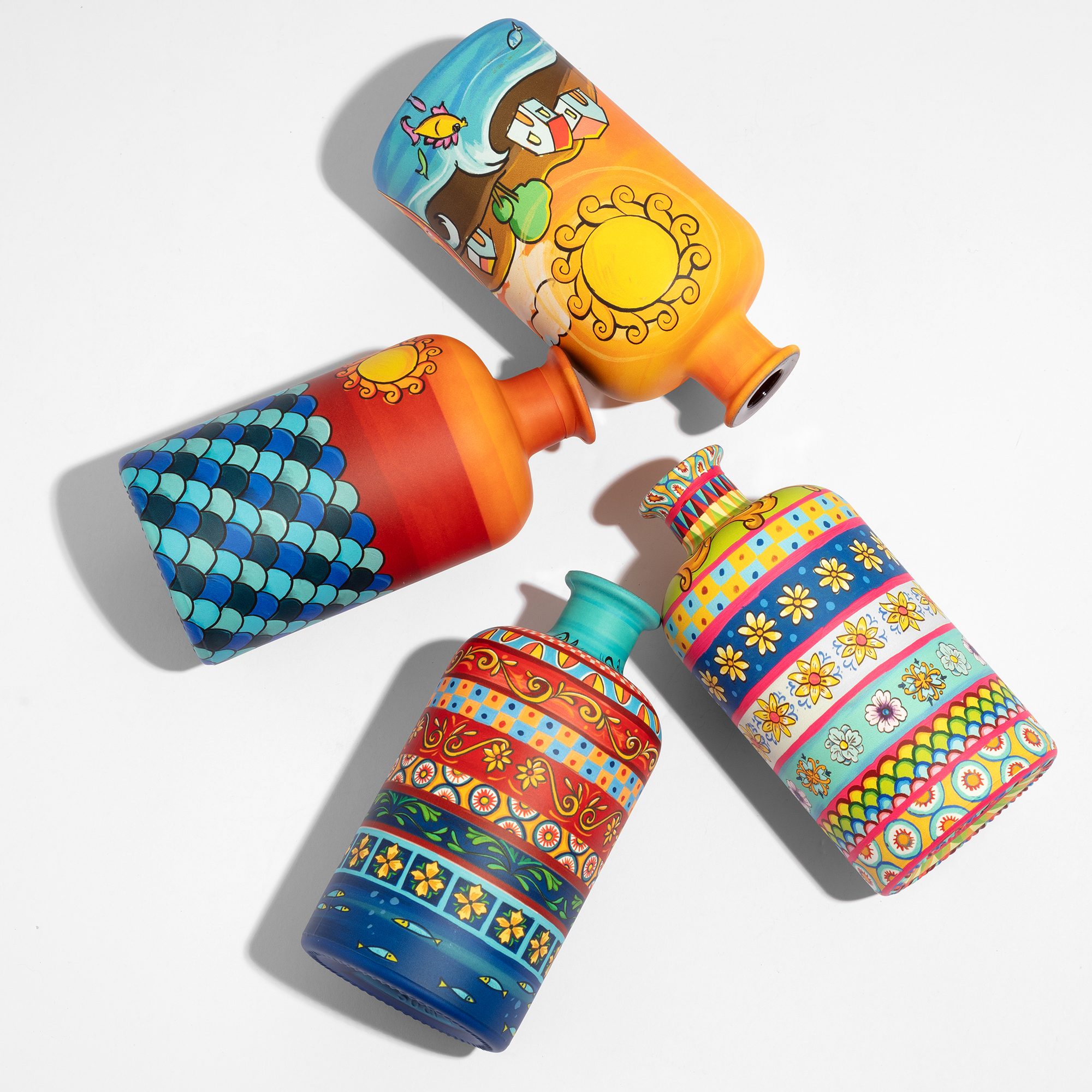
The colour depth. The seamless full-body artwork. The HD fidelity on curves that pad printing would break on. The sustainability story that didn’t need a footnote. The ability to change a design on Monday and have it running on the line by Friday.
Every first meeting was a revelation. Every demo rewrote what the person in the room thought was possible on glass.
The early believers — a small group of innovators who said yes before the rest of the industry was ready — opened the door for every client who came after.
2022 — The round that changed the scale
By 2022, ATIU had outgrown its first machine. Its first plant. And the patience of a spirits industry that now wanted what ATIU had — at volume.
The first funding round closed. A single mandate: protect the IP, and engineer the next generation of the platform.
The result: a new line running at 4,000 bottles per hour.
Not 300. Four thousand.
Fast enough for global spirits. Precise enough for luxury perfumery. Economical enough to become a new standard.
Who ATIU is for
ATIU makes immediate sense to the people who refuse to accept limits.
The creative directors who don’t resign themselves to “this is how glass works”. The brand teams who can’t stand “we’ve always done it this way”. The packaging innovators who look at a bottle and want the same freedom they already have on a box, on a screen, on a fabric.
For them, ATIU is obvious. Of course an artwork can travel across every curve. Of course colour can be full. Of course the sample can equal the production. Of course premium shouldn’t need five techniques stacked on top of each other to feel like one idea.
For everyone else, ATIU takes a moment. The habits of the last thirty years — plates, tooling, colour separations, setup fees, geometry limits — are still the reference point. ATIU doesn’t sit inside those habits. The first reaction is usually a long pause.
Still just getting started
This is ATIU today. Two plants. A team that has decorated bottles for some of the most demanding brands in spirits and perfumery. A platform built to do what nobody else in the industry was willing to build.
The work goes on. Every new brief. Every new brand. Every bottle that wasn’t supposed to be possible.
Come see the work. Better yet — come hold a bottle.
Explore our technology or request a sample for your project.