How to Choose a Glass Decoration Partner
Not all decorators are the same
Most glass decorators can print on a cylinder. Hand them a straight-walled bottle, a flat label area, a simple one-colour design — and the result will be acceptable. That is the baseline. It is not the differentiator.
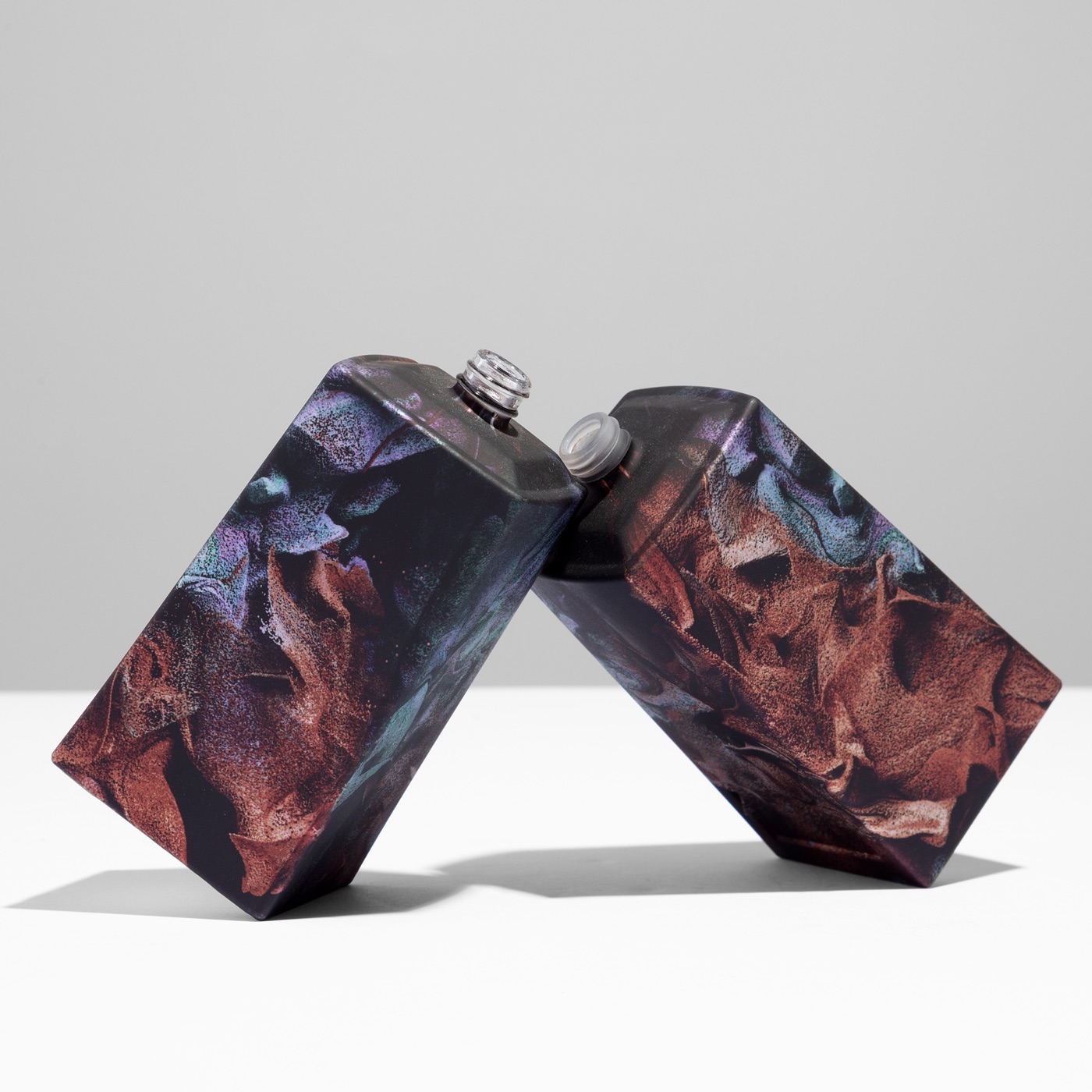
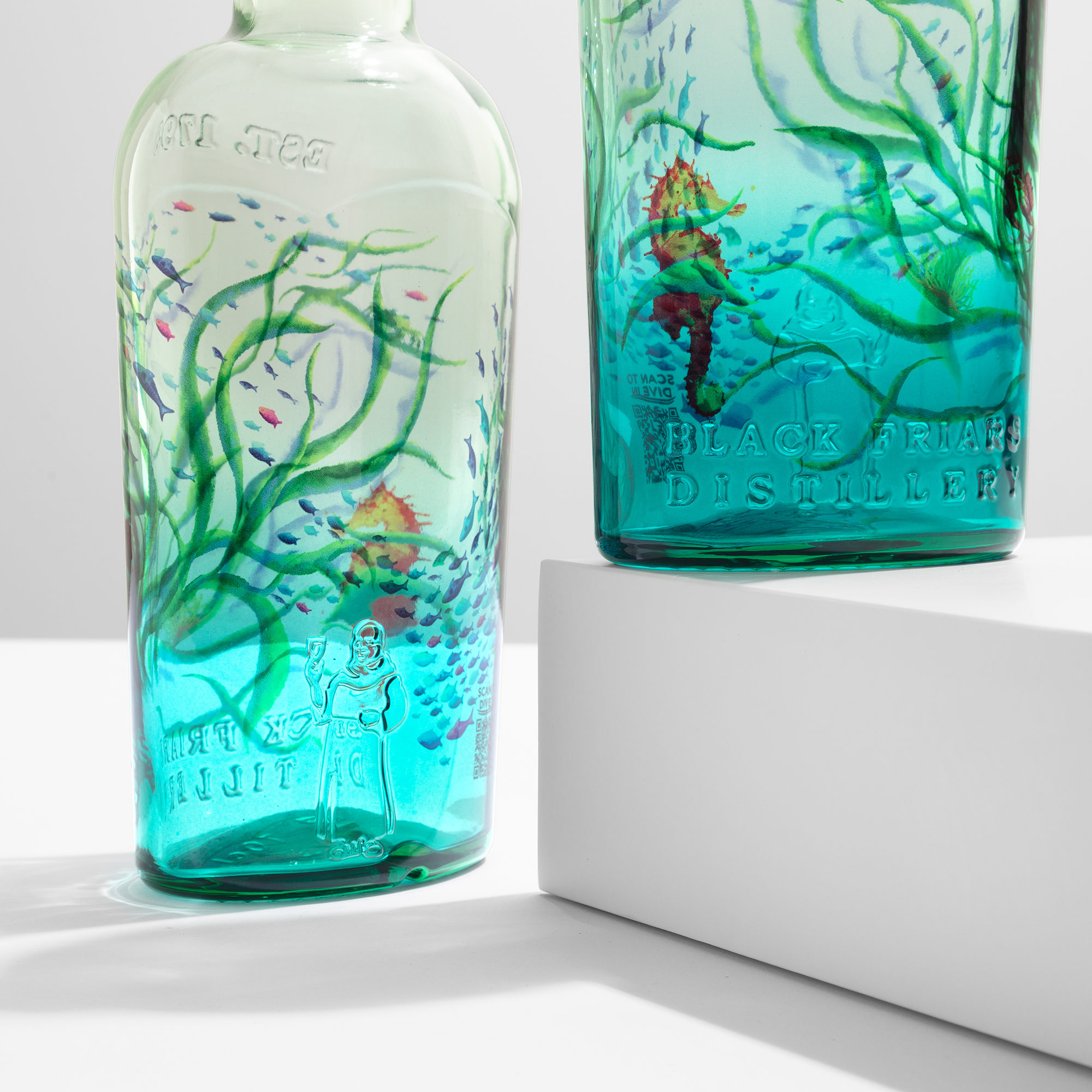
The decision that matters is what happens when the brief gets difficult. Complex flacons with concave shoulders. Recessed panels. Caps in zamac or aluminium that need to match the bottle. Graduated primer effects that shift from transparent to opaque across the same surface. Multi-SKU runs where five designs share one production slot.
Your choice of decoration partner determines whether the packaging vision you approved in a PDF survives contact with a production line. Choose well, and the finished product exceeds the render. Choose poorly, and you spend months managing compromises.
Seven things to verify before you commit
1. Substrate range
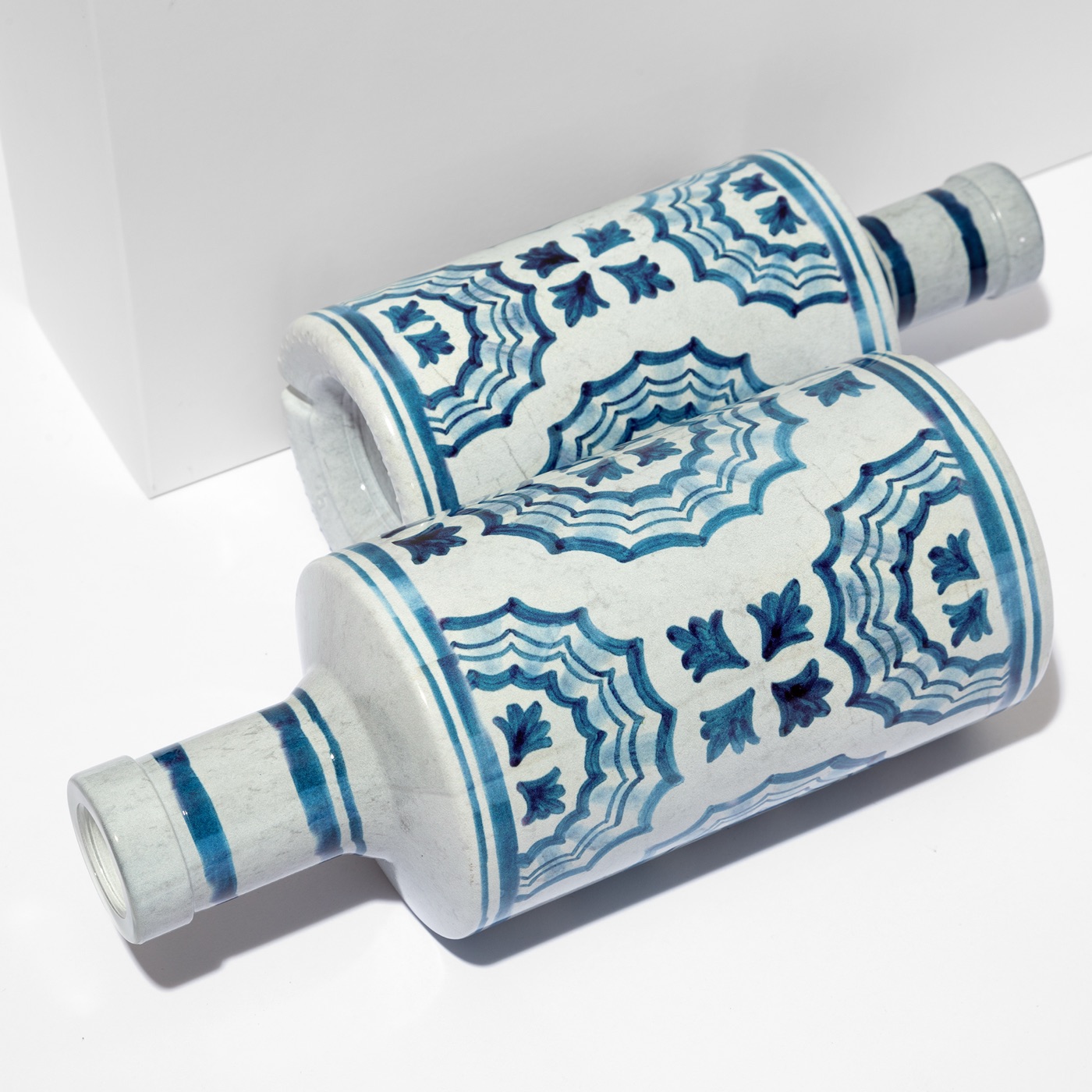
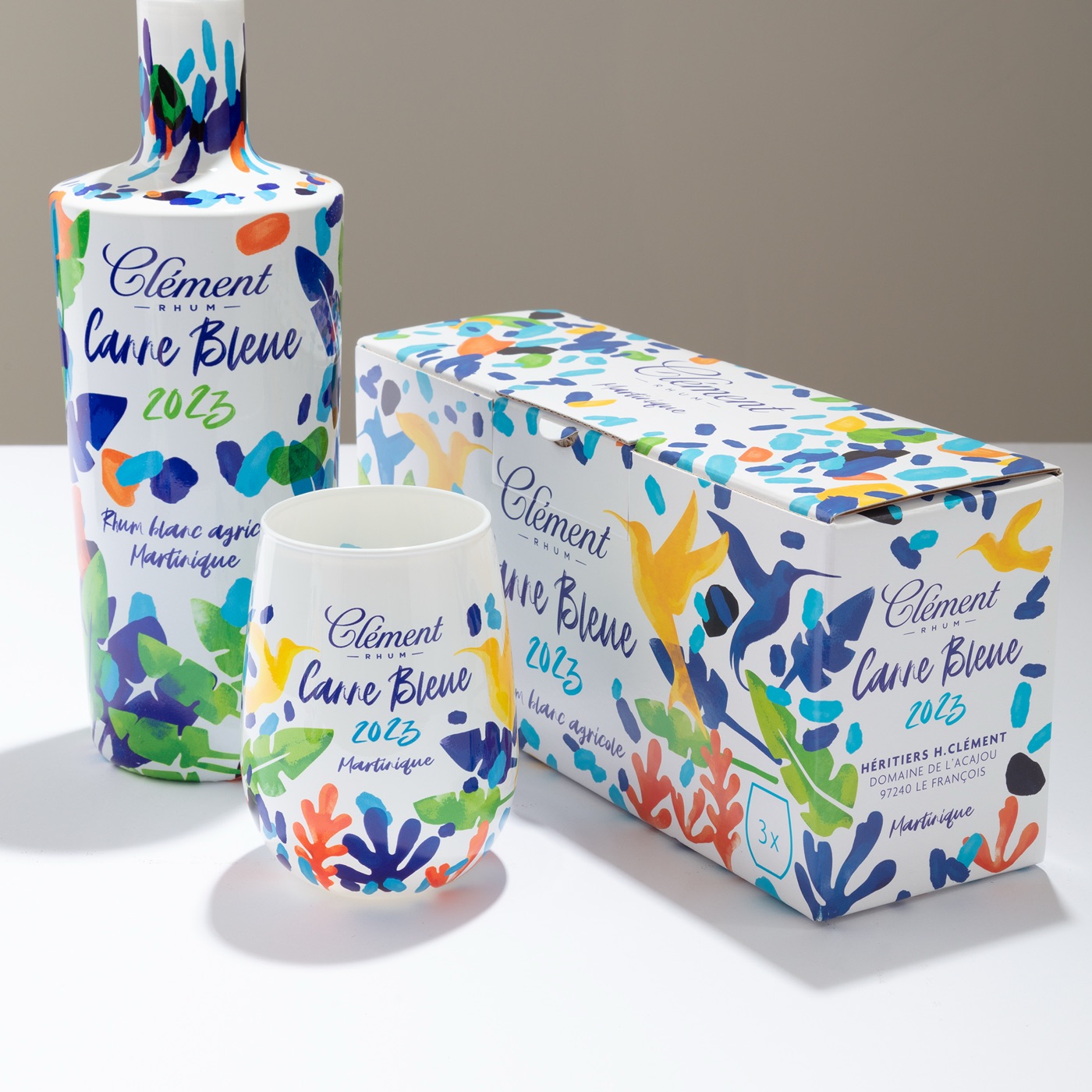
Does the partner decorate glass only — or also aluminium, zamac and ceramic? Premium packaging rarely involves a single material. A perfume flacon may be glass; its cap may be zamac; its travel case may be aluminium. If one partner can decorate all three on the same line, you eliminate coordination risk, colour-matching issues and multiple supply chains.
2. Geometry capability
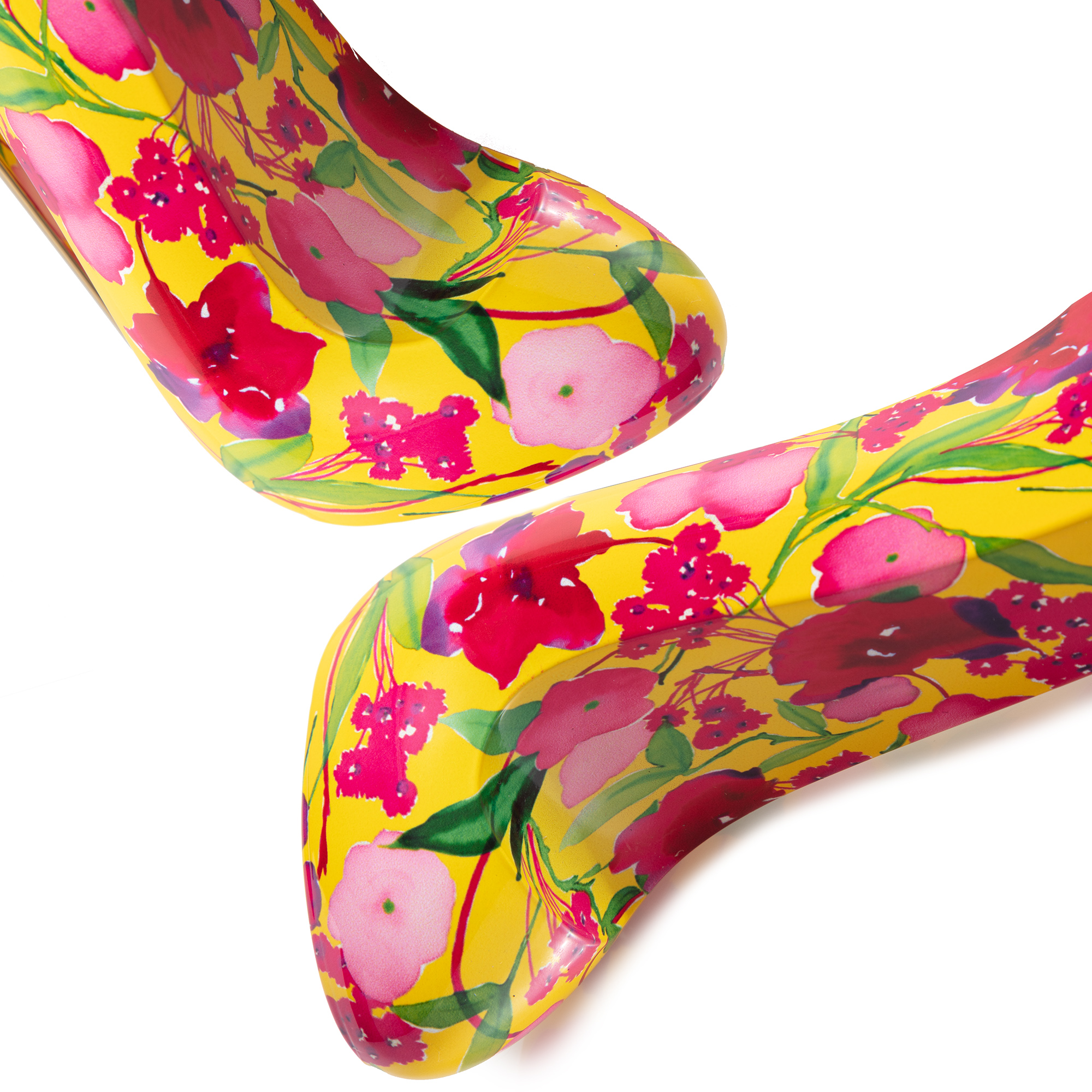
Ask for samples on non-cylindrical forms. Anyone can print on a cylinder. Complex flacons, angular shoulders, recessed areas, tapered necks — that is where most decorators fail. Request examples on the most challenging geometry in their portfolio and evaluate their capabilities against your own product range.
3. Primer system
The primer is everything. Inks bond with the primer coating, not directly with the glass. Mechanical and chemical resistance, tactile finish, opacity, metallic effects, ceramic-look finishes — all of these depend on the primer formulation. Ask how many base primers the partner offers. Ask whether they can combine them. Ask whether they can graduate opacity across a single surface. A deep primer library is the clearest indicator of technical maturity.
4. Prototype fidelity
Does the sample run on the same production line as the full order? If the prototype is produced on a lab machine and the production run on an industrial line, you are approving something that will not ship. Insist on production-line samples. The best partners make this standard practice.
5. Volume flexibility
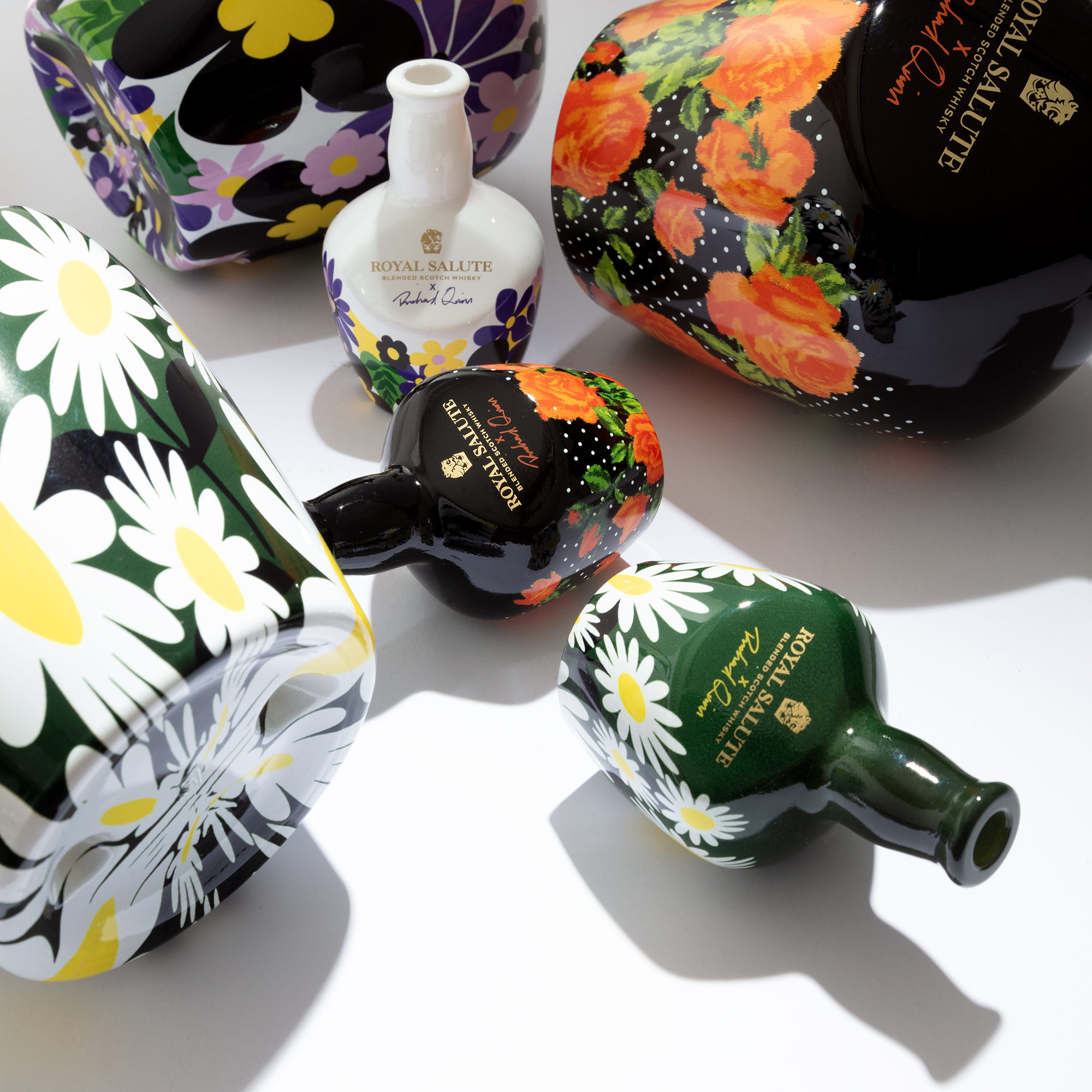
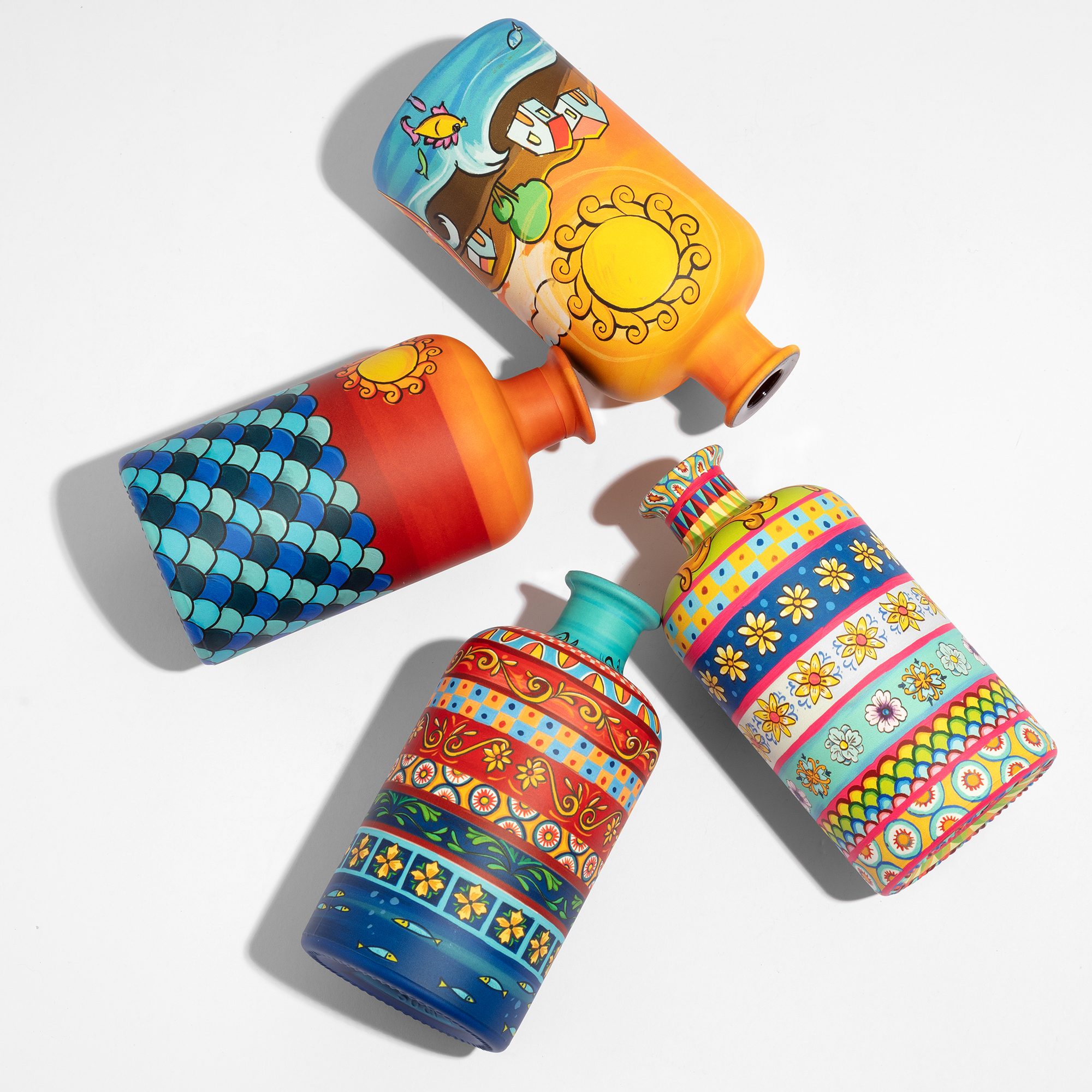
Can the partner handle a 5,000-unit limited edition and a 30-million-piece annual programme? On the same base bottle? With multiple SKUs in the same run? Digital sublimation makes this technically possible — but not every decorator has the operational discipline to execute it. Ask for references at both ends of the volume spectrum.
6. Sustainability credentials
ISO 9001 is baseline. It tells you the quality system exists. It does not tell you about environmental performance. Ask about EcoVadis rating. Ask about Scope 1, 2 and 3 CO₂ reporting. Ask about ink composition and energy consumption per unit. Ask whether they publish an ESG report. Procurement teams at groups like Pernod Ricard, PUIG and LVMH increasingly require this documentation at supplier qualification stage.
7. Technical support
Will they help prepare your file? Advise on primer selection? Tell you honestly when something will not work before it reaches the production line? The best partners prevent problems. They review artwork for printability, recommend primer combinations for specific effects, and flag risks before you commit to a direction that cannot be manufactured. This is where the difference between a vendor and a partner becomes tangible.
The questions most brands forget to ask
Beyond the seven fundamentals, there are questions that separate experienced buyers from first-time ones.
What happens if the colour shifts between batches? Every decoration method has tolerances. The question is whether the partner has a documented process for managing drift across production runs — and whether they will show you the data.
Can I see the primer on glass before committing to artwork? A primer swatch on a flat sample is not the same as a primer on your specific bottle geometry. Ask for a primed blank before you invest in artwork development.
What is your reject rate? Credible partners will share this number. Evasive answers are a signal.
Do you offer agency onboarding? If your design agency has never prepared files for sublimation, the decoration partner should be willing to brief them. File preparation quality determines output quality. A partner who invests time upfront saves everyone time downstream.
What a first project looks like
A typical engagement follows a straightforward sequence. You send a brief — product type, bottle geometry, desired visual effect, volume range. The partner recommends a primer system and confirms feasibility. A physical sample is produced in five working days from component arrival, on the production line — not a lab. You approve. Production begins.
With digital sublimation, there are no screen setup costs, no cliché charges, no tooling investments. Without a fixed setup cost to recover, there is no pressure to commit to large volumes before validating a design or market.
ATIU operates two production plants in Verona, Italy, decorating glass supplied by manufacturers including Saverglass, Heinz-Glas, Verescence, Bormioli Luigi and Stoelzle. The company serves groups including Pernod Ricard, PUIG and LVMH across perfumery, spirits, olive oil and home fragrance.