The fragrance brief has changed.
Three pressures are reshaping how luxury fragrance houses think about the flacon — and why decoration is where all three converge.
The brief used to be simple. A flacon, a cap, a colour that matched the campaign. The decoration was the last conversation — after the juice, after the bottle shape, after the name.
In 2026, it arrives first.
The most ambitious fragrance houses are rebuilding their packaging logic from the object outward. Not because the flacon has become more important than the fragrance. Because it has become the place where three simultaneous strategic pressures land at once — and the brands that navigate all three together are the ones gaining ground.
Pressure one: sustainability is no longer optional
The luxury fragrance industry is under genuine scrutiny. Consumers at the ultra-premium tier increasingly read sustainability credentials with the same attention they give to ingredient sourcing. Regulatory frameworks are tightening. And the houses that built their identity on craft and longevity are finding that the packaging brief now carries a new question: what happens to this flacon after it is empty?
For decoration, the implications are direct. The most forward-thinking houses are moving toward mono-material solutions — decoration that becomes part of the glass, keeping the object recyclable as a single material at end of life.
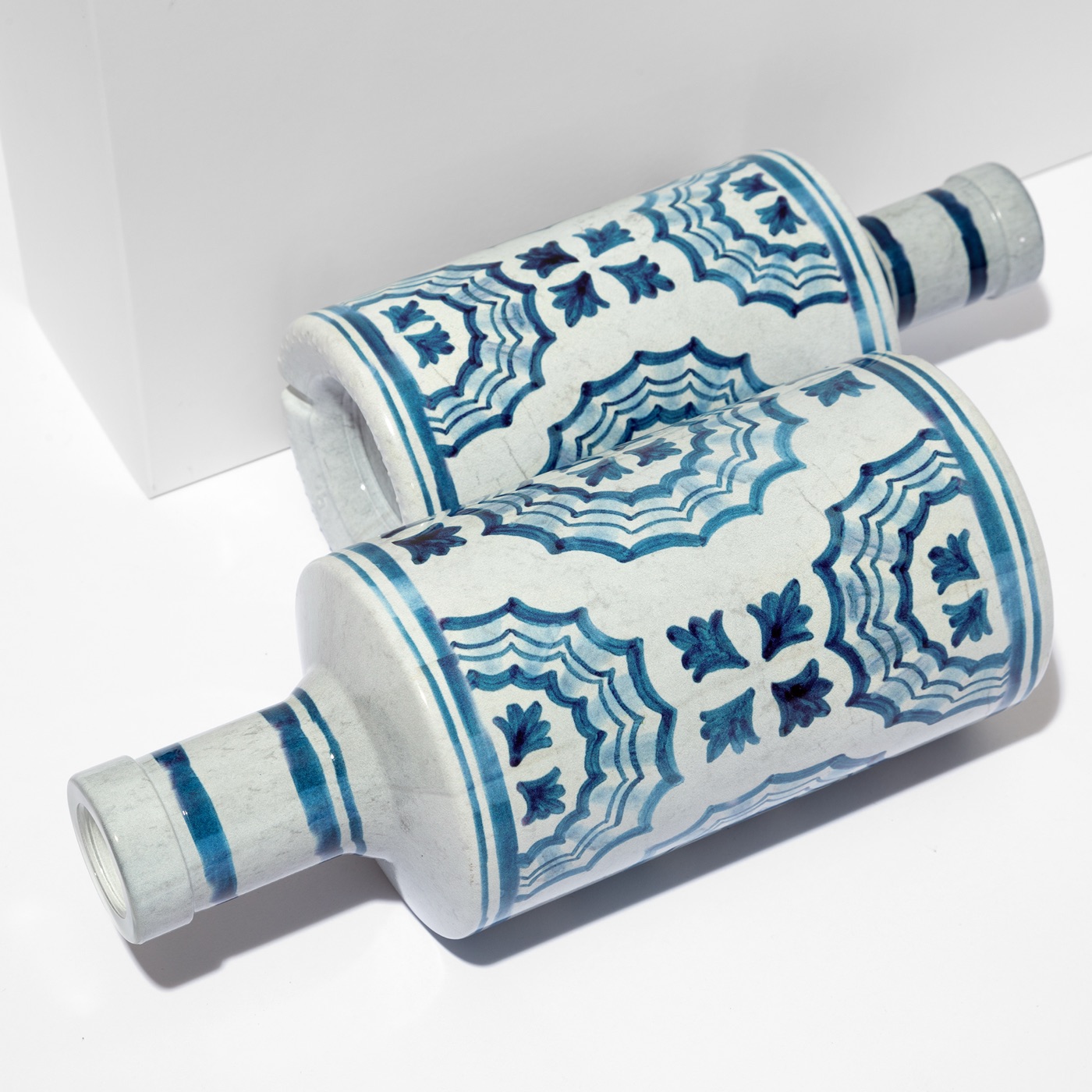
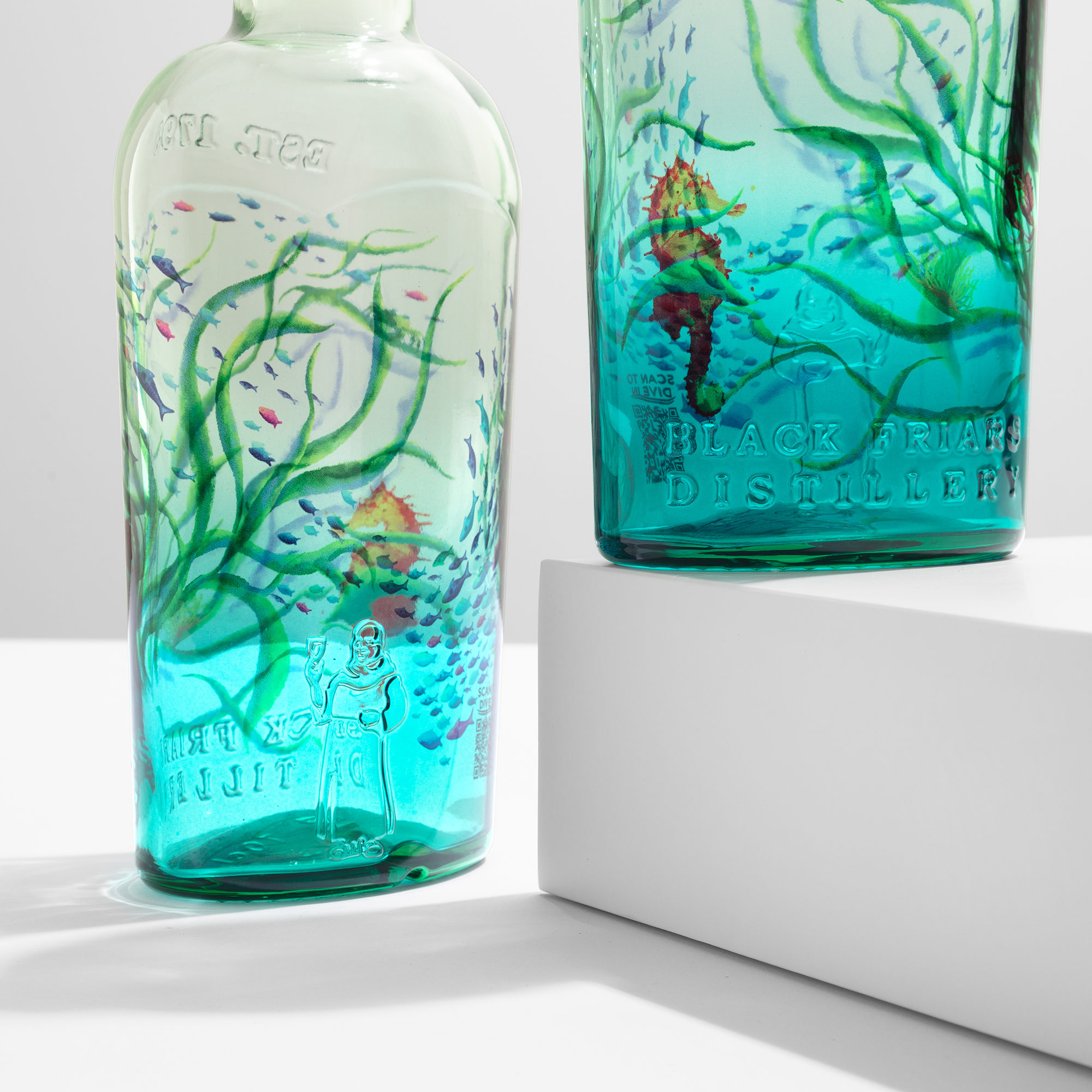
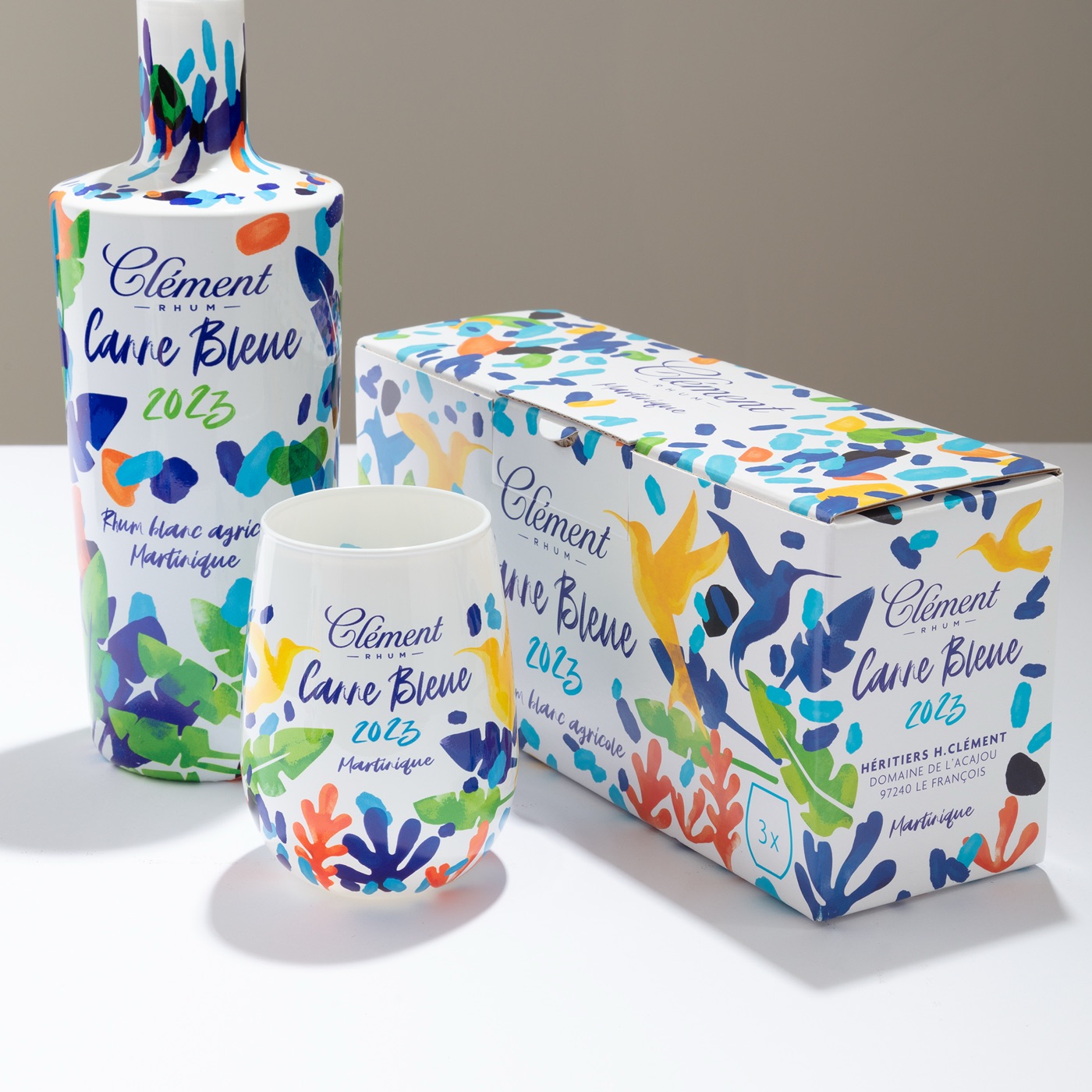
ATIU’s proprietary sublimation process uses water-based inks and water-borne coatings — no heavy metals, no solvents. The result is a mono-material object that recycles as glass. ATIU has operated at net zero CO₂ since 2023 — not as an aspiration, but as a production standard.
For houses with public sustainability commitments and investor visibility, the decoration brief is now inseparable from the ESG brief.
Pressure two: AI is compressing the creative cycle
The fragrance industry has always moved on long timelines. A new juice takes years. A new bottle shape can take eighteen months from concept to production. The problem is that the context these decisions are made in is moving faster than the development pipeline.
AI is changing two things simultaneously. Internally, it is accelerating concept generation — creative directors are working with larger option sets, faster iteration, shorter review cycles. Externally, it is sharpening consumer signal analysis — brands can identify emerging preferences and respond with limited editions, flankers and new formats in weeks rather than quarters.
Both changes create the same pressure on the decoration partner: the brief arrives faster, the sample window is shorter, and the production run may be smaller.
A 10-day sample cycle is not a production detail. When the AI-assisted brief is approved and the campaign window opens in three weeks, the decoration timeline is the critical path. The houses that have found a partner who moves at that pace are running campaigns that others are still planning.
ATIU’s proprietary process — from approved artwork to physical sample in 10 days, from sample sign-off to up to 30,000 units per shift — is built for exactly this rhythm.
Pressure three: ultra-premium demands a different object
The structural growth in fragrance is not evenly distributed. The ultra-premium and niche tier is growing disproportionately — driven by collectors, by gifting culture, by consumers who treat the flacon as a permanent object, not a consumable container.
At this tier, the decoration standard is different. Not because the brief says so, but because the consumer’s relationship with the object says so. An ultra-premium flacon sits on a vanity for years after the fragrance is finished. It is handled daily. It is photographed. It becomes part of how someone presents their taste.
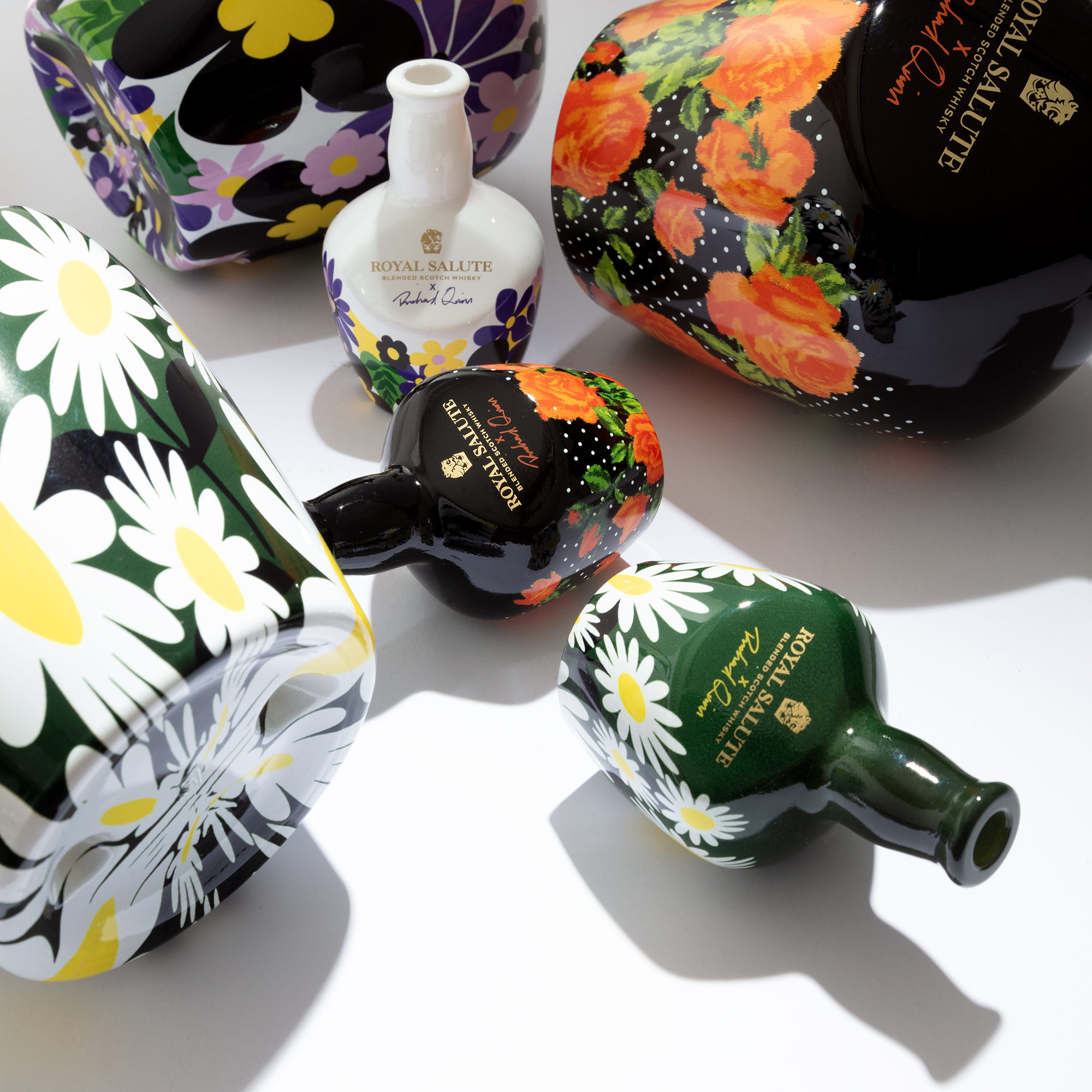
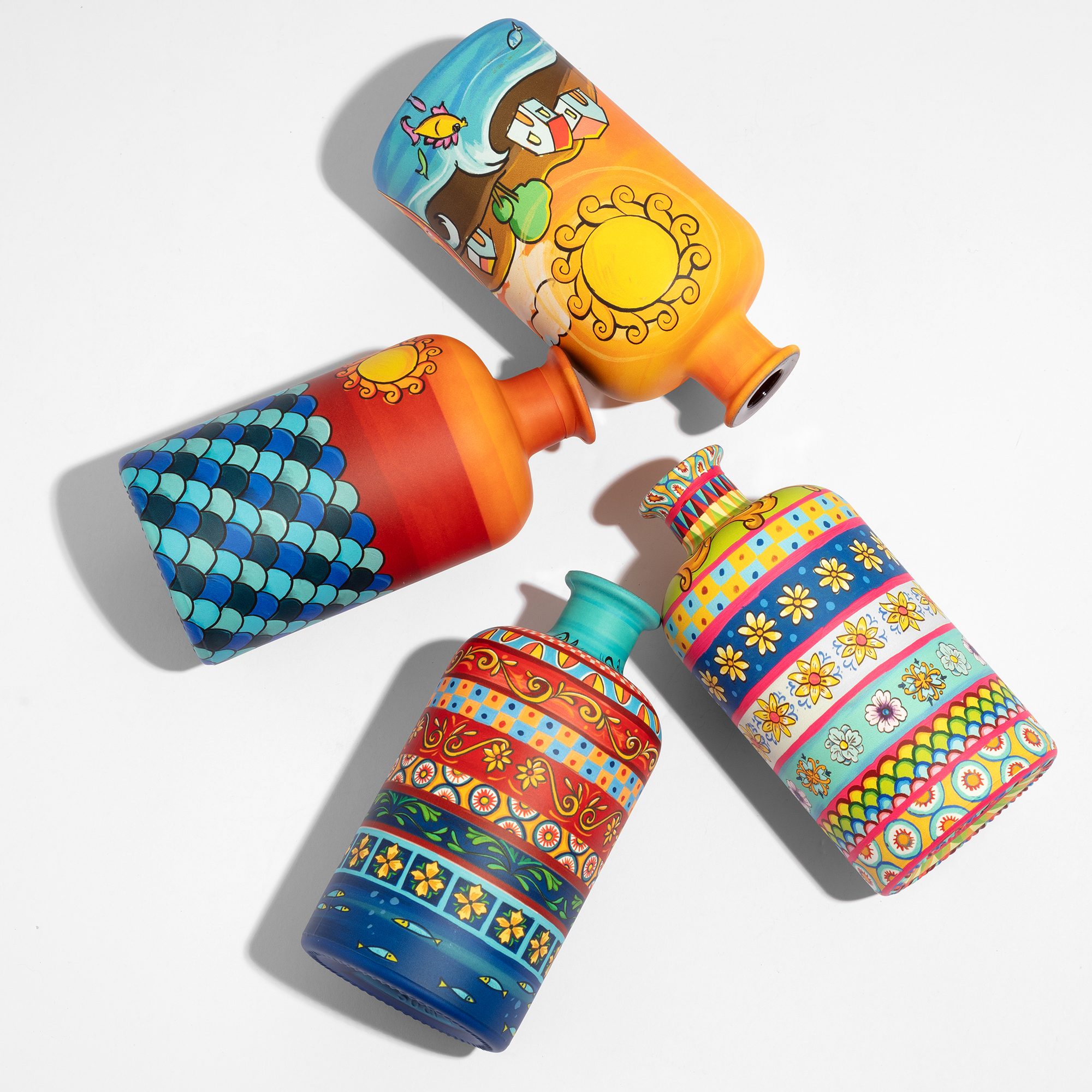
This permanence changes what the decoration must do. It must hold HD precision at close range — 1200 dpi at the shoulder, at the base, at the most complex curve of the form. And it must work across the entire object — not just the front panel, but the full 360° surface, including the cap.
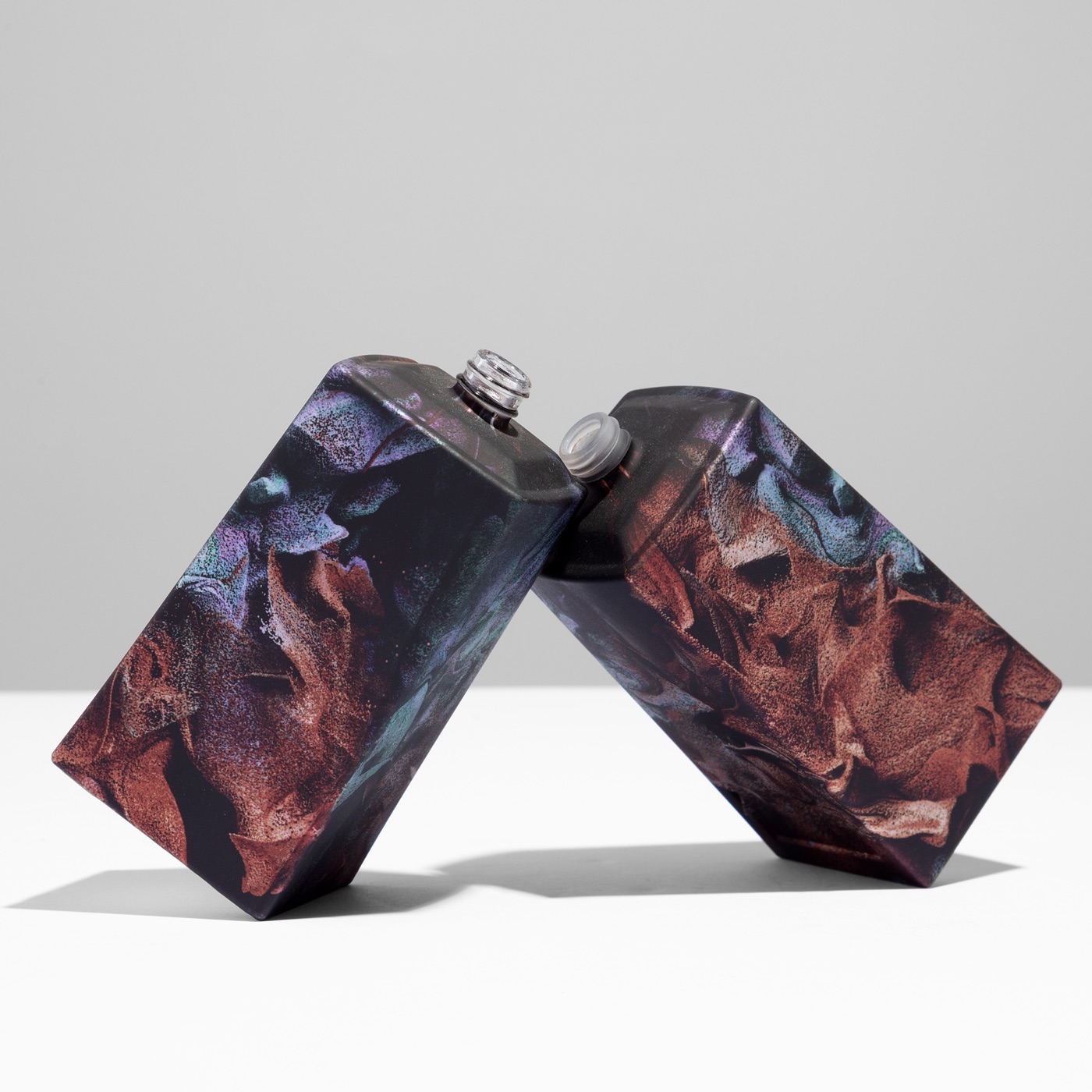
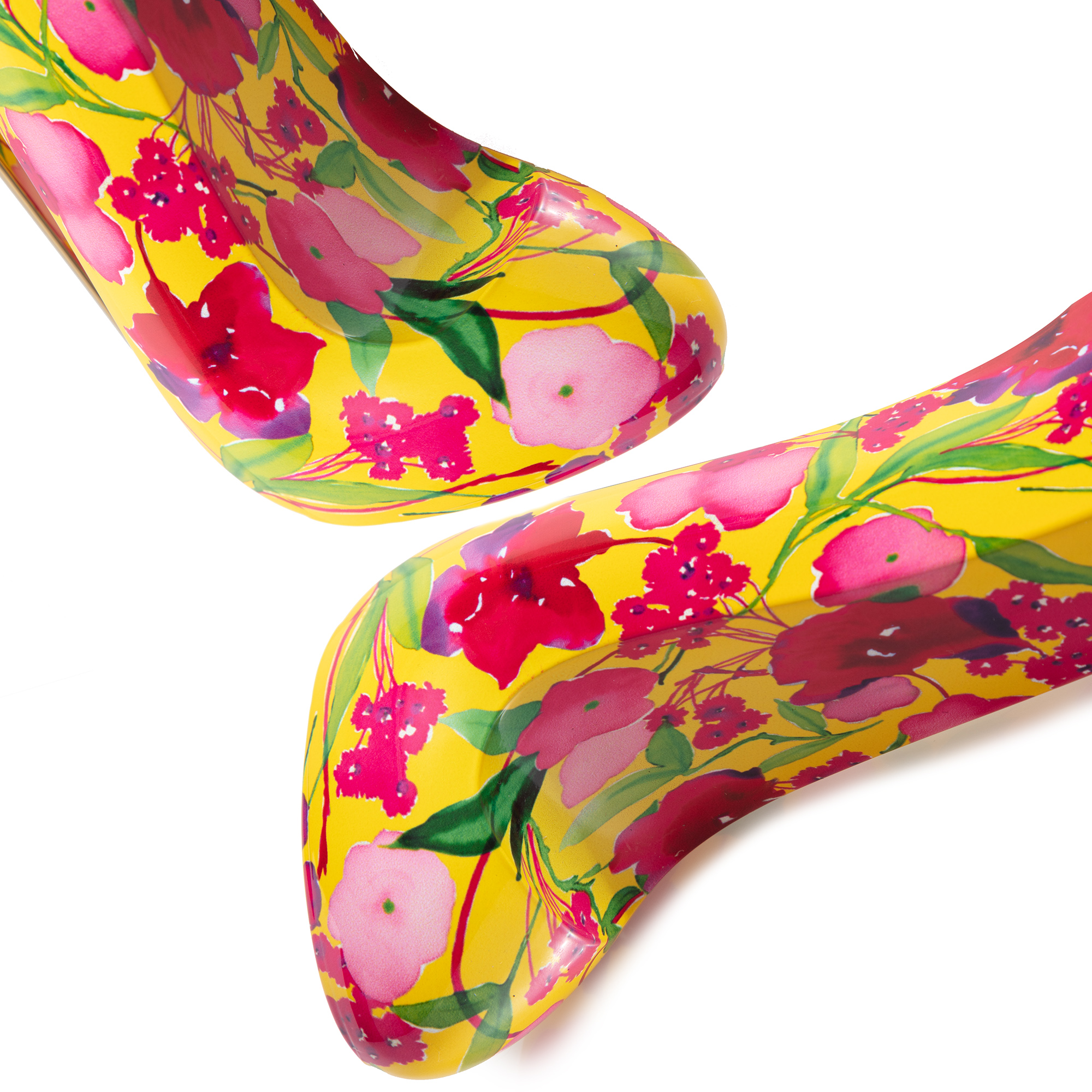
The Bvlgari Le Gemme Tygar collaboration with Refik Anadol required a single continuous artwork across two separate materials — glass flacon and zamac cap — with no break at the join. The Carolina Herrera Good Girl Blush required full decoration on a stiletto geometry that standard techniques could not handle. These are not edge cases. They are the direction the ultra-premium brief is moving.
Where the three pressures meet
The fragrance houses navigating all three pressures simultaneously — sustainability accountability, AI-accelerated creative cycles, ultra-premium quality standards — arrive at the same constraint: the decoration partner has to hold all three at once.
Sustainable process. Fast sample and production cycle. HD precision on complex forms, across the full object, including multi-material continuity between flacon and cap.
ATIU is built at that intersection. The proprietary sublimation methodology was developed specifically for the demands of luxury perfumery and premium spirits — categories where the object carries the brand long after the campaign has moved on.
The brief has changed. The partner has to change with it.
Start with the object. Talk to us →