Sublimation on Glass: A Luxury Packaging Guide
Digital sublimation is transforming how luxury brands approach glass decoration. This guide covers the essentials — from process fundamentals to practical applications across perfumery, spirits, wine and home fragrance.
How It Works
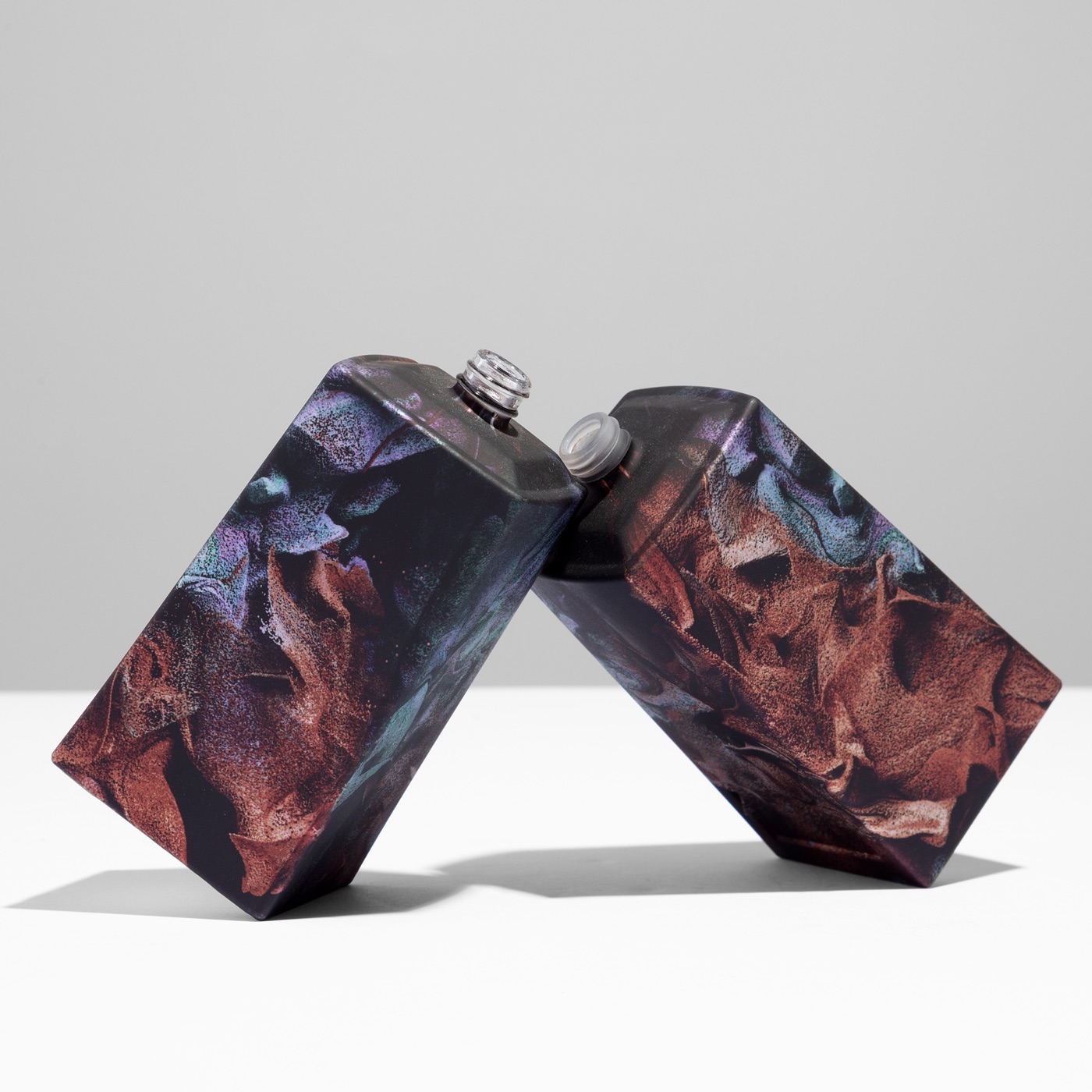
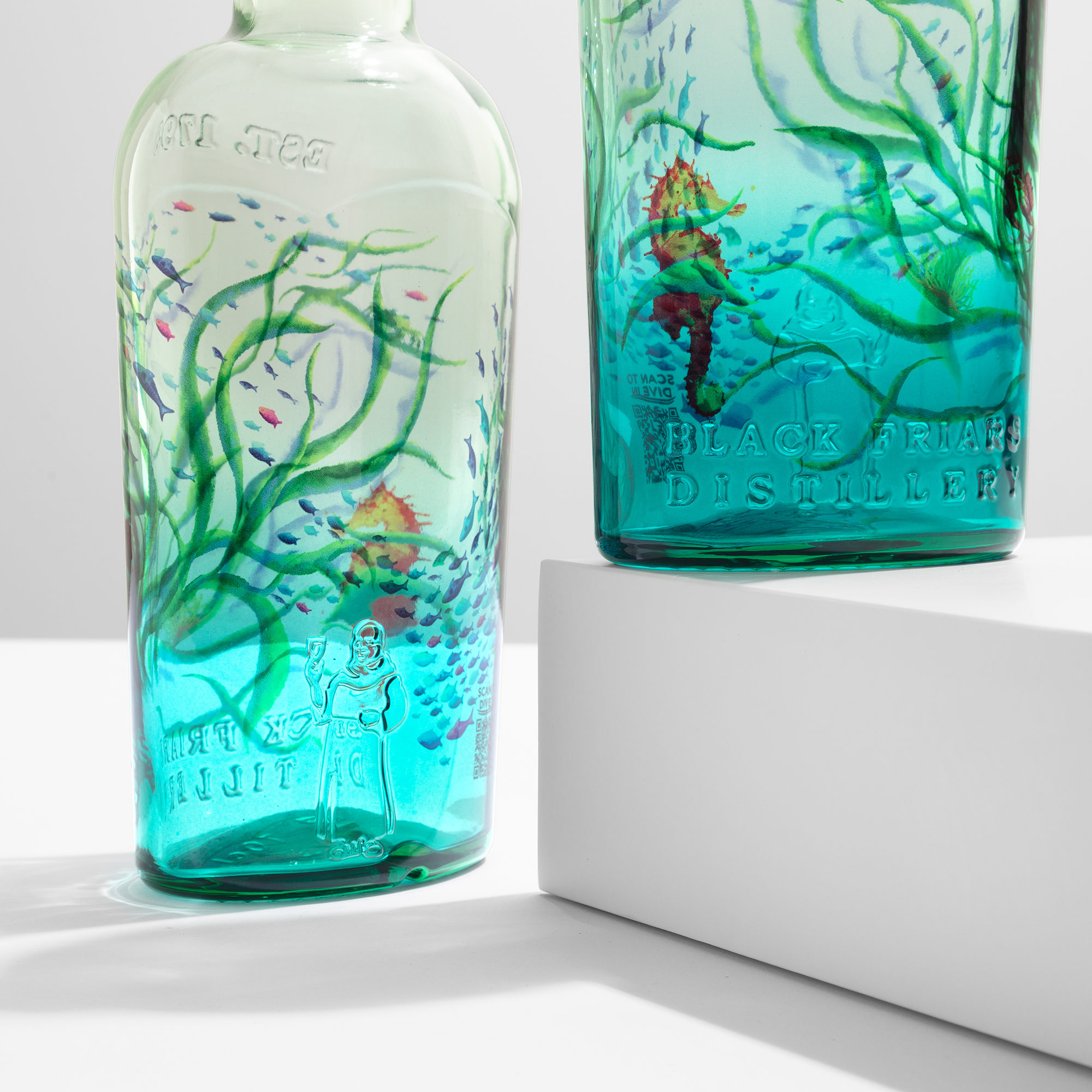
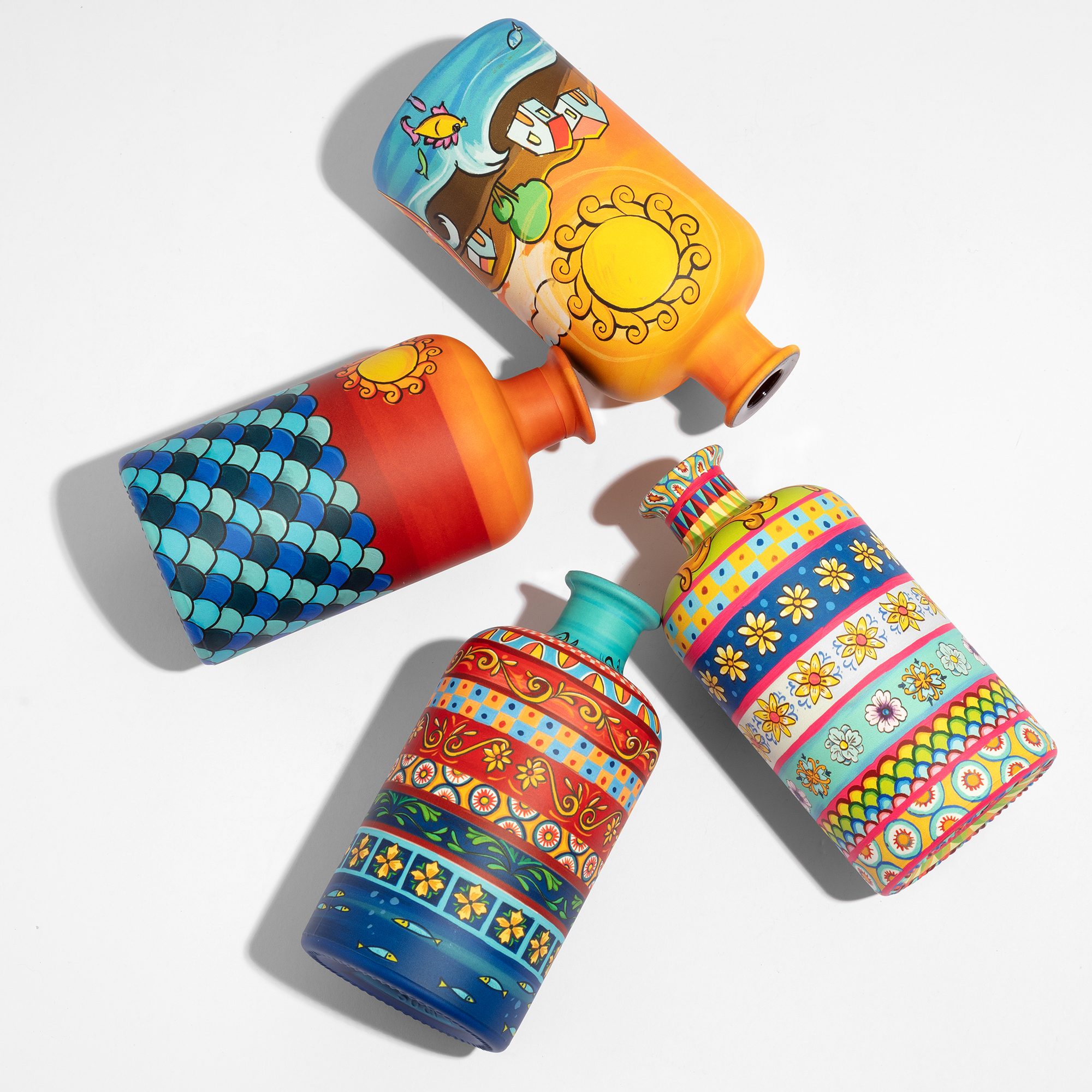
The artwork is digitally printed using sublimation inks and transferred onto the primed glass surface — a perfume bottle, flacon, spirits bottle or candle jar. Heat and pressure cause the ink to sublimate, penetrating and bonding with the primer layer — not the glass itself. The result is a permanent, full-colour, 360-degree decoration with durability comparable to standard coating techniques.
Supported Substrates
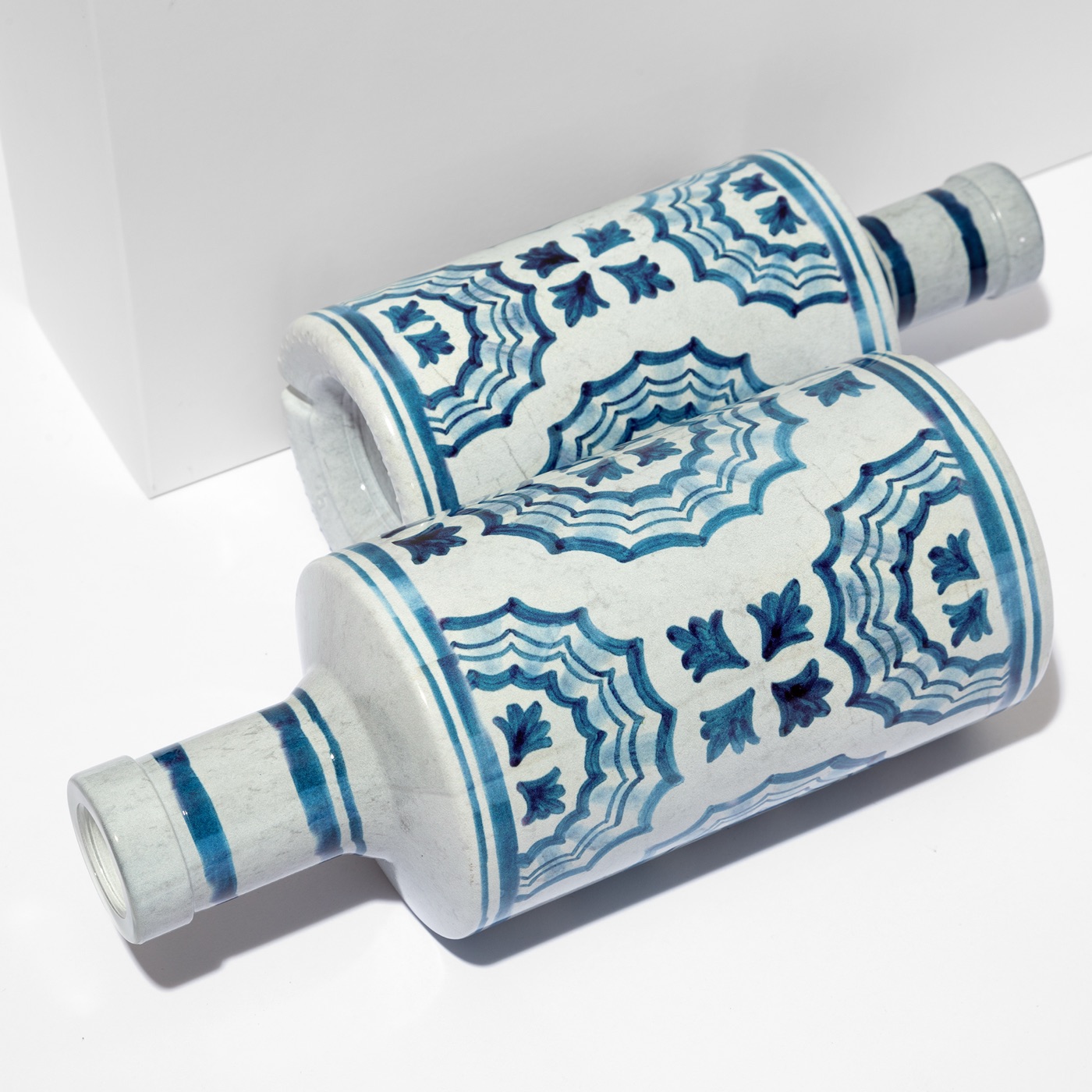
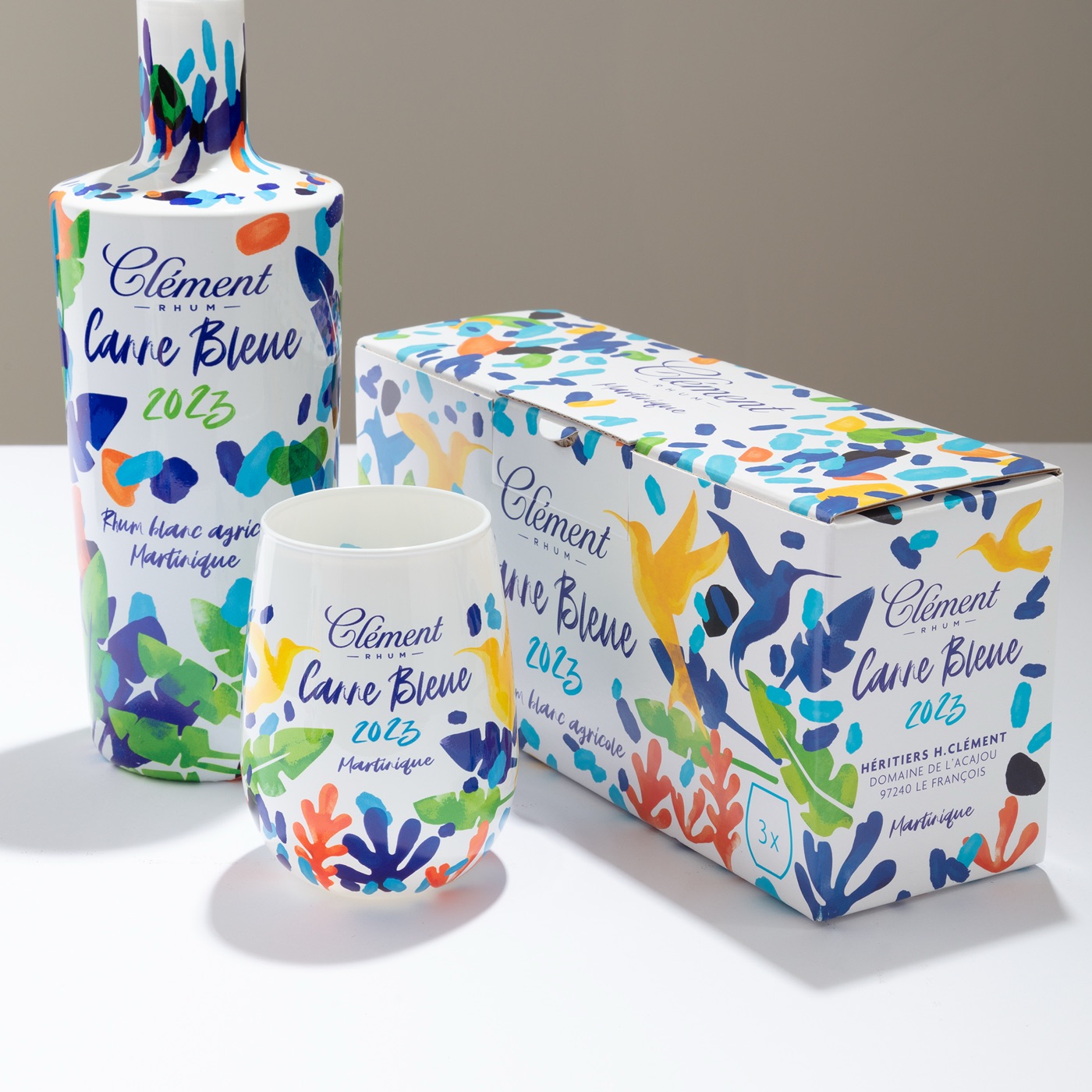
While glass is the primary substrate, ATIU's proprietary methodology also works on aluminium, zamac and ceramic components. This means caps, closures and decorative elements can be decorated to match the bottle — creating a cohesive packaging system.
Quality and Resolution
Sublimation achieves HD resolution. Gradients, fine text, halftones and continuous-tone imagery all reproduce accurately. This opens design possibilities that screen printing and organic coating cannot deliver. For perfume bottles and flacons, where brand expression demands intricate detail, sublimation is an ideal fit.
Key Advantages
No heavy metals, no plates. Fully recyclable decorated glass. Short-run flexibility without setup cost penalties. Single-pass decoration for complex multi-colour designs. These advantages make sublimation attractive to both independent brands and global groups like LVMH.
Working with ATIU
ATIU operates two production plants in Verona, Italy. We decorate glass supplied by Saverglass, Heinz-Glas, Verescence, Bormioli Luigi, Stoelzle, Vetreria Etrusca and Vetro Elite. ISO 9001 certified, EcoVadis Committed and zero-net CO₂ since 2023. The process starts with a brief or sample request.
Learn more about our sublimation technology or request a sample.