In today’s eco-conscious world, the impact of bottle decoration on sustainability is a hot topic. From materials used to production methods, let’s explore how these choices affect our environment.
Understanding Bottle Decoration and Its Components
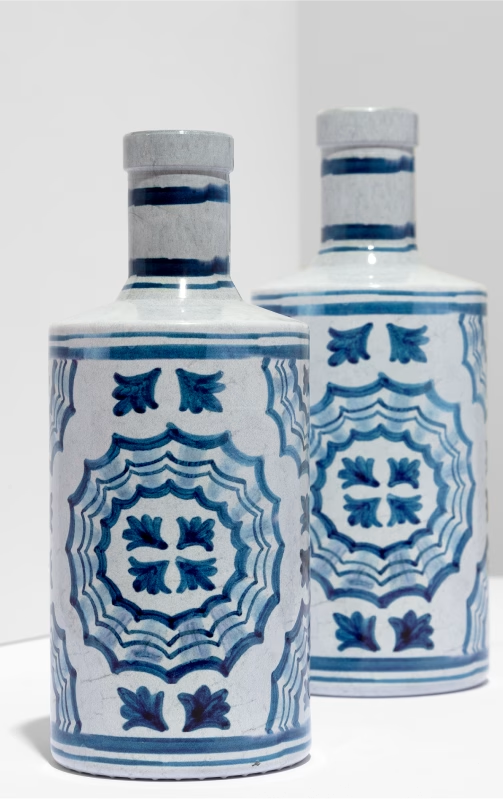
Bottle decoration encompasses a variety of techniques, such as label printing, painting, and embossing. Each method significantly influences the materials used and the waste produced.
For instance, label printing often utilizes adhesives that may not be recyclable. In contrast, a painted bottle devoid of labels can offer a cleaner lifecycle, promoting environmental benefits.
Moreover, techniques like embossing require less material than traditional printing. This reduction in material can lead to decreased production waste, showcasing a more sustainable approach.
In summary, understanding these components helps consumers and companies alike make informed decisions about eco-friendly bottle decoration options.
Assessing Material Choices: Eco-Friendly vs. Traditional
The materials selected for bottle decoration play a significant role in determining sustainability. Traditional materials often have larger carbon footprints, thereby negatively impacting the environment.
On the other hand, eco-friendly options such as biodegradable inks and recycled papers promote recycling and help in resource conservation. These materials are essential in minimizing environmental footprints.
Brands that prioritize sustainable materials tend to resonate with consumers who value environmentally friendly practices. This juxtaposition between traditional and eco-friendly materials is a crucial debate in the industry.
Ultimately, choosing sustainable materials leads to a better ecological impact and aligns with the growing consumer demand for responsible practices.
Evaluating Production Processes and Their Environmental Impact
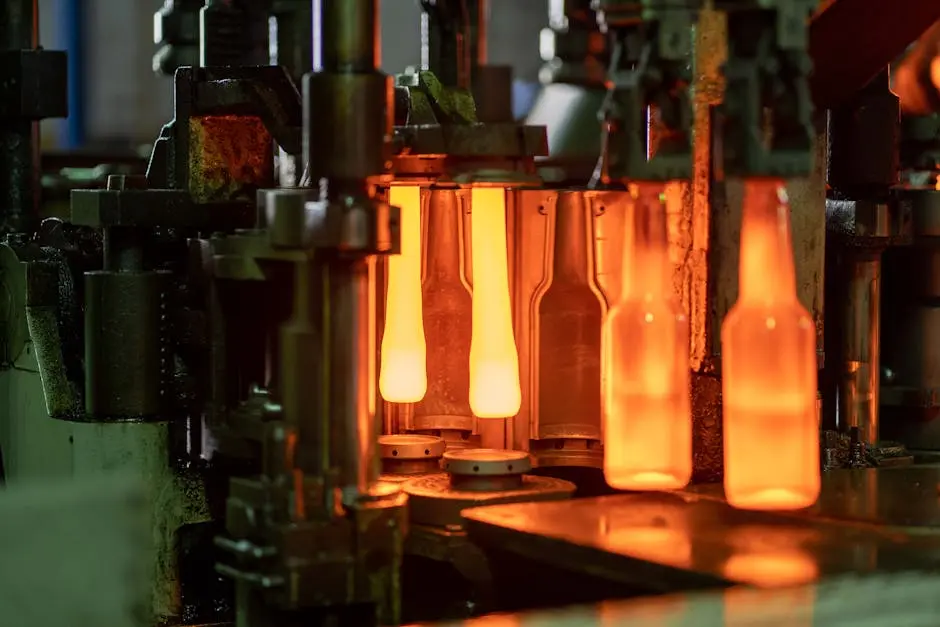
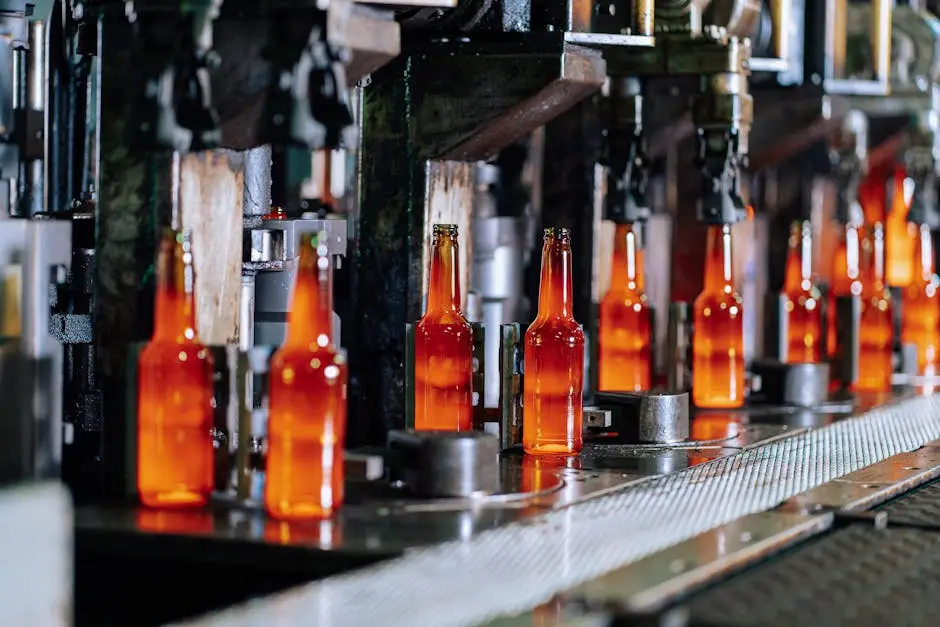
The production processes for bottle decoration can differ drastically across manufacturers and techniques. Understanding this variability is crucial to evaluating their environmental impact.
For instance, some methods consume significantly less energy compared to others. Additionally, the emissions generated during production can vary, contributing to the overall environmental effect.
Water consumption is another vital factor to consider. Processes that require extensive water use not only strain local resources but also potentially introduce pollutants into the environment.
By adopting greener production techniques, businesses can significantly reduce their carbon footprint. From energy-efficient machinery to holistic waste management systems, there are many paths to sustainability.
Consumer Preferences and Sustainable Practices
As awareness about environmental sustainability rises, consumers increasingly prioritize eco-conscious decisions. Bottle decoration that emphasizes environmentally friendly practices often boosts brand loyalty.
When brands transparently communicate their sustainable efforts in bottle decoration, it resonates well with customers, prompting them to support such initiatives. Consumers appreciate when their choices contribute toward sustainability.
For manufacturers, leveraging sustainable bottle decoration as a marketing advantage can lead to increased appeal in an eco-conscious market. It’s a win-win for brands and customers alike.
In conclusion, understanding consumer preferences can guide companies in aligning their decoration strategies with sustainable practices, fostering a better connection with their audience.
Case Studies: Brands Leading the Change
Many brands around the world are setting benchmarks in sustainable bottle decoration. Companies like Coca-Cola are exploring biodegradable labels that reduce plastic usage.
Another notable example is AB InBev, which has committed to using 100% recyclable packaging by 2025. Their eco-friendly bottle decoration techniques exemplify innovation aligned with sustainability goals.
By analyzing successful case studies, we gain valuable insights into effective strategies that prioritize environmental responsibility. These brands demonstrate that sustainability and market success can go hand-in-hand.
The more brands invest in sustainable decoration practices, the stronger the movement will become – paving the way for a greener future in the packaging industry.
Summing Up the Impact of Bottle Decoration on Sustainability
In summary, bottle decoration plays a crucial role in shaping sustainable practices within the industry. By making informed choices about materials and methods, we can significantly reduce environmental impact while enhancing brand appeal.