Why the Bottle Sells the First Glass
Wine is one of very few consumer products where the buyer routinely makes a decision without tasting, touching or even fully understanding what is inside. At shelf, in an enoteca, on a restaurant wine list with no sommelier in sight — the bottle is doing the selling. Not the wine.
This is not opinion. It is a pattern documented by consumer research over two decades. And it has direct consequences for how wineries should think about bottle decoration.
The Shelf Decision: Seconds, Not Minutes
Shopper behaviour studies from the Point of Purchase Advertising International (POPAI, now the Shop! Association) established that the majority of purchase decisions in retail happen in-store, not before. Their Shopper Engagement Studies found that consumers typically spend between three and seven seconds evaluating a product on shelf before choosing.
Wine is no exception. For categories where brand loyalty is weak and product knowledge is limited — which describes most wine consumers outside the expert segment — those seconds are dominated by visual cues: the label, the bottle shape, the colour of the glass, the weight in hand.
What the Research Actually Says
The academic evidence is consistent. Researchers across multiple markets have examined how packaging design influences wine purchase behaviour:
Label design and purchase intent
Boudreaux and Palmer, publishing in the International Journal of Wine Business Research (2007), found that specific label design elements — colour, imagery, typography and layout — significantly affected both purchase intent and the perceived personality of the brand. A label communicates positioning before a single word is read.
The role of extrinsic cues
Mueller and Szolnoki, in Food Quality and Preference (2010), studied the German wine market and found that label design ranked among the top three extrinsic cues driving wine choice — alongside price and region of origin. For consumers who lack the knowledge to evaluate a wine on varietal, vintage or producer reputation, the label becomes the primary decision filter.
Eye-tracking data
Research from institutions including the University of Adelaide and Geisenheim University, using eye-tracking technology, has shown that consumers spend the majority of their evaluation time — studies indicate 60 to 70 percent — looking at the front label before making a purchase decision. The back label, awards and technical details receive far less visual attention.
Packaging and willingness to pay
Szolnoki and Hoffmann, in the British Food Journal (2013), demonstrated that packaging elements — bottle shape, closure type, label design, and bottle weight — significantly influenced both perceived quality and willingness to pay. The study confirmed what many in the industry suspect: a heavier bottle with a well-designed label is perceived as better wine, regardless of what is inside.
The Wine Label Paradox
There is a consistent finding across consumer studies that researchers sometimes call the wine label paradox. When asked, consumers say they choose wine based on taste, grape variety and region. But when observed, their behaviour tells a different story.
In the mid-price segment — roughly €8 to €20 per bottle, where brand loyalty is weakest and choice is widest — label and packaging design is often the actual deciding factor. The gap between stated preference and revealed preference is significant.
This matters because the mid-price segment is exactly where most wineries compete. And it is where packaging investment delivers the highest return.
What Premiumisation Means for Packaging
Data from IWSR Drinks Market Analysis shows a structural trend across global wine markets: volumes are declining while value is growing. Consumers are buying less wine, but paying more per bottle. This premiumisation trend — documented across the US, UK, and key European markets — puts additional pressure on packaging to justify the higher price point.
A €25 bottle sitting next to a €12 bottle needs to look like it belongs at that price. The decoration, the weight of the glass, the finish — these are not cosmetic choices. They are commercial decisions that directly affect sell-through.
Smithers, in their wine packaging market reports, have valued the global wine packaging market in the range of $15–18 billion, with growth driven by premiumisation and sustainability requirements. The investment is real. The question is where to allocate it.
Beyond the Label: Direct Decoration
Most wine packaging still relies on paper labels applied to glass. Labels work. But they also impose constraints:
- Limited surface area — a paper label covers a fraction of the bottle. The rest is bare glass.
- Durability — labels degrade in ice buckets, humid cellars and condensation. What looks refined on the shelf can look damaged at the table.
- Design boundaries — labels are flat rectangles applied to curved surfaces. Full-body designs, gradients that wrap the circumference, or artwork that extends from neck to base require a different approach.
- Sustainability questions — adhesive labels can complicate glass recycling streams, depending on the adhesive chemistry and label material.
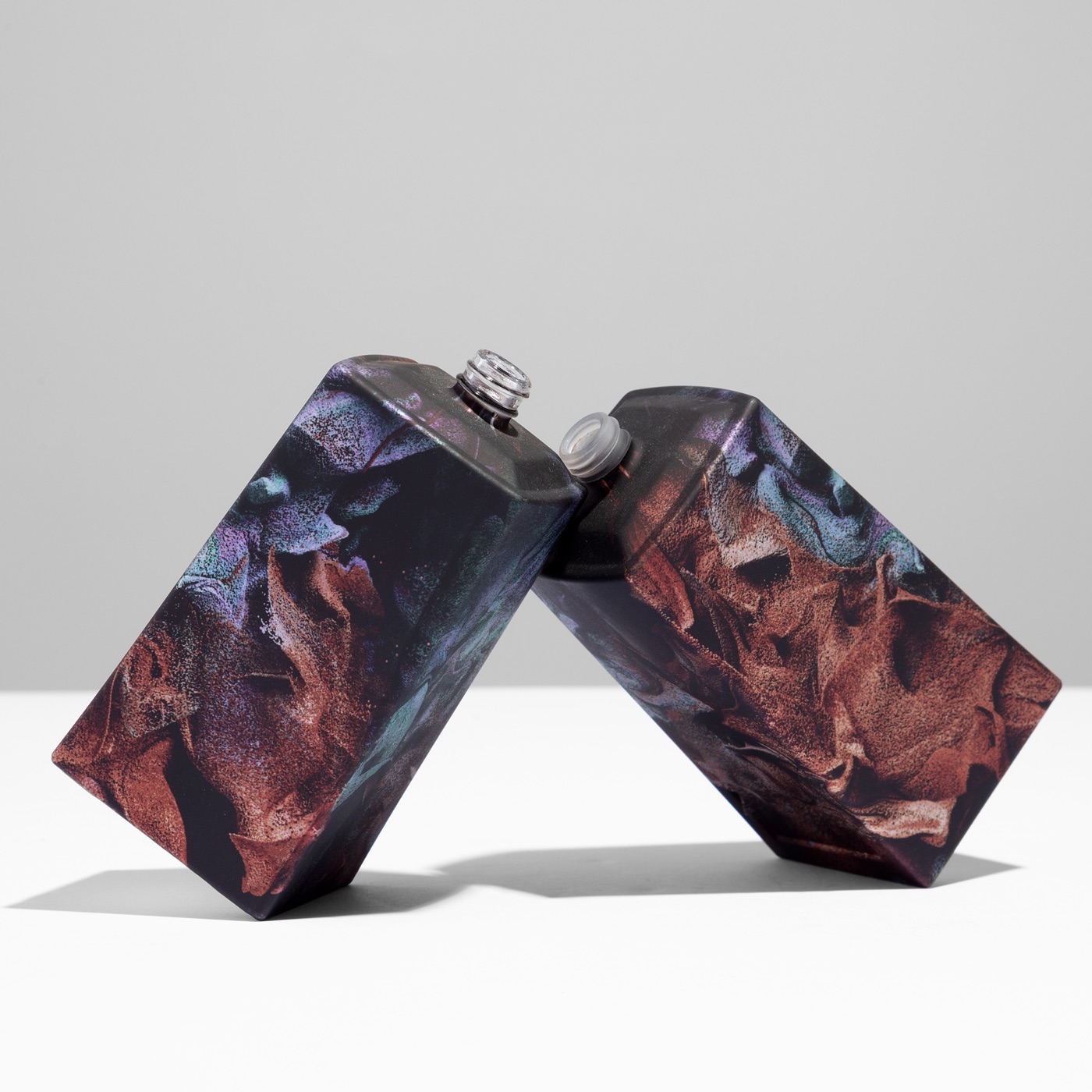
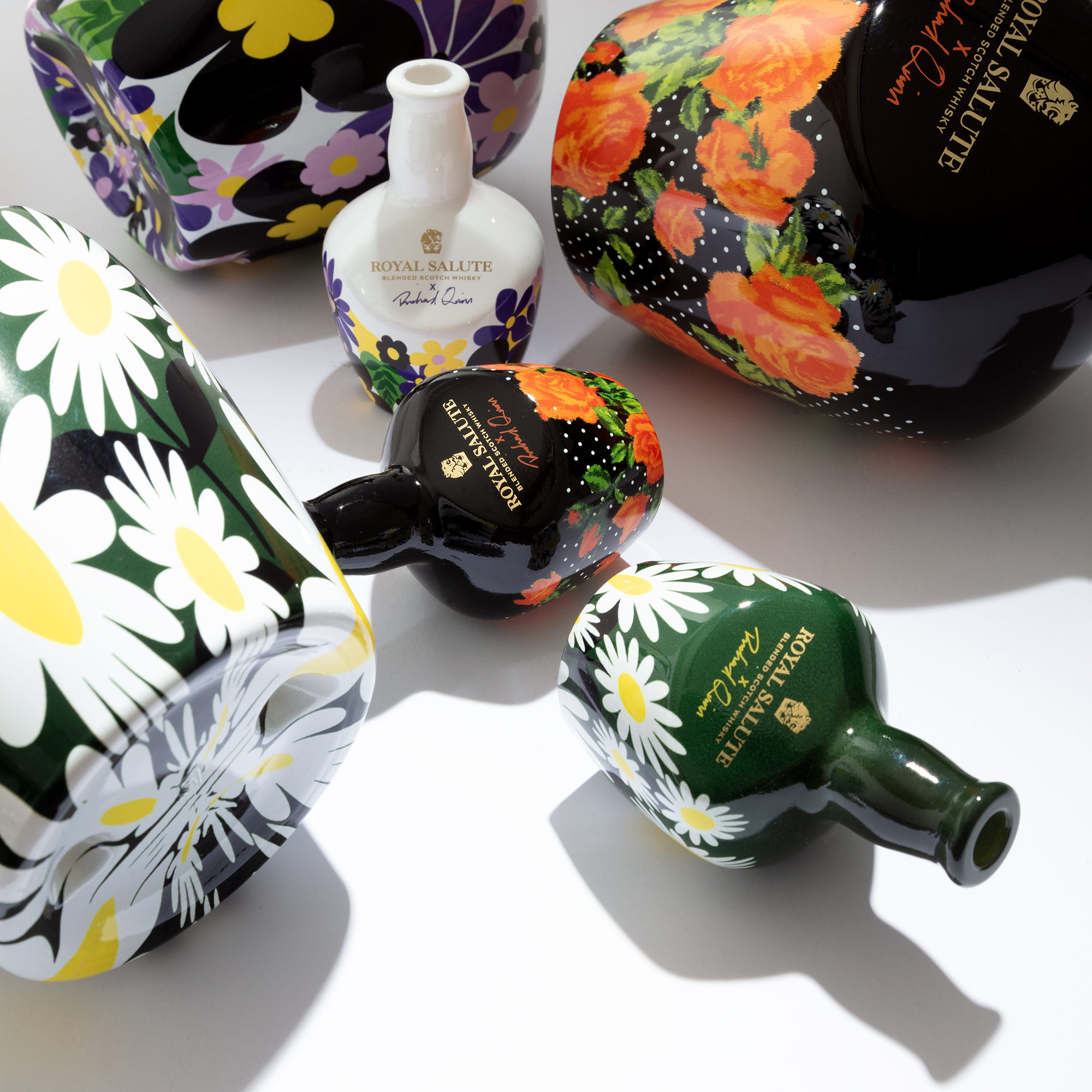
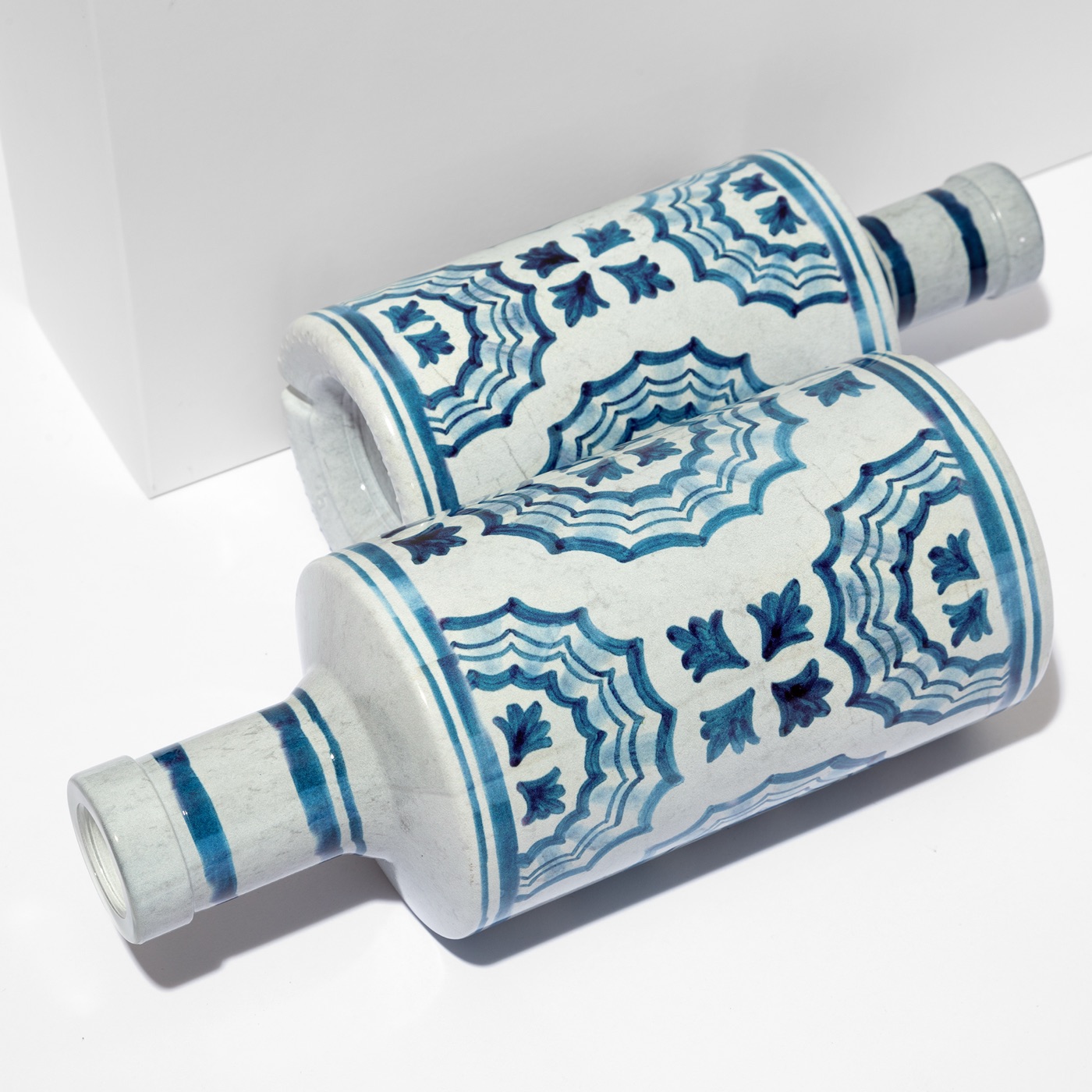
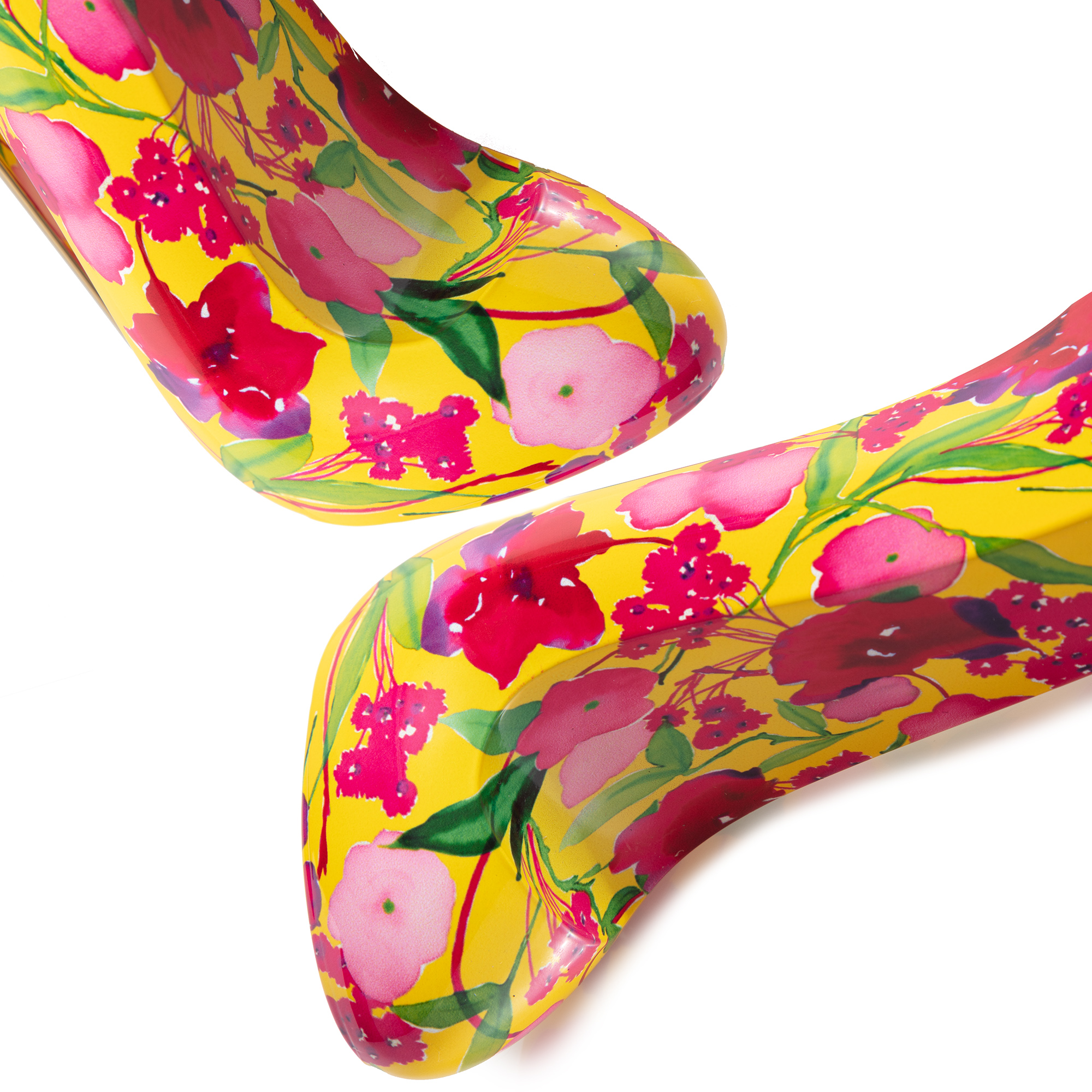
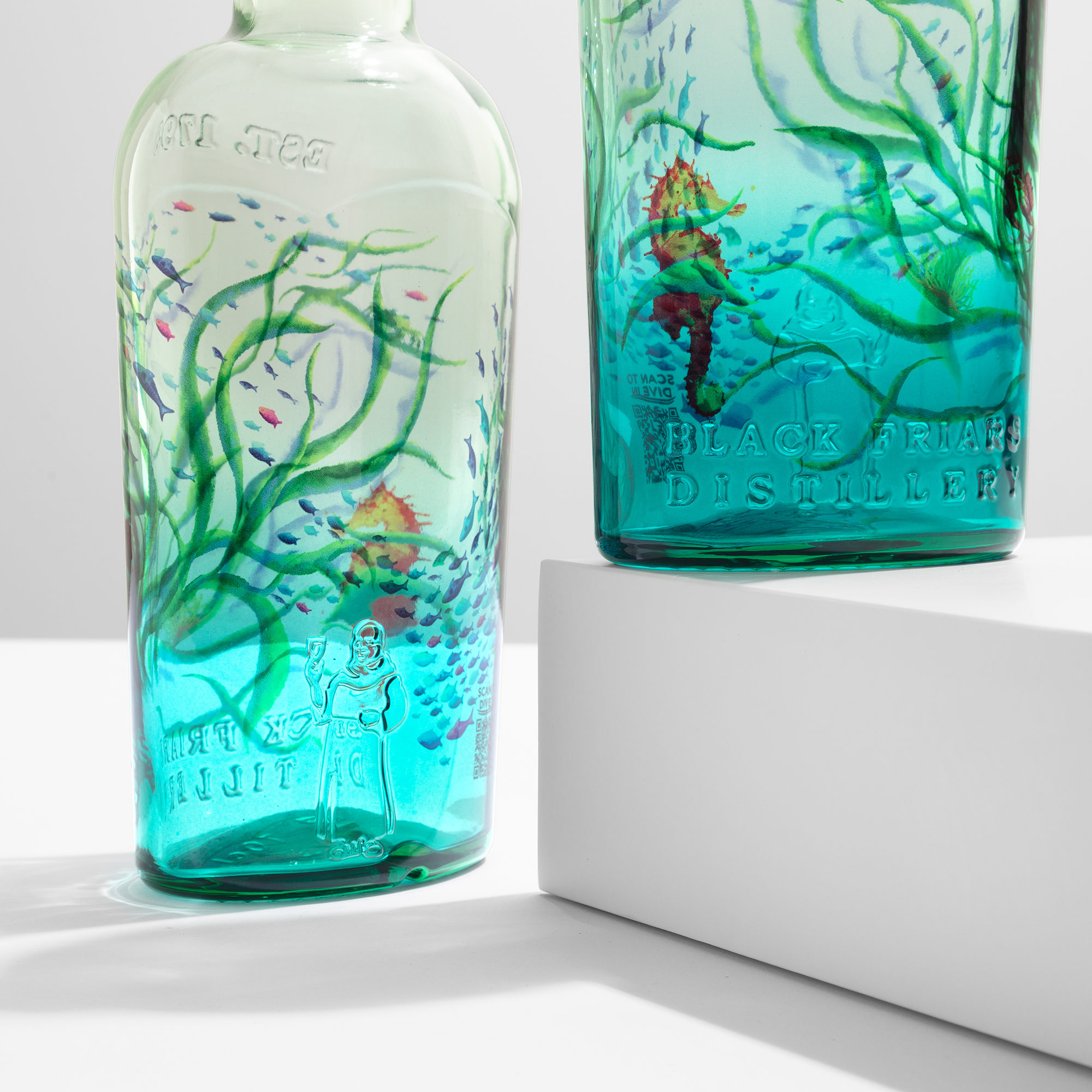
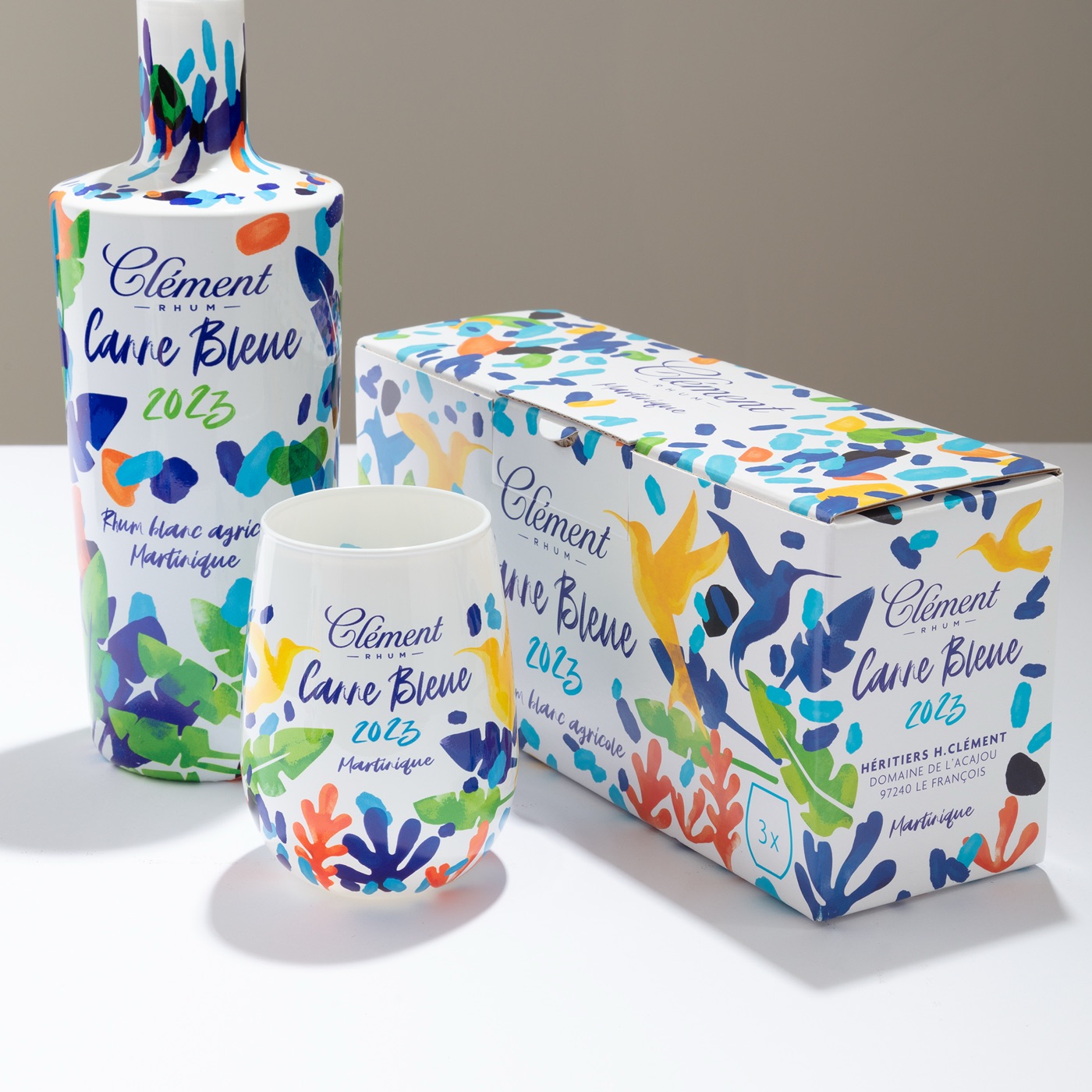
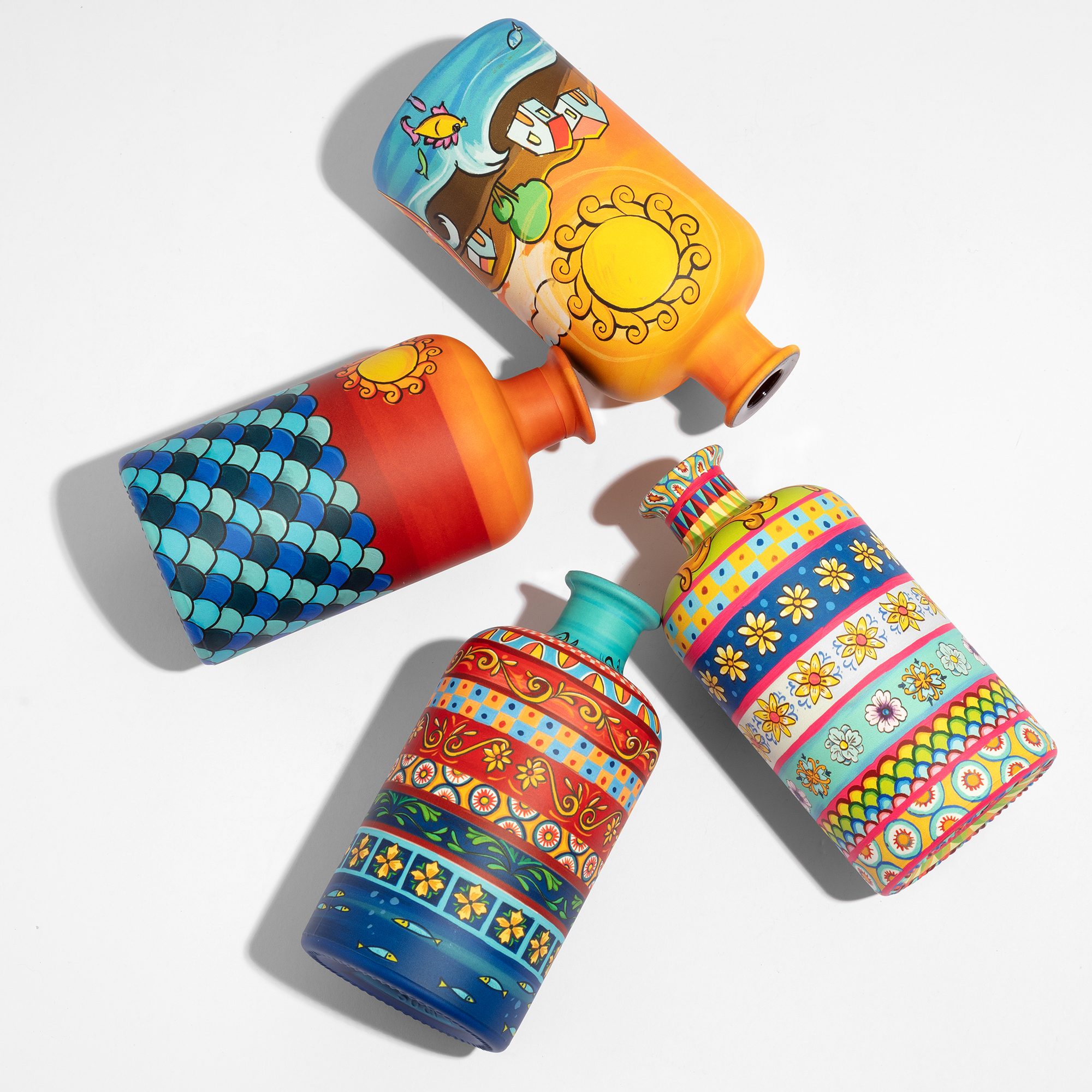
Direct-to-glass decoration — including digital sublimation — removes these constraints. The entire bottle surface becomes available for design. The decoration is fused into the glass, so it cannot peel, fade or degrade. And the decorated bottle remains fully compatible with standard glass recycling.
Practical Implications for Wine Producers
The research points to a set of practical conclusions:
1. Invest where the decision happens
The purchase decision happens at the front of the bottle, in seconds. Budget and design effort should be concentrated there. The back label is important for regulatory compliance and for the small percentage of buyers who read it — but it is not where the sale is won.
2. Design for the shelf, not the boardroom
A label that looks elegant in a presentation deck may disappear on a shelf surrounded by 200 other bottles. Standout — the ability to catch attention from a distance — is a measurable property that Wine Intelligence (now part of IWSR) tracks in their Wine Packaging Explorer reports. It should be a design objective, not an accident.
3. Match the packaging to the price
Consumers use packaging as a proxy for quality. A premium wine in a lightweight bottle with a low-cost label sends a contradictory signal. A mid-range wine in a beautifully decorated bottle creates positive expectation — and expectation shapes experience.
4. Consider the full surface
Limited-edition wines, single-vineyard cuvées and export markets all benefit from decoration that goes beyond the label rectangle. Full-body decoration allows storytelling that wraps the bottle — terroir maps, harvest-year artwork, vineyard photography — in a way that paper labels cannot physically achieve.
5. Test before you commit
Digital decoration methods allow prototyping on production equipment. A winery can evaluate a finished, decorated bottle — not a flat proof or a digital mockup — before committing to a production run. With no plates or screens required, the cost of testing is minimal.
The First Glass Is Poured With the Eyes
Wine professionals understand terroir, vinification and élevage. Consumers understand what they see and what they feel in their hands. The bottle is the bridge between the two.
The research is clear: packaging design is not a secondary decision. For the majority of wine consumers, in the majority of purchase situations, the bottle is the product — until the cork comes out. Treating decoration as an afterthought means surrendering the moment when the sale is actually made.
Sources cited: Boudreaux & Palmer, Int. J. Wine Business Research (2007). Mueller & Szolnoki, Food Quality and Preference (2010). Szolnoki & Hoffmann, British Food Journal (2013). POPAI / Shop! Association, Shopper Engagement Studies. IWSR Drinks Market Analysis. Smithers, The Future of Wine Packaging. Wine Intelligence, Wine Packaging Explorer reports.
Learn more about digital sublimation for wine bottles, read our Vinitaly 2026 plant visit guide, or request a sample.