Bottle Decoration for Beverage Brands. What Drives Sales.
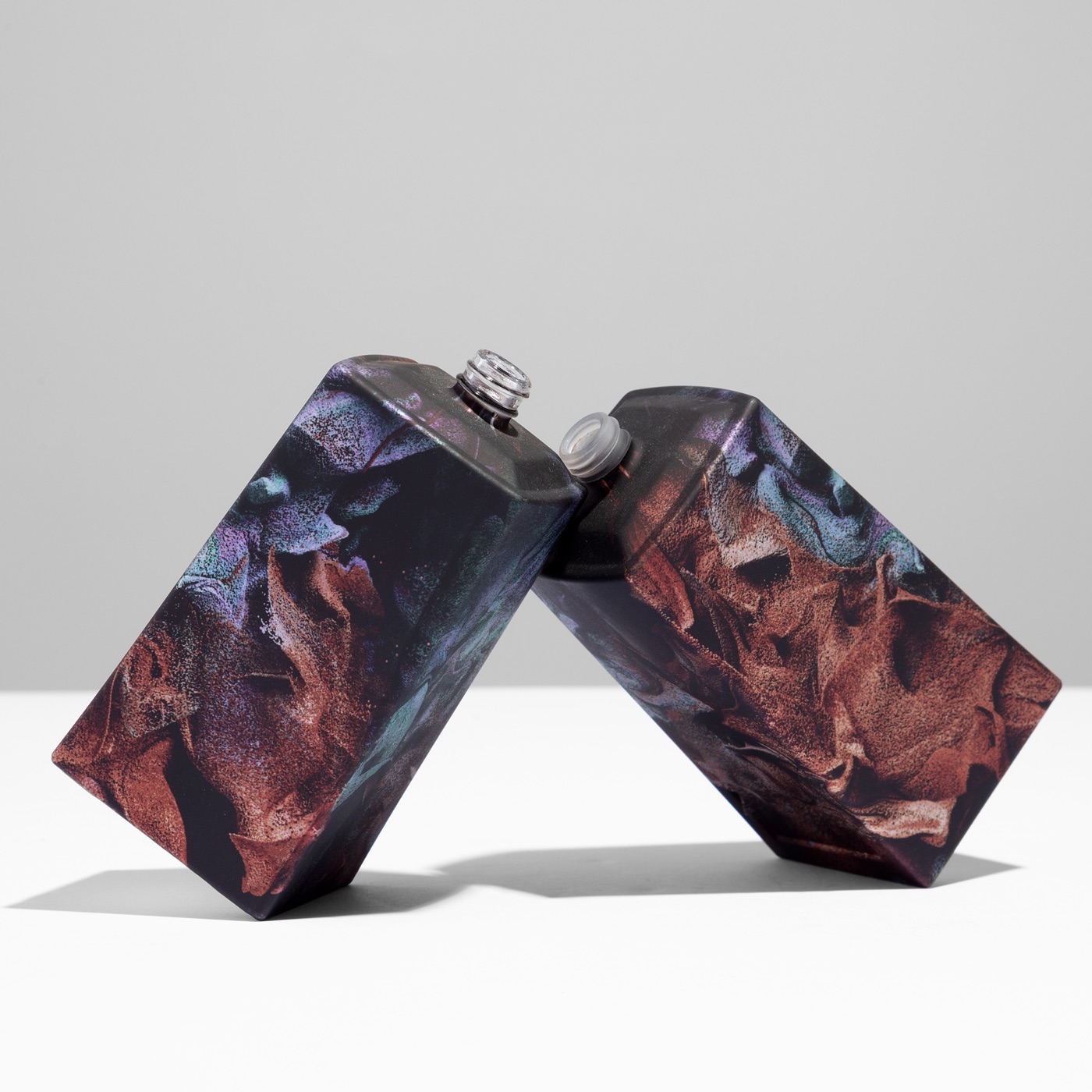
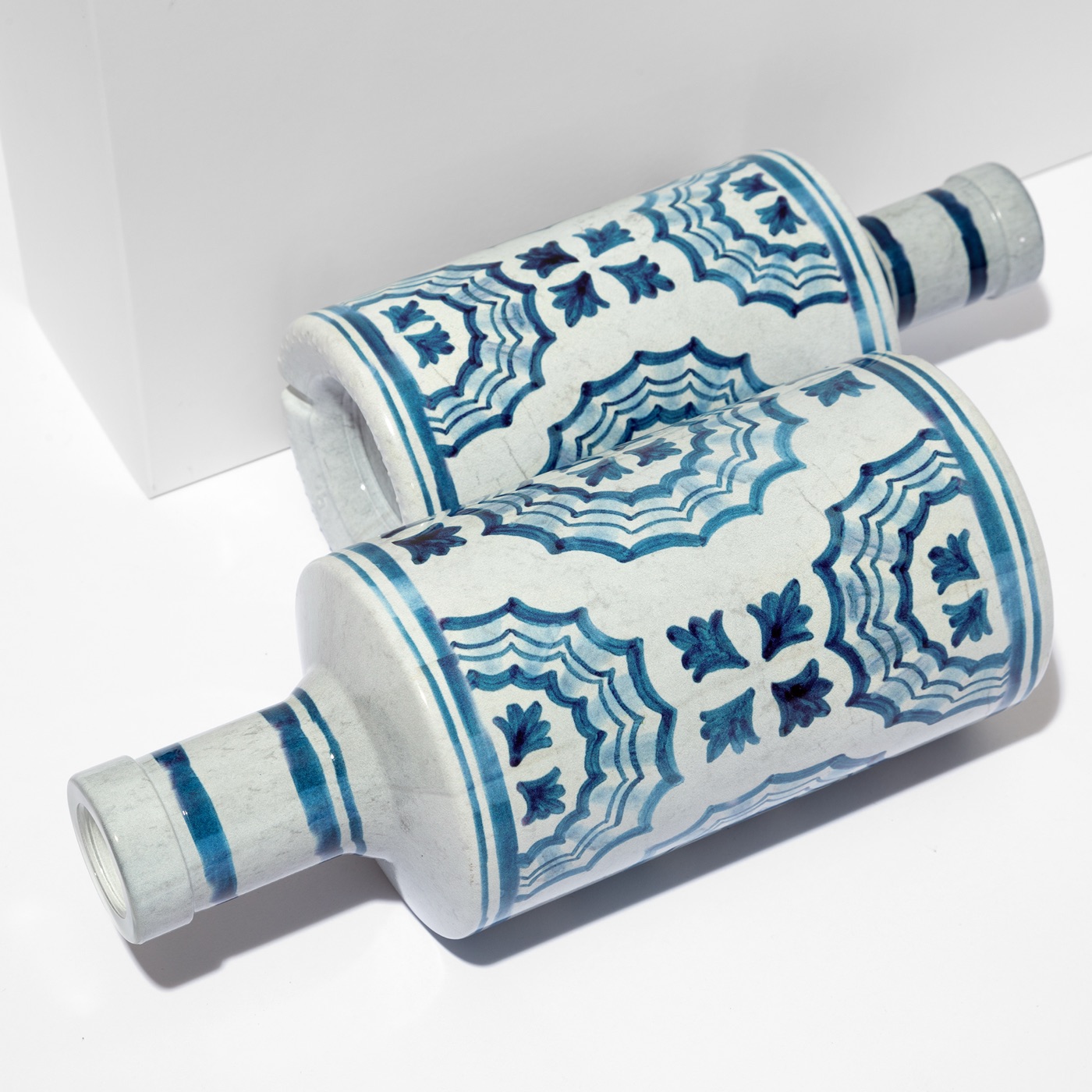
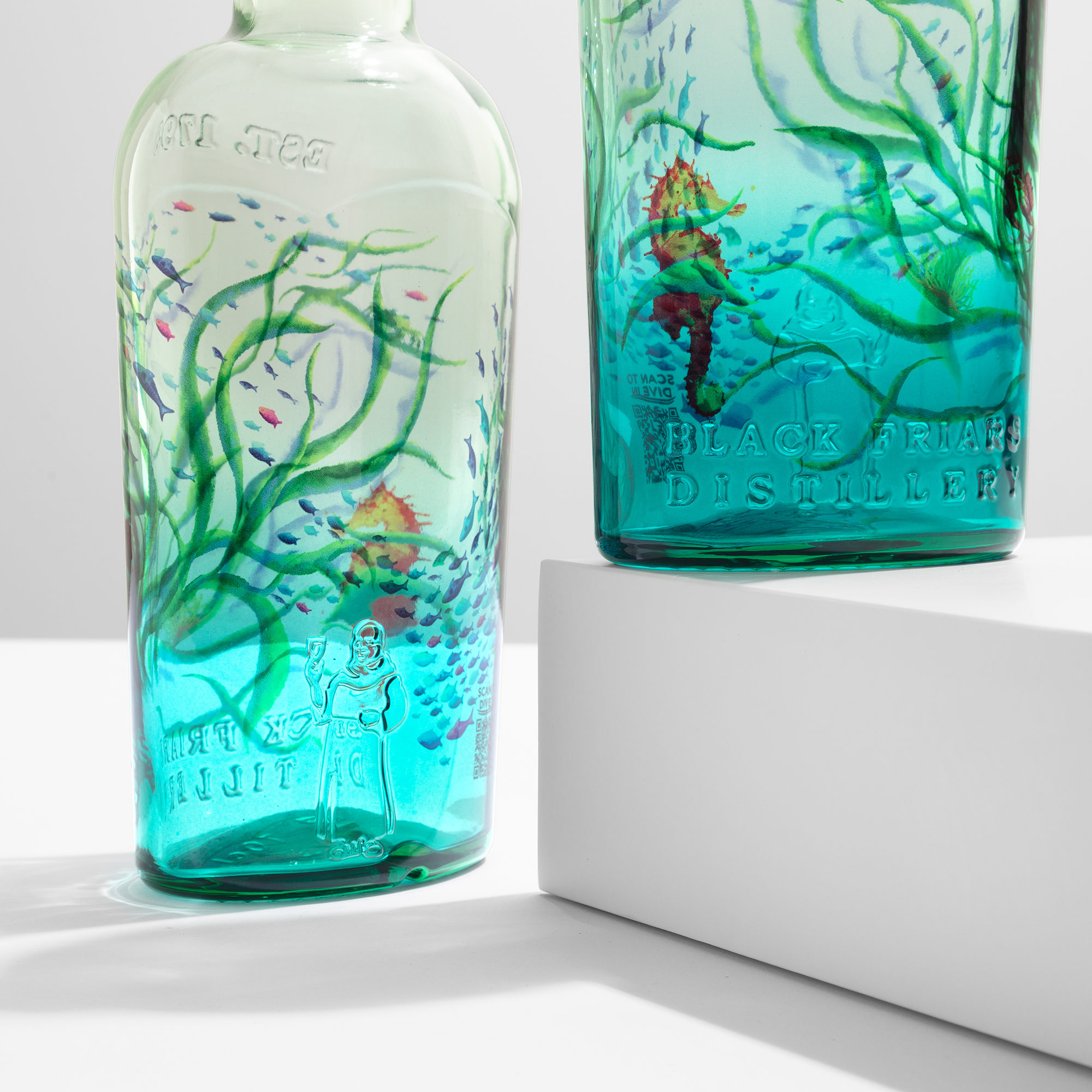
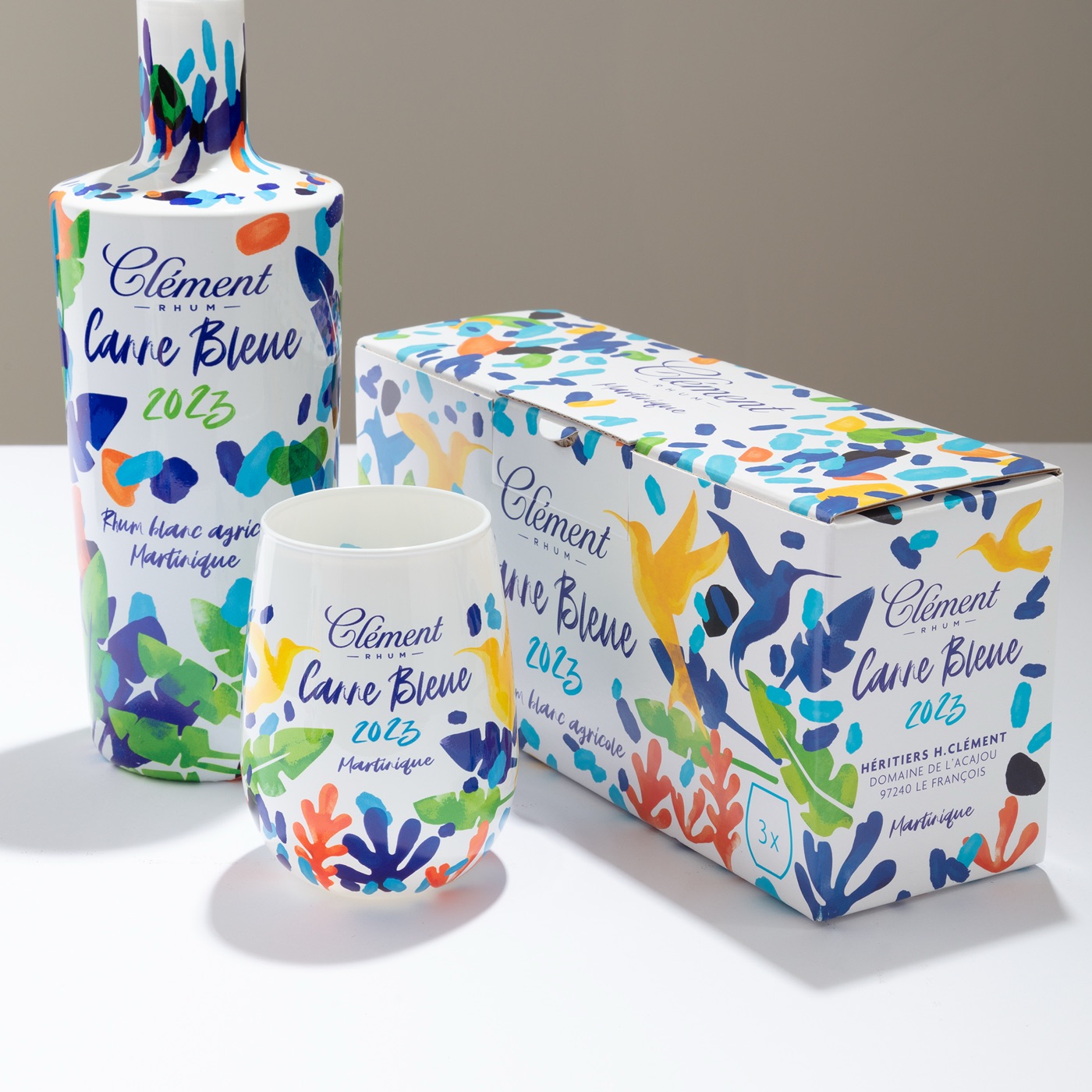
Walk any beverage aisle — spirits, wine, premium water, the fast-growing functional-drinks set — and the same pattern repeats. Hundreds of bottles line up, and most carry a single rectangular label pinned to the front panel. A handful are something else entirely: colour, imagery and typography wrapping the full glass surface, the bottle itself doing the work of the pack, the billboard and the shelf. Those are the ones a hand reaches for. The glass underneath is very often the same commodity moulding used by the bottle beside it, drawn from the same glassmaker catalogue. What separates the two is decoration — the surface layer that takes an ordinary container and makes it read as a designed object worth trading up for. This is the argument for treating the entire bottle as a brand surface, and a look at what it takes to produce that across the beverage categories where ATIU works.
The Entire Bottle Is a Brand Surface
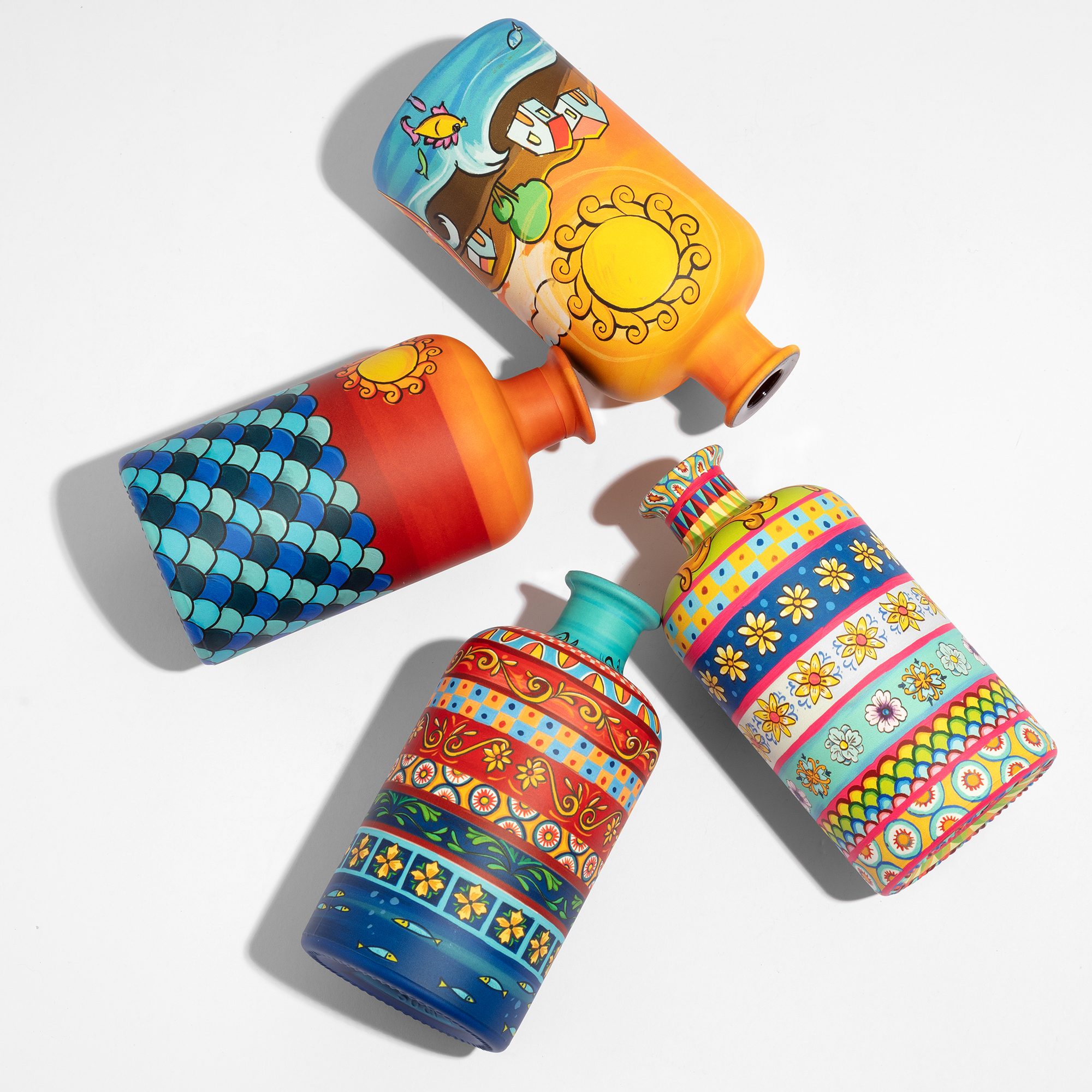
A conventional label occupies a fraction of the available glass, framing a single panel and leaving the rest of the bottle to speak only through its shape. Sublimation works differently: it covers all of it, wrapping 360 degrees of HD decoration at 1200 dpi permanently bonded to the surface through a single thermal transfer cured at low temperature. The bottle no longer needs a carton or a secondary label to carry the brand, because the glass has become the packaging, the billboard and the shelf presence in one object. For spirits, wine, premium water and the newer functional-drinks category alike, this quietly changes the commercial equation. Where the label limits a brand to a rectangle of front-of-pack real estate, full-canvas decoration hands designers the whole vessel — the shoulder, the base, the reverse — to compose a single continuous story. That is what makes a bottle photographic on the shelf and, increasingly, in the hands of the customer who photographs it.
Premiumisation of a Commodity
Glass itself is a commodity. The same moulds, the same flint and the same neck finishes are available to every brand in a category, which means the container alone rarely differentiates one product from another. Decoration is where the premiumisation happens — the point at which a shared glass format becomes a distinctive, ownable object. Consumers trade up willingly, paying more for products that look and feel crafted, and groups such as Pernod Ricard and LVMH invest in distinctive bottle decoration precisely because it drives price perception at the moment of choice. Sublimation delivers the visual language of luxury — HD imagery at 1200 dpi, fine typography, smooth colour gradients and multiple primer systems that range from Plymouth's clear finish to Bvlgari's metallic soft-touch matte — without plates, screens or the tooling that traditional decoration demands. The commodity underneath stays the same; the surface is what earns the higher price.
Premium Still and Sparkling Water
Premium water has become a lifestyle category rather than a refreshment, and its bottles now sit where they are most scrutinised: restaurant tables, hotel minibars, HoReCa service and the shelves of premium grocers such as Eataly. In these settings the bottle is expected to communicate quality before the cap is ever lifted, and glass is the natural material for that job — it conveys purity, weight and permanence, and it signals a commitment to taste neutrality and recyclability that other formats cannot claim. Leading glassmakers supply dedicated still and sparkling water moulds designed for exactly these hospitality and retail channels, but the mould is only the starting point. Sublimation completes the story on that glass, wrapping mountain landscapes, mineral textures or a heritage crest in full HD around the whole bottle, bonded to the primer layer with durability comparable to conventional coating methods. Because the process uses no printing plates, a water brand can commission a limited edition tied to a single restaurant, region or event, then switch to the next design with minimal setup — testing regional artwork and co-branded runs without committing to large inventories, and standing up to ice-bucket and condensation conditions on the table.
Functional Drinks and Emerging Categories
The functional-drinks set — adaptogenic tonics, botanical sodas, low- and no-alcohol aperitifs, mineral-enhanced waters — has grown into one of the most design-led corners of the beverage market, and it lives or dies on shelf differentiation because the products themselves are new and unfamiliar. These brands tend to launch fast, iterate often and lean heavily on visual identity to explain what a drink is and why it belongs at a premium price. Full-canvas glass decoration suits that rhythm well: a brand can carry a complete design system across a whole range of variants, giving each flavour or function its own colourway while keeping a coherent family look, all on the same commodity bottle format. Because sublimation is digital, a new variant or a seasonal edition reaches production in days once artwork is approved, letting an emerging brand respond to a trend or a collaboration while the window is still open. For a young category competing against established names, that combination of distinctiveness and speed is exactly what turns a generic bottle into a recognisable brand asset.
Speed From Brief to Shelf
Beverage culture moves quickly, and much of the opportunity in it is time-bound: a cocktail trend, a festival collaboration, a seasonal release or a restaurant tie-in each opens a narrow window. Traditional decoration methods work best for long, stable, high-volume runs where the cost of producing plates and screens is spread across hundreds of thousands of identical bottles. Sublimation works best where change is the point — where the design is still evolving, the run is shorter, or several editions need to coexist — because the artwork is simply a file and reaches production in days rather than the weeks tooling requires. ATIU has delivered limited-edition spirits and premium-water runs from brief to finished bottle within the same quarter, decorating at up to 4,000 bottles per hour with a total capacity of 30 million pieces a year per plant when volume is needed. Knowing when each approach fits is part of the conversation ATIU has with every brand, and for fast-moving beverage work the digital route is built for that pace.
Lighter Packaging, Verifiable Sustainability
When the bottle is the packaging, much of what surrounds it becomes optional — the carton, the outer label and the secondary packaging that traditionally carried the brand can be reduced or removed, shrinking shipping volumes and eliminating waste at the point of sale. A fully decorated bottle can also use lighter glass, because the design carries the premium perception that would otherwise call for thick, heavy walls, which means less material per unit, lower energy at the furnace and lower freight cost. That carbon logic runs through the supplier as well as the bottle: ATIU has measured its carbon footprint across Scope 1, 2 and 3 since 2023 (Up2You), so the lighter pack ships from a supply chain whose own footprint is measured and documented.
The environmental story holds up under scrutiny, which matters because retailers, distributors and hospitality buyers increasingly audit sustainability claims rather than accept them. ATIU's sublimation adds no plastic and uses waterborne coatings and inks with no solvents and heavy metals below the PPWR limit, low-temperature curing, so the decoration is a minimal surface layer: no plastic, no adhesive, no added component — the glass stays glass. For procurement teams working through standardised frameworks, ATIU's EcoVadis Committed status and ISO 9001 certification answer the audit in the language it is written in, and the sublimation methodology itself won a Pentawards Gold 2025 in the Sustainability category — external, competitive verification that the story stands up from outside the company. From two plants in Verona, ATIU decorates bottles supplied by Europe's leading glassmakers across spirits, wine, premium water and beyond.
Explore full-body sublimation or get in touch.