Ambition is the easy part.
Most creative packaging ideas don’t fail in the design studio. They fail in production. Here’s what closes the gap.
The luxury industry does not have a creativity problem. It has an industrialisation problem.
The ideas are there. Designers produce concepts of real ambition — full-body decoration that treats glass and cap as a single uninterrupted canvas, limited edition runs that carry the full weight of a creative collaboration, flacons whose geometry has never been decorated before. The problem is what happens between that idea and the finished object on the shelf.
Something gets lost. Not for lack of intention — but because every additional step between concept and execution disperses a little more of what made the idea worth pursuing. The printer who needs a simplified geometry. The timeline that rules out a second round of sampling. The supplier who can do the technique, but only at a volume that makes a limited edition impossible.
The gap between creative ambition and production reality is the defining challenge of luxury packaging. And the partner you choose determines how much of the original idea survives it.
Ideas are easy. Making them real is not.
Creativity in packaging is not the scarce resource. What is scarce is the ability to take an ambitious concept and industrialise it — to move it from a render to a physical object without the compromises accumulating.
Most decoration suppliers operate around a catalogue. The geometry has to fit the standard chuck. The colour count has to stay within the screen limit. The production minimum has to justify the setup. These are not unreasonable constraints — but they define a ceiling, and the most interesting briefs consistently exceed it.
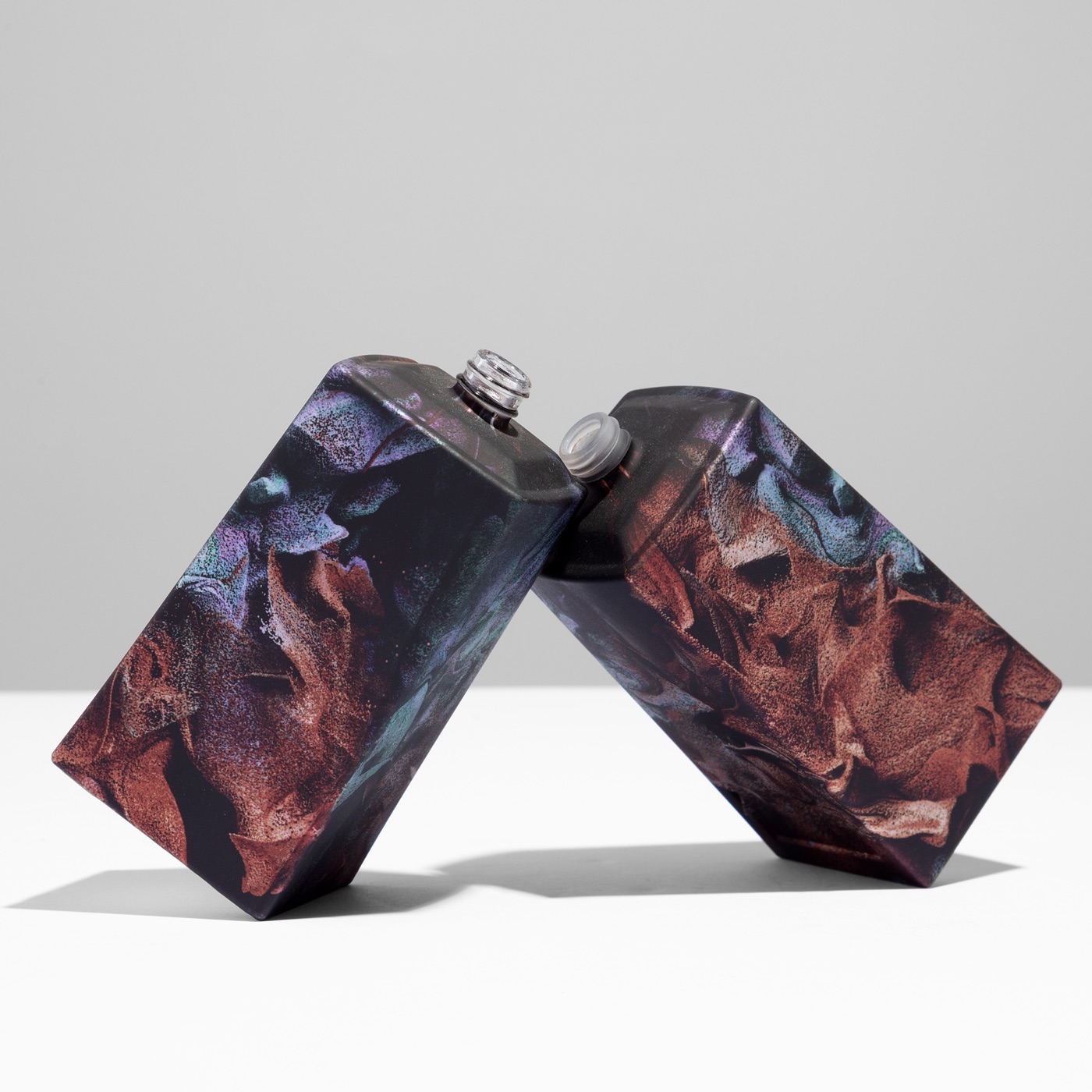
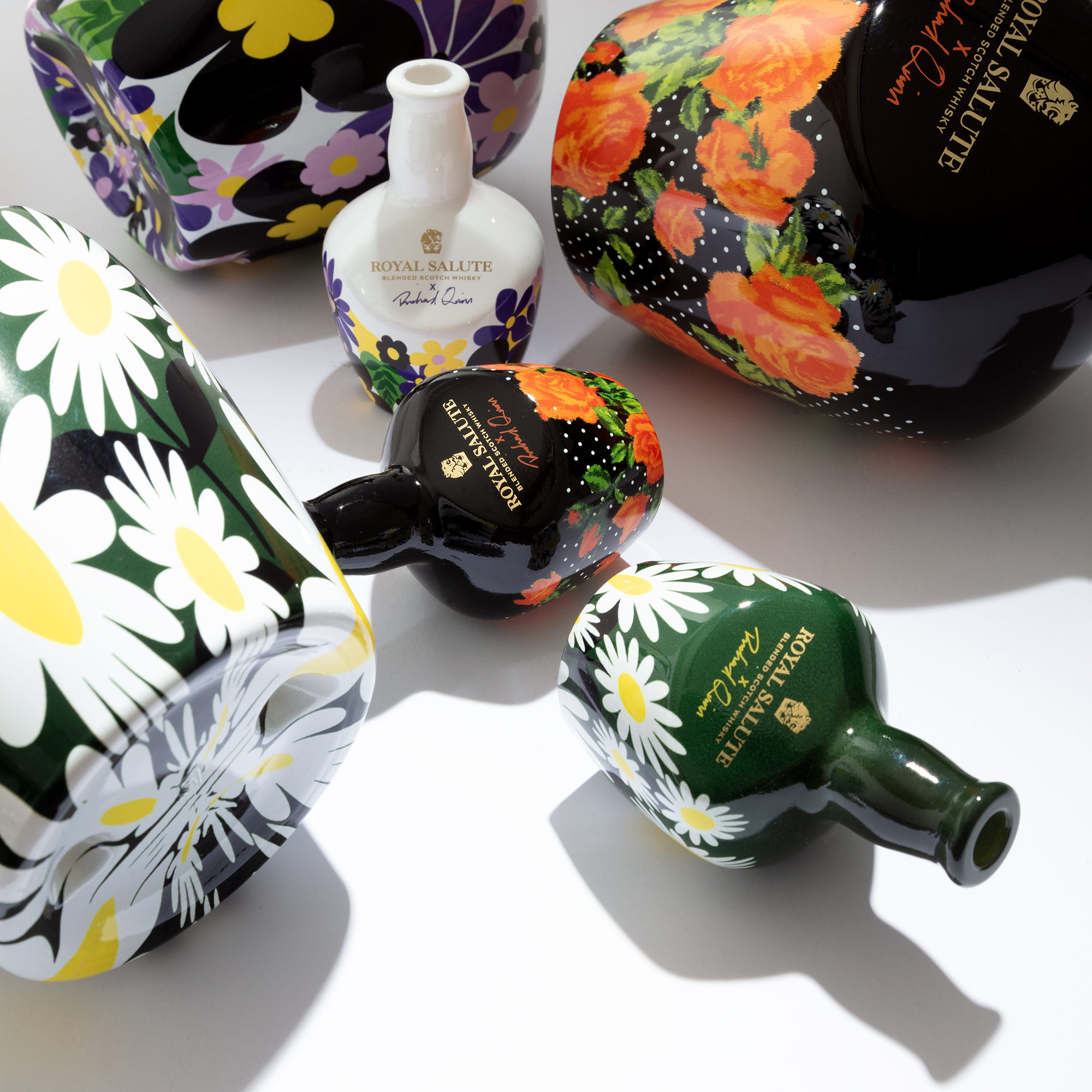
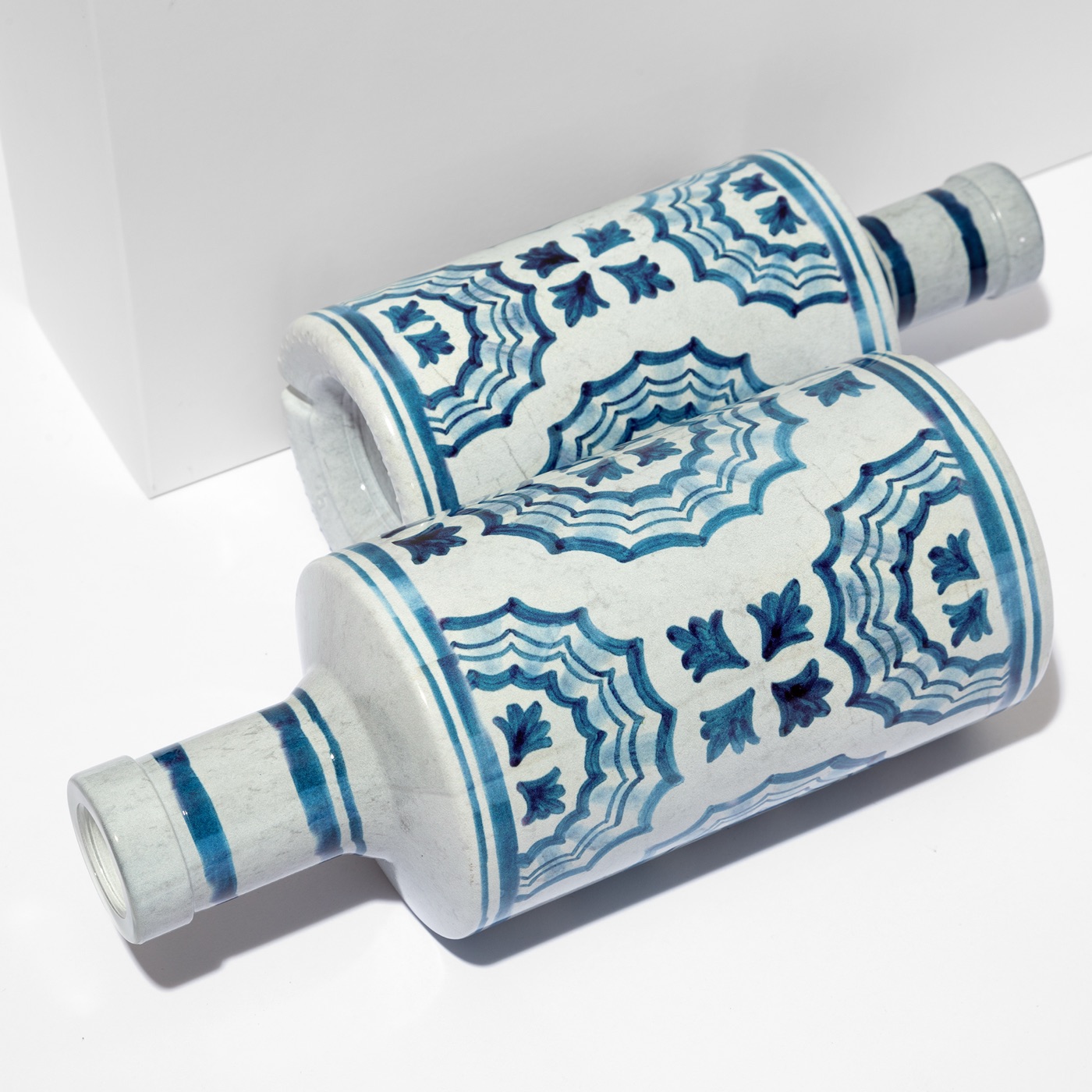
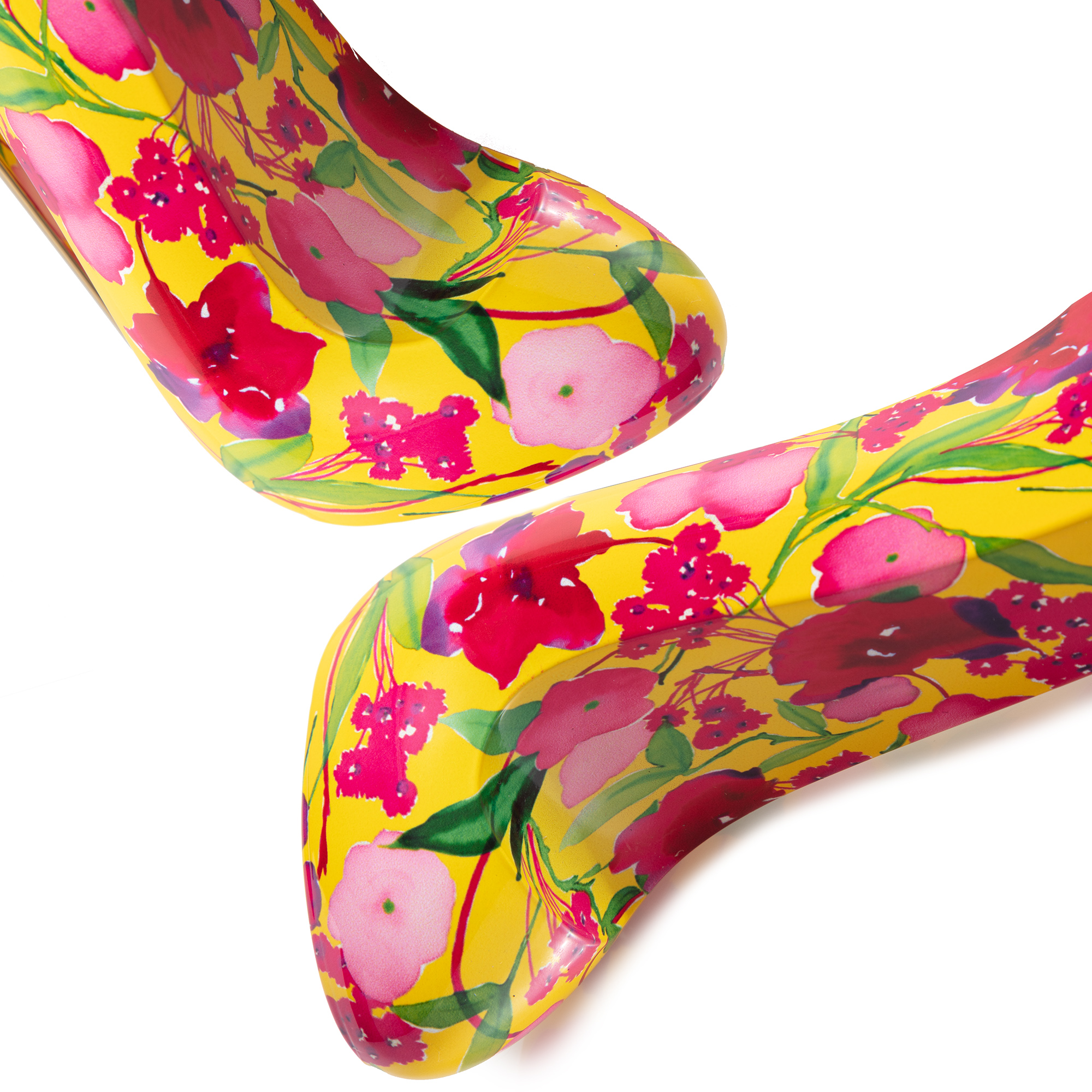
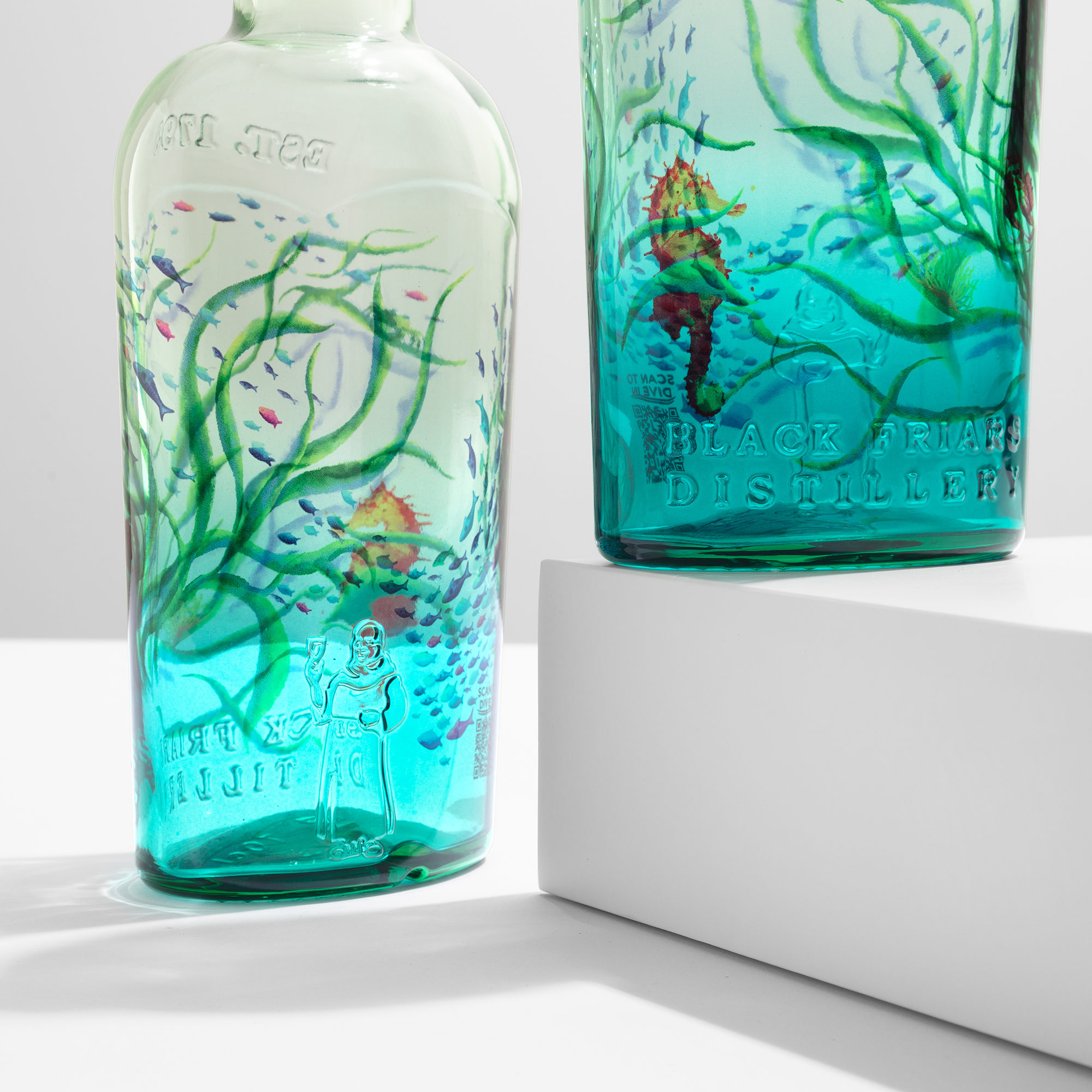
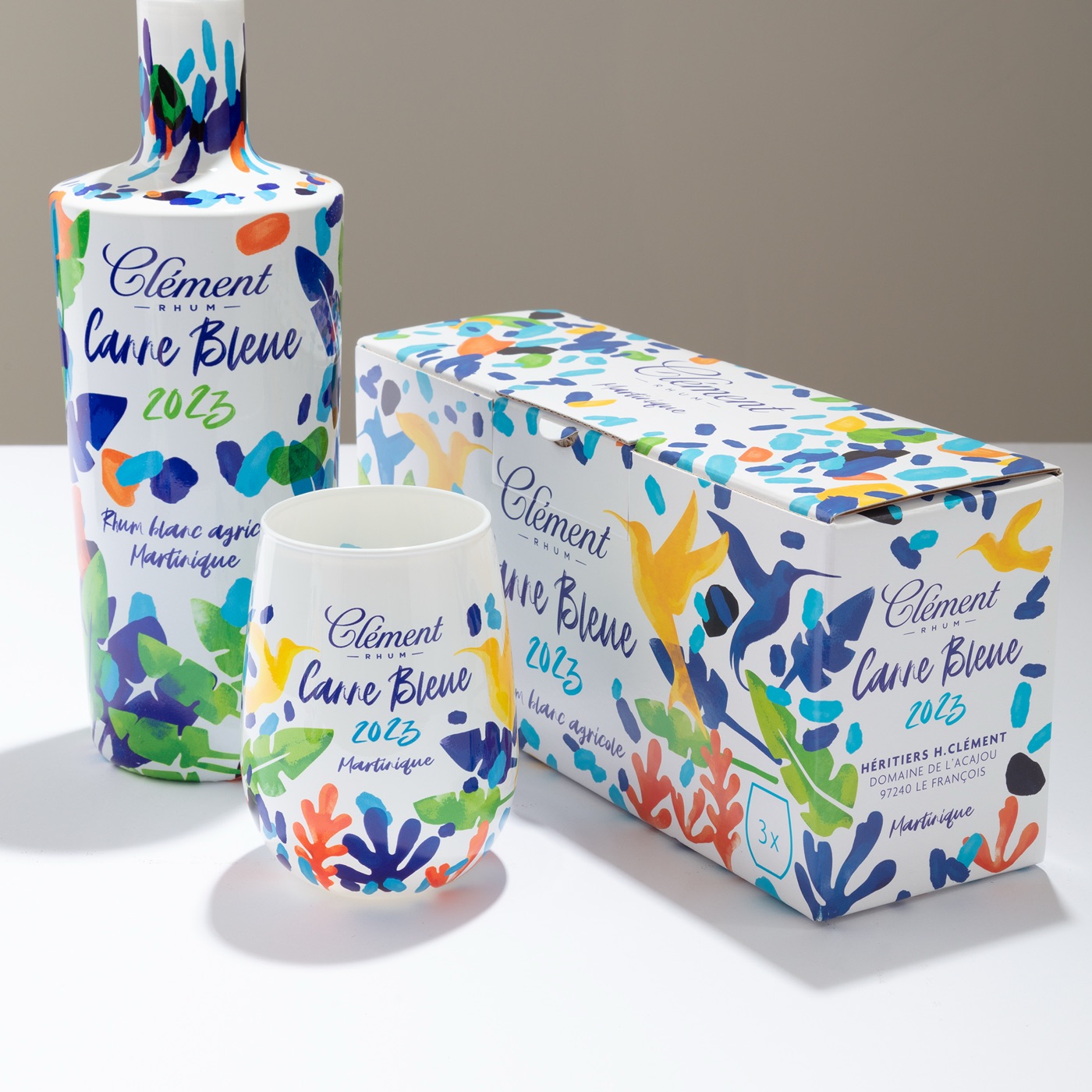
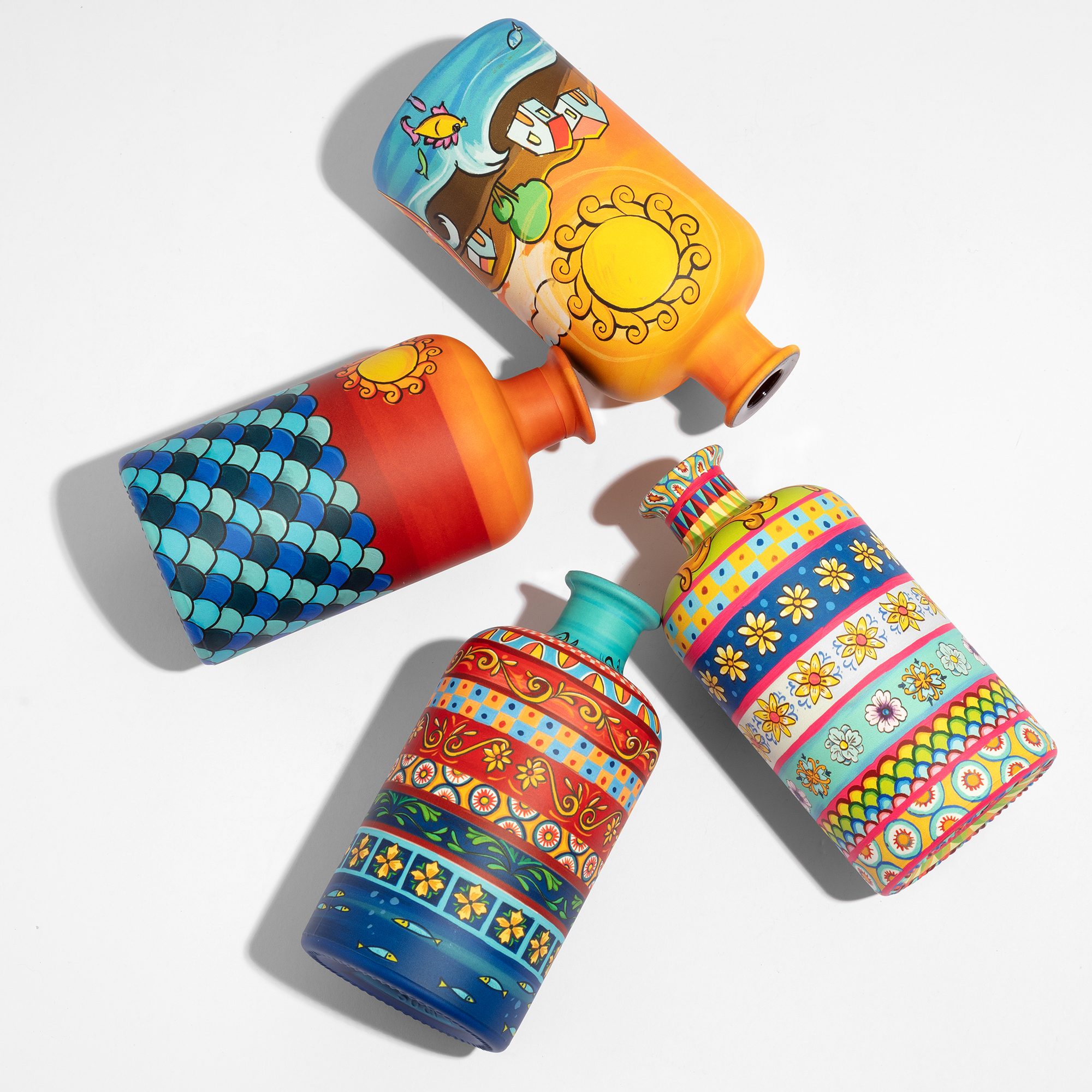
Digital sublimation removes most of those ceilings at once. No screens. No clichés. No colour count. What is designed is what prints — at 1,200 dpi, full-body, on any geometry the bottle can hold. The technique does not ask the brief to simplify itself. It meets the brief where it is.
But technology is only part of the answer. The other part is a team that genuinely wants to solve the problem — not route it to a standard solution.
Speed is a creative asset.
Slow development kills ideas not by rejecting them, but by exhausting the people who believed in them. By the time the second sample round is complete, the energy that drove the original concept has moved on to the next project.
This is one reason speed from brief to sample matters beyond the obvious operational benefit. A physical sample in five working days means the creative conversation stays alive. The team can react to what they hold in their hands, push further, change direction. The iteration cycle stays short enough to be productive.
Faster development does not mean lower quality. It means more room for creativity within the same timeline. The brand gets more attempts at the right answer, not fewer. That is a significant competitive advantage when a limited edition has a launch window or a collaboration has a fixed date.
At ATIU, prototyping runs on the same equipment as production. What is approved in the sample is exactly what ships at scale — whether that is 5,000 units or 500,000.
Technology as a creative tool.
The industry tends to describe decoration techniques in production terms — speed, cost, minimum order. This framing misses something important.
Decoration technology is also a creative vocabulary. Digital sublimation enables gradients that shift across the full height of the bottle. Metallic effects without heavy metals. Full-body decoration on geometries that have historically been left plain because they were too complex to handle. Artwork that wraps seamlessly from base to neck, leaving no visible join.
Each of these is a creative possibility, not just a production specification. The brands that understand this work differently with their decoration partners — they bring the technique into the brief rather than treating it as a downstream execution decision.
The Bvlgari × Refik Anadol project is the clearest example. The brief treated glass and zamac as a single canvas. That was only possible because digital sublimation could carry a continuous HD artwork across two materials, in one seamless pass. The technology did not constrain the brief. It made the brief possible.
One partner. Less friction.
Every handoff between studios, suppliers and decorators costs something. The creative intent that was clear at briefing stage becomes slightly less clear each time it passes through another set of hands. The geometry that was approved in one context gets re-interpreted in another. The colour that was matched on screen gets approximated in production.
The brands that suffer least from this are the ones who work with a partner who handles development, sampling and decoration without outsourcing the critical steps. Not because vertical integration is a virtue in itself — but because it reduces the number of moments where something can go slightly wrong.
At ATIU, development, prototyping and production are the same team. The person who advises on primer choice during the brief is the same person whose line produces the finished bottle. That continuity has a direct effect on quality — and on how much of the original concept actually survives to the shelf.
For luxury packaging and co-creation projects, this matters more than for standard production. Co-creation requires a partner who engages from the start, not one who receives a completed brief and executes against it.
Scale is not the opposite of craft.
There is a persistent assumption in luxury packaging that craft and scale are in tension — that what can be done beautifully on a small run cannot be maintained at production volume. This assumption is incorrect, but it is easy to acquire from bad production experiences.
ISO 9001 certification, structured colour management, documented deviation protocols and production equipment that runs consistently across batches are not bureaucratic overhead. They are the infrastructure that makes creative ambition scalable. The limited edition that succeeds and the full-range production that follows it require the same underlying discipline.
ATIU has produced runs from 5,000 units to 30 million per year, per plant. Across spirits, perfumery and premium food, the standard does not change with the volume. What is approved in sampling is what is delivered at scale. That predictability is, in its own way, a creative asset — because it means the brand can commit to an ambitious concept without worrying whether production will honour it.
Closing the gap.
The brands that consistently produce the most ambitious packaging are not necessarily the ones with the boldest ideas. They are the ones who have found a creative packaging partner capable of making those ideas real — at sample stage, at production scale, and every point in between.
The gap between concept and finished bottle is not inevitable. It is a function of where the friction is, and who is on the other side of the brief. The right glass decoration partner does not reduce your ambition to what is convenient to produce. It expands what is possible to include what you actually imagined.
That is the only kind of partnership worth having.