PPWR is changing packaging. Decoration has a bigger role than ever.
Somewhere in Europe right now, a packaging team is looking at a beautiful concept and asking a question that wasn't in the room five years ago: will this still be compliant in 2030? The EU's Packaging and Packaging Waste Regulation — PPWR — is usually discussed in terms of recyclability and waste reduction. But for premium brands, its real effect goes further. It challenges us to rethink the role of packaging itself. And in that rethink, decoration stops being a finishing touch and becomes strategic.
PPWR at a glance
- What it is — the Packaging and Packaging Waste Regulation (Regulation (EU) 2025/40), the EU's new framework for all packaging placed on its market.
- In force — since February 2025; first obligations apply from August 2026.
- Recyclability — packaging must be designed for recycling by 2030, with thresholds tightening over the following decade.
- Substances — restrictions on substances of concern, including heavy metals.
- Minimization & reuse — packaging weight and volume must be reduced to what the product needs; reuse obligations grow by category.
What PPWR actually asks of premium packaging
PPWR entered into force in February 2025, and its first obligations start applying from August 2026. The direction is clear even where the technical details are still being defined: packaging placed on the EU market must be designed for recycling by 2030, with thresholds tightening over the following decade; substances of concern — including heavy metals — face restrictions; packaging weight and volume must come down to what the product actually needs; and reuse moves from a nice idea to a regulated expectation for a growing set of categories.
For the luxury industry, this lands on sensitive ground. As Formes de Luxe reports in its analysis of the regulation, the sector's concern is that minimization, pushed to extremes, could nudge bottles and flacons toward standardized shapes — flattening exactly the differentiation premium brands are built on. The fear is understandable. But it reads the regulation as a constraint on beauty. There is another reading: PPWR is a constraint on material, not on meaning — and decoration is how a brand puts meaning onto material.
Reuse changes what a bottle is for
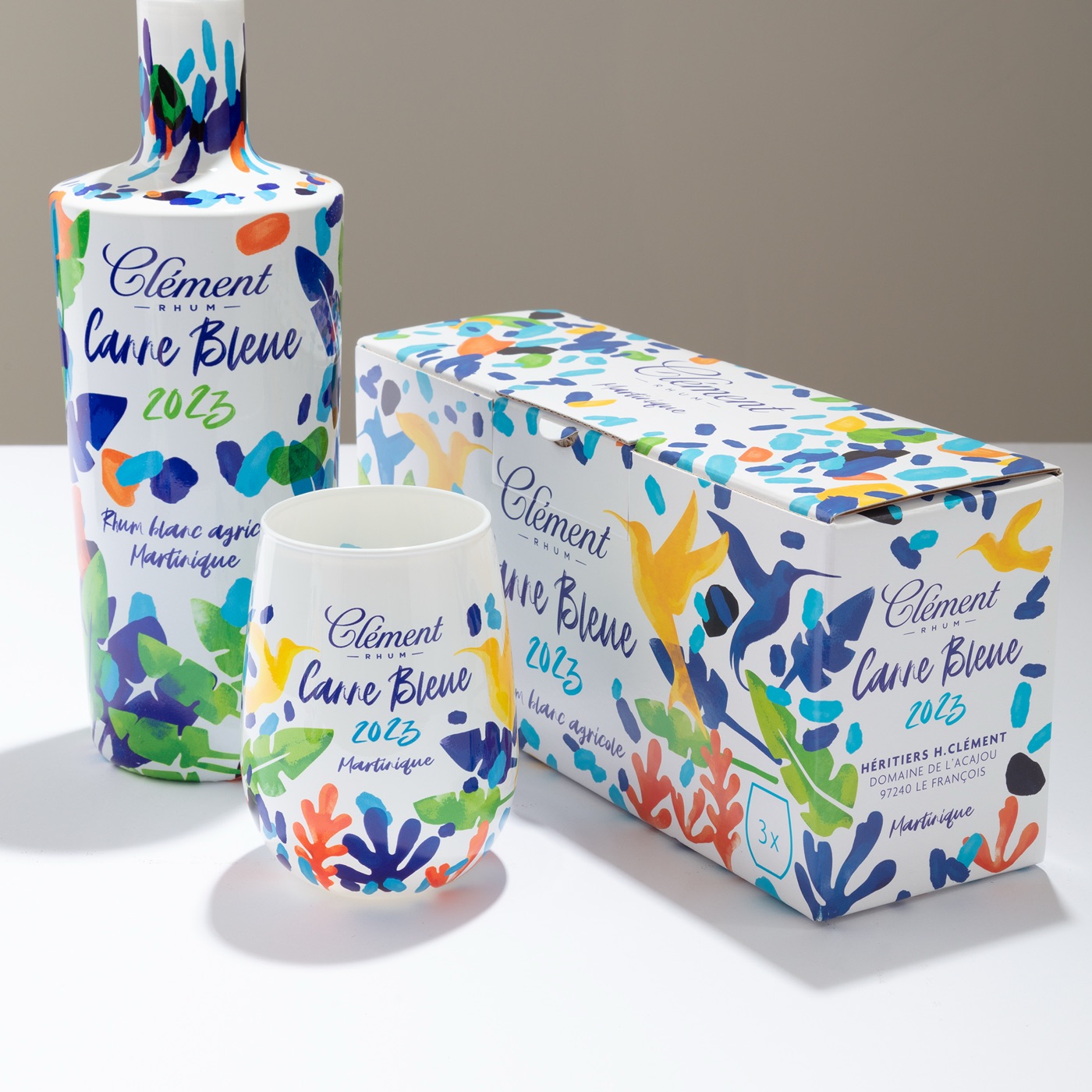
If packaging is designed to be reused, it needs to deserve a second life. A perfume bottle or a spirits bottle should not become waste the moment it's empty — it should become an object people want to keep. That is a design brief, not a compliance clause, and it is where decoration becomes strategic: no longer just about making a product look beautiful on the shelf, but about transforming packaging into an object with lasting value, extending its life well beyond the product inside.
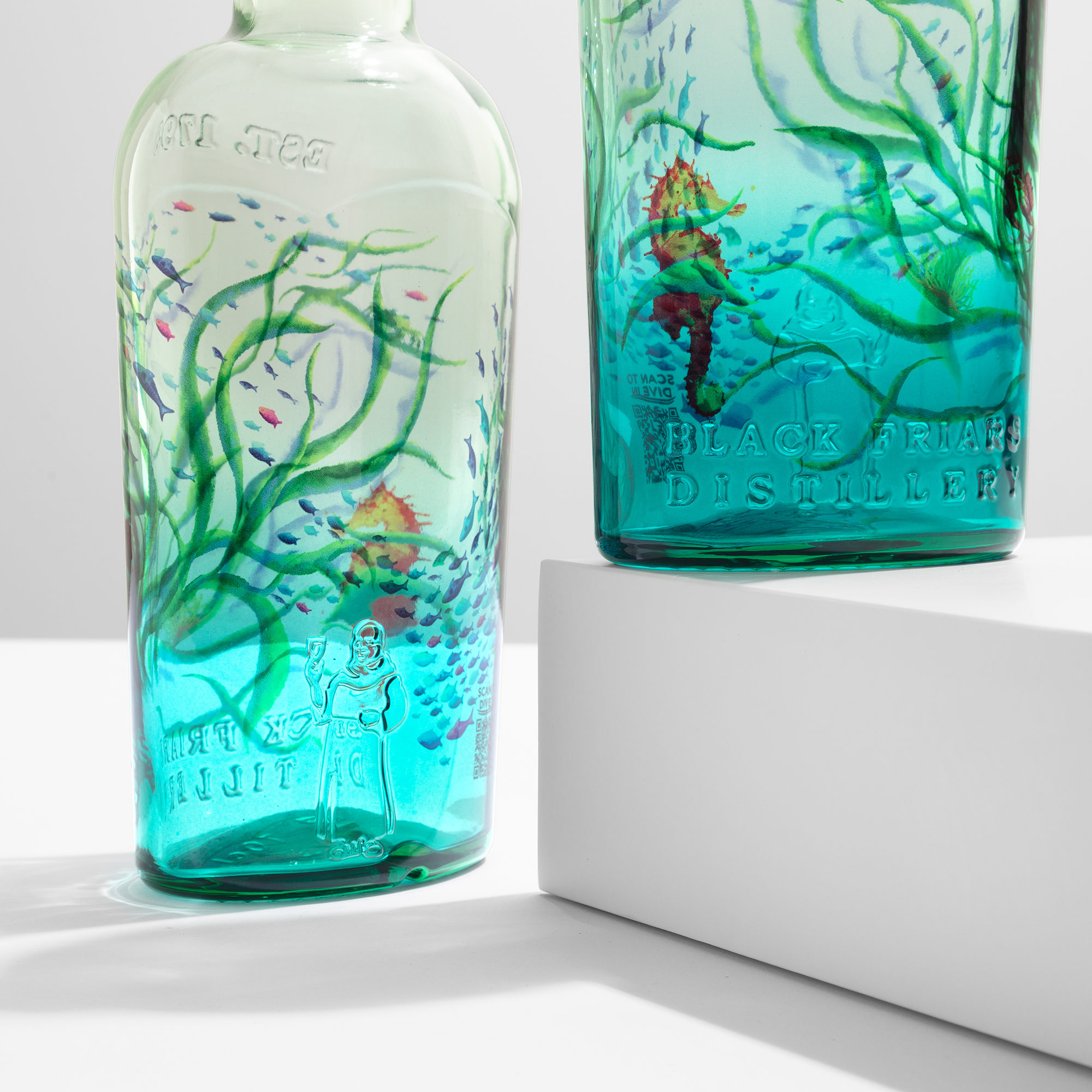
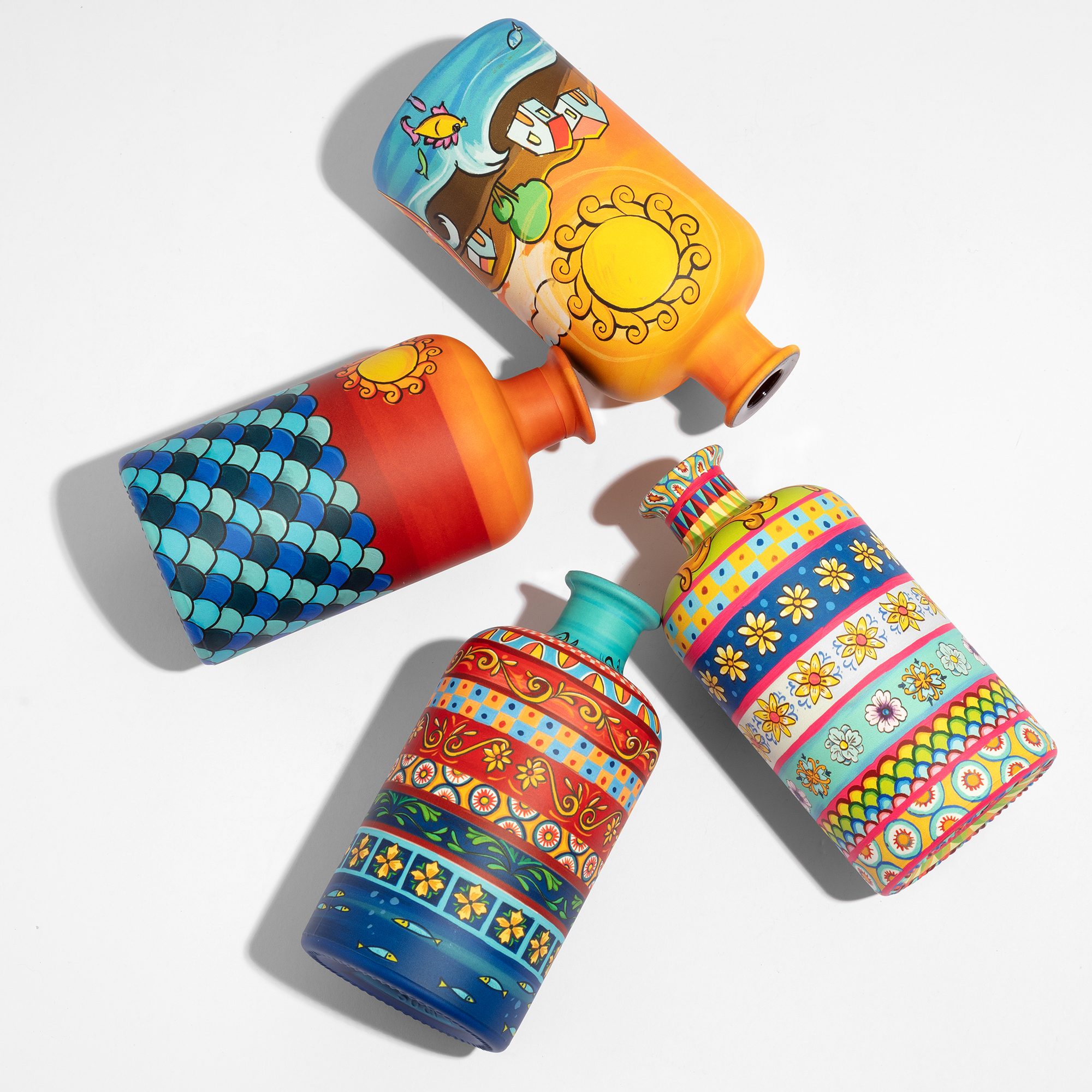
There is also a technical side. In refill and returnable schemes, decoration is often the weak point: whatever is applied to the glass has to survive washing, or the bottle's second life ends at its first return. Sublimated decoration is fused into the coating, with longer-lasting resistance than an applied label — so the decorated bottle stays washable and reusable, and the same object can carry the brand through multiple cycles before it is ever recycled. Plymouth Gin's ocean conservation editions show what it looks like when the bottle itself becomes the object worth keeping — the decoration is the campaign.
Lightweight glass, not less luxurious
One of PPWR's key objectives is reducing the amount of packaging material placed on the market. For years, premium packaging often meant heavier bottles. Tomorrow, it will mean smarter ones. The challenge is maintaining a luxury perception while reducing weight — and that is exactly where decoration makes the difference.
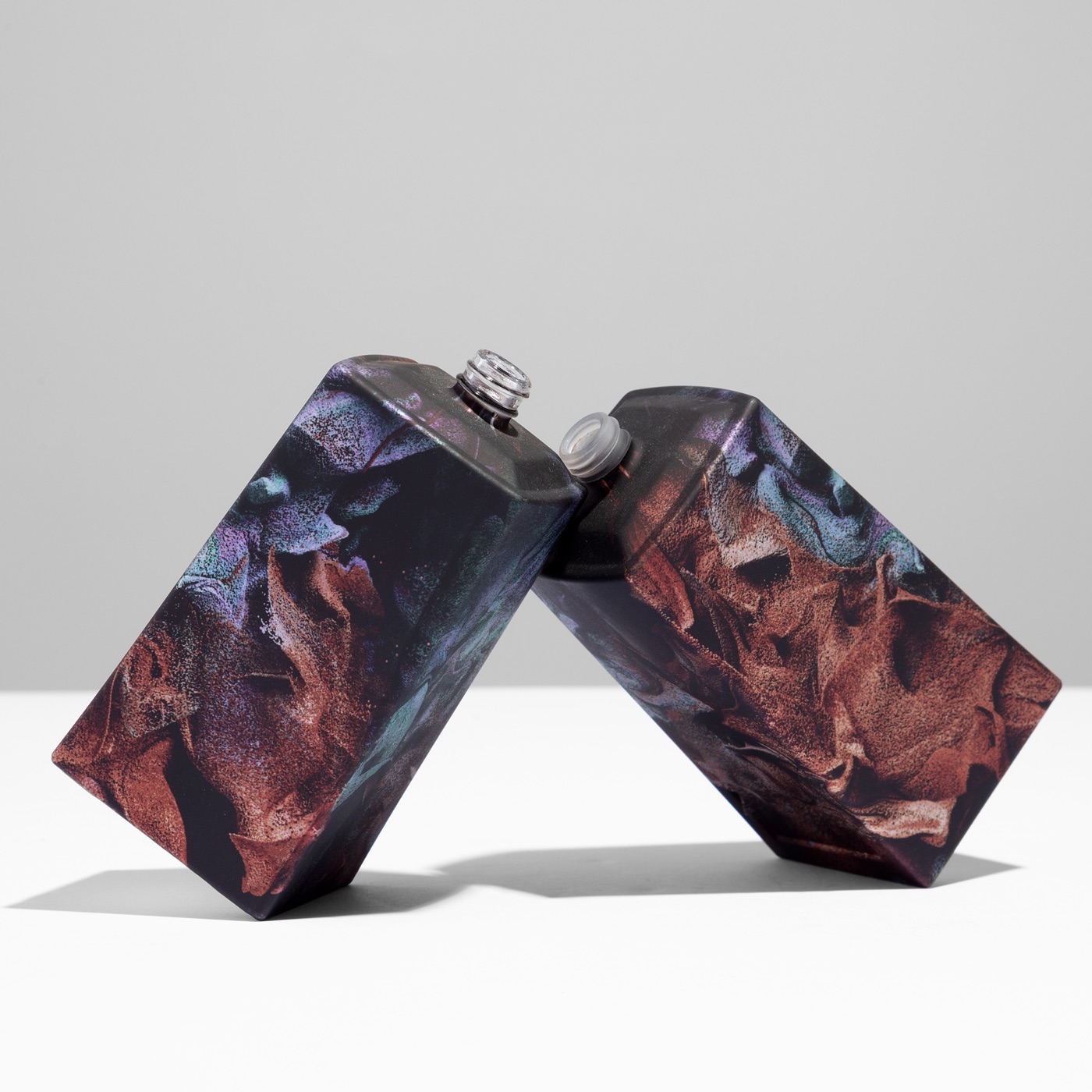
Advanced decoration lets lightweight glass deliver the same emotional impact as much heavier packaging. Surface finishes, tactile effects and photographic, 360° artwork create value without adding material or compromising recyclability. Because sublimation is a continuous, high-definition layer rather than a heavy material build-up, it is the ideal way to ennoble lighter, thinner glass and still deliver a genuinely premium result. The future of premium packaging isn't about using more material. It's about creating more perceived value with less material — which is precisely the direction PPWR is pushing the industry.
Compliance built into the chemistry
The first PPWR deadline is not 2030 — it is the restriction of substances of concern, where decoration chemistry comes under direct scrutiny. Here the cleanest answer is the one designed in from the start: at ATIU, both the primer coating and the inks are waterborne, with no solvents, and the inks are formulated without lead, cadmium or other heavy metals. Curing never exceeds 180 °C. And because sublimation on glass adds only a minimal surface layer — no plastic added to the bottle — it does not compromise the recyclability of the glass underneath. The decorated bottle remains a recyclable glass bottle.
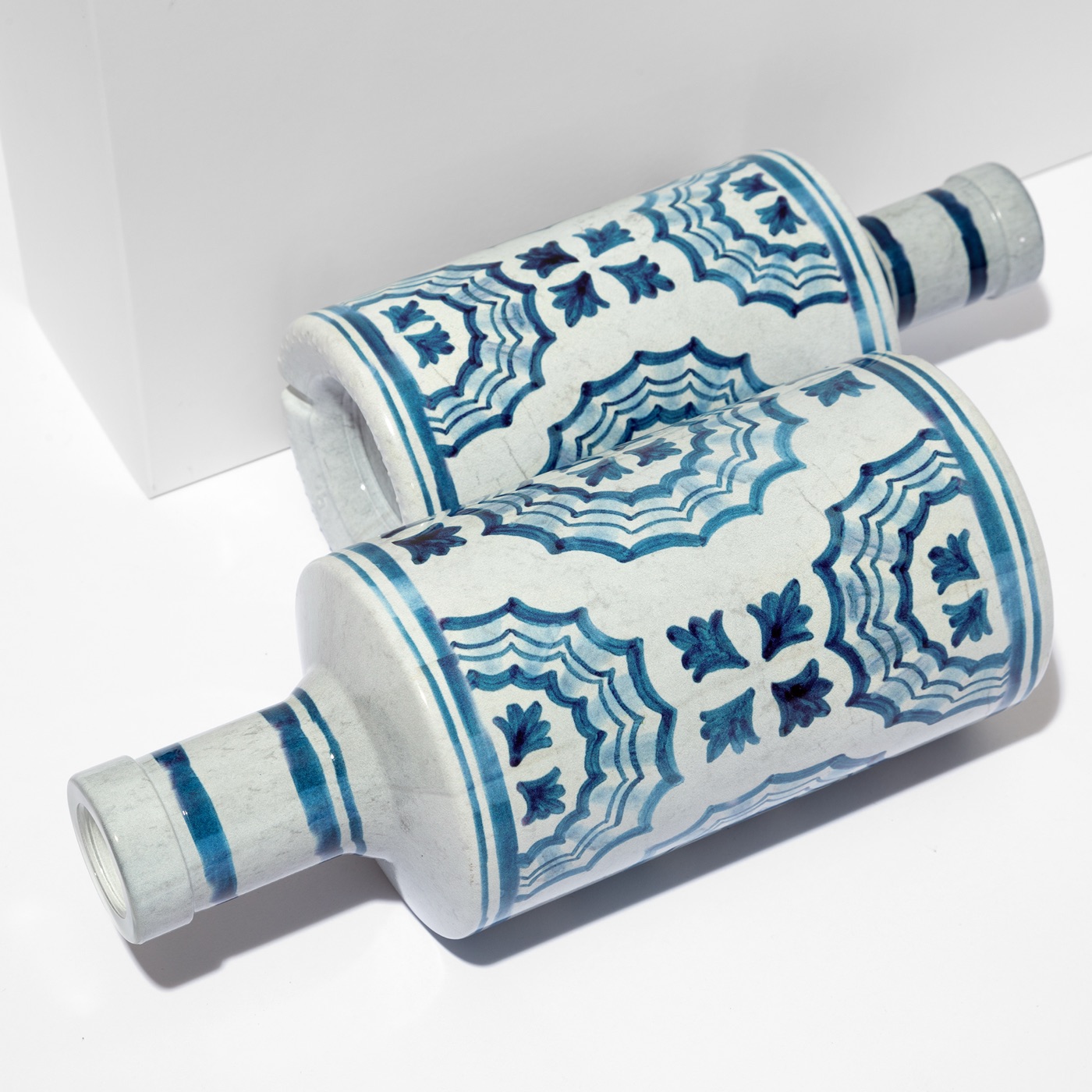
That material logic opens creative doors too. Brands that love the visual richness of ceramic can now achieve ceramic-like finishes directly on glass — the aesthetic warmth of majolica or stoneware, carried by a substrate that recycles endlessly. Centonze Ice Blue, winner of a Pentawards Gold 2025 in the Sustainability category, is that idea on the market: a hand-painted-ceramic language, reproduced through sublimation across the full body of a recyclable glass bottle.
Why this is ATIU's home ground
ATIU was built around the idea that beauty and responsibility are the same project, not a trade-off. The technologies reflect it: direct decoration on glass, heavy-metal-free coating systems, decoration that preserves the recyclability of glass, and ceramic-like aesthetics on a fully recyclable substrate. Behind them sits the proof a compliance review actually asks for — zero-net carbon since 2023 certified across Scope 1, 2 and 3, EcoVadis Committed status, ISO 9001, and third-party product testing through Intertek and Stazione Sperimentale del Vetro. When procurement runs its PPWR audit, the documentation pack already exists.
And because the platform is agile — from brief to decorated sample in five working days, from sample to millions of pieces — brands can explore PPWR-ready designs without slowing their creative calendar. Lighter bottle, richer surface, cleaner chemistry: tested as a real object in hand, not a render.
The window is now
PPWR's first obligations apply from August 2026, and the design-for-recycling requirements land in 2030. That sounds distant until you count backwards: a bottle launching in 2029 is being briefed now. The brands treating PPWR as a design opportunity — rather than a legal deadline — are using this window to rethink weight, reuse and surface together, while their category still looks the same as it did last year. Luxury and sustainability are no longer competing priorities. The brands that will stand out are those designing packaging people choose to keep.
Rethinking a bottle for the PPWR era? See what to ask a decoration partner, or start with a sample.